


Is Metal Notching Better Than Punching for Complex Cuts?
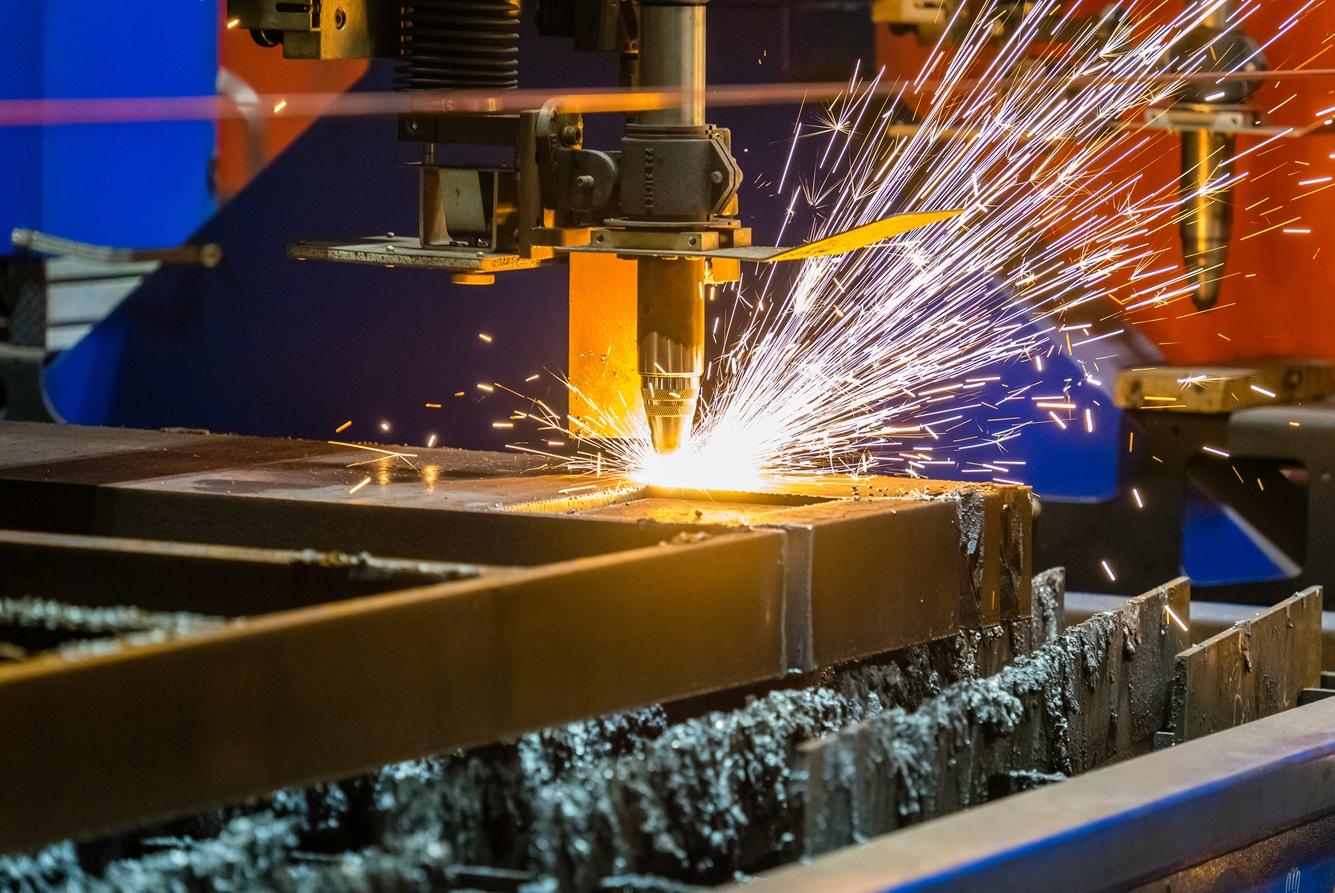
A Guide to Metal Punching and Notching in Albuquerque
Choosing the right metal-cutting method can make or break a complex project. When tolerances are tight and the design includes intricate corners or cutouts, the process you select directly affects quality, cost, and turnaround time. Two methods often come up here: metal punching and metal notching. Both shape raw metal with precision, yet each excels in different situations.
For businesses that rely on metal punching or notching in Albuquerque, understanding the strengths and limitations of each process is essential. This guide explains how both methods work, compares them side by side, and helps you decide which is best for your next job.
What Is Metal Punching?
Metal punching is a process that uses a punch and die to force a shaped tool through a sheet or plate, creating holes, slots, or specific cutouts. The punch acts like a high-powered press, removing material cleanly in a single stroke.
How Metal Punching Works
A punch press drives a hardened tool downward into the metal while a matching die supports the underside, shearing away a slug of material to leave a precise opening. Modern CNC punch presses repeat this action hundreds of times per minute, producing identical holes across large batches.
Advantages of Metal Punching
Punching is fast, repeatable, and cost-effective for high-volume work. It delivers consistent results across a wide range of hole patterns and works well on steel, stainless steel, aluminum, copper, and brass. Because tooling swaps quickly, it also adapts to varied designs without major downtime.
Limitations of Metal Punching
Punching suits interior cuts rather than edge work. Very thick plates can strain tooling, and highly irregular shapes may require multiple hits, leaving witness marks. For one-off custom shapes, tooling cost can outweigh the speed benefit.
What Is Metal Notching?
Metal notching removes material from the edge or corner of a workpiece, creating a recess or cutout that allows the metal to be folded, joined, or fitted into another component. Notching is the go-to method when parts need clean corners or interlocking edges.
How Metal Notching Works
A notching machine uses two blades set at a fixed or adjustable angle to shear a section from the sheet's edge—often at a right angle or in a V-shape. This prepares the material for bending, welding, or assembly without distorting the surrounding surface.
Advantages of Metal Notching
Notching produces clean, burr-free corners that simplify downstream bending and assembly. It excels at edge work, irregular profiles, and prepping parts for boxes, frames, and enclosures, giving designers more freedom with complex outlines than punching alone.
Limitations of Metal Notching
Notching is slower than high-speed punching for repetitive interior holes, and because it focuses on edges, it is not the right tool for dense hole patterns across the middle of a sheet. Larger notches may also require careful setup to maintain accuracy.
Metal Notching vs. Metal Punching: Key Differences at a Glance
|
Feature |
Metal Punching |
Metal Notching |
|
Primary use |
Interior holes, slots, cutouts |
Edge and corner removal |
|
Best for |
High-volume, repetitive patterns |
Complex outlines, corner prep |
|
Speed |
Very fast for repeat work |
Moderate, precise per cut |
|
Edge quality |
Clean interior openings |
Clean, burr-free corners |
|
Ideal materials |
Sheet and lighter plate |
Sheet metal and edge profiles |
|
Tooling |
Punch and die sets |
Angled or adjustable blades |
|
Strength in complex cuts |
Repeatable hole arrays |
Irregular shapes and joints |
When Metal Punching Is the Preferred Option
Punching shines when a project calls for many identical holes, slots, or perforations. It is ideal for ventilation panels, mounting plates, and electrical enclosures—any part that needs a uniform pattern across a long run. When speed and repeatability matter most, punching delivers.
When Metal Notching Is the Preferred Option
Notching is preferred when parts must fold into boxes, frames, or channels, or when corners need to be cleanly removed before welding. It is the better choice for enclosures, brackets, and structural pieces where edge precision determines whether components fit together.
Which Process Is Better for Your Project?
Complex cutouts: Notching handles intricate outlines and edge profiles more gracefully; punching is unmatched for repeating interior shapes.
Corner removal: Notching wins—removing corners cleanly for bending or joining is exactly what it was built for.
Irregular shapes: Notching offers more flexibility along edges, though CNC punching can approximate shapes with tight hole spacing.
Structural metal components: Notching prepares beams, angles, and channels for assembly with clean joints.
High-volume production: Punching is the clear leader for speed and consistency across large batches.
Precision detail projects: Both deliver precision metal cutting; the choice depends on whether the detail is interior (punching) or along the edge (notching).
Real-World Industry Examples
In construction, notching prepares steel angles and channels so the supporting and secondary steel elements lock together. In manufacturing, punching produces uniform hole patterns at scale. In HVAC, notching shapes ductwork corners for tight, leak-resistant seams. In the automotive sector, both processes create brackets, panels, and mounts. In industrial operations, custom metal components often combine punched holes and notched edges in a single part.
Albuquerque businesses frequently need this kind of versatile, precision metal processing. As demand for custom metal cutting in Albuquerque grows, a local supplier offering both metal punching and steel notching services keeps projects moving without shipping delays.
How to Choose the Right Metal Cutting Method for Your Project
Start by identifying where the cuts occur. If your design needs interior holes, slots, or repeated patterns, punching is usually the right call. If you need corners removed, edges shaped, or parts prepped for folding and welding, notching is the better fit.
Next, consider volume, thickness, and tolerance. High-volume runs favor punching, while detailed edge work favors notching. Many projects use both, along with complementary metalworking services such as shearing, sawing, bending, and drilling.
When you partner with experts in metalworking services in Albuquerque, you can combine these methods into one streamlined order. New Mexico Metals supplies prime raw metal cut to size and applies the right process for your design—reducing guesswork and waste.
Final Thoughts
So, is metal notching better than punching for complex cuts? Each method has its place. Notching is the stronger choice for corner removal, edge shaping, irregular outlines, and structural components that must fit together. Punching wins for repetitive interior holes, slots, and high-volume runs where speed and consistency lead. For precision projects, the smartest approach often blends both.
Ready to Start Your Project? Contact New Mexico Metals Today
New Mexico Metals is Albuquerque's trusted source for expert metal punching, metal notching, and custom metal processing services. Our wide inventory of steel, stainless steel, aluminum, copper, brass, bronze, and exotic alloys—in sheet, plate, tube, bar, angle, channel, and more—is cut to size with no minimum purchase required. We serve both wholesale and retail customers, backing every order with shearing, sawing, bending, drilling, and a commitment to outstanding customer service. Contact New Mexico Metals today and let our specialists deliver the precision your next project demands.

 English
 Arabic
 Français
 Español
 Português
 Deutsch
 Türkçe
 Italiano
 Russian
 Romaian