


What Is a Fire Protection System and Why Is It Essential for Every Building?
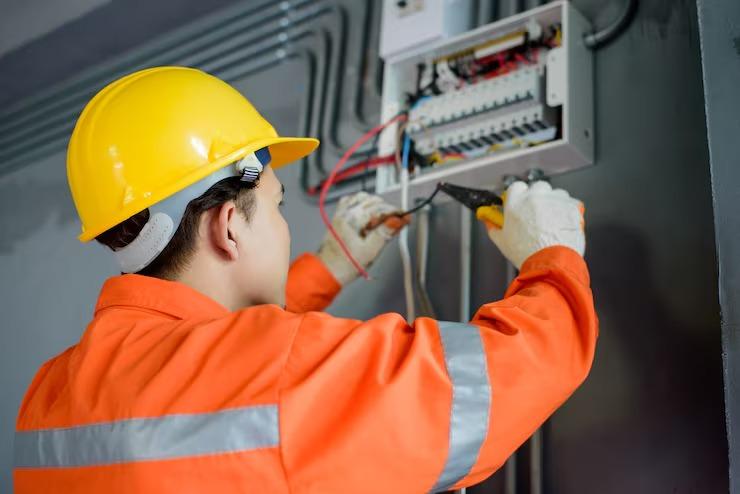
Fire safety is one of the most important aspects of protecting people, property, and business operations. Whether it is a residential apartment, commercial office, industrial plant, warehouse, hospital, or educational institution, every building faces the risk of fire. A well-designed Fire Protection System helps reduce this risk by detecting, controlling, and suppressing fires before they cause significant damage.
At Aura Safety, we understand that fire protection is more than just meeting legal requirements. It is about creating a safer environment where people can live and work with confidence. Our fire protection solutions are designed according to industry standards and customized to meet the unique needs of every client.
What Is a Fire Protection System?
A Fire Protection System is a combination of equipment, technologies, and safety procedures designed to detect, alert, contain, and extinguish fires. The primary objective is to protect human life, reduce property damage, and minimize business interruptions.
Modern fire protection systems use advanced technology to identify fire hazards at an early stage and respond quickly. These systems can operate automatically or manually depending on the type of installation and the level of protection required.
A properly installed system significantly reduces the chances of catastrophic fire incidents while ensuring compliance with fire safety regulations.
Why Is a Fire Protection System Important?
Fire can spread within minutes, causing severe damage to buildings and putting lives at risk. Installing a reliable fire protection system offers numerous benefits.
Some of the major advantages include:
-
Early fire detection
-
Immediate warning through alarms
-
Automatic fire suppression
-
Protection of valuable assets
-
Reduced business downtime
-
Compliance with government safety regulations
-
Enhanced employee and visitor safety
-
Lower financial losses due to fire damage
Businesses that invest in fire protection also demonstrate their commitment to workplace safety and responsible operations.
Components of a Fire Protection System
A complete fire protection system consists of several interconnected components that work together.
Fire Detection System
Smoke detectors, heat detectors, and flame detectors continuously monitor the environment and identify fire hazards at the earliest possible stage.
Fire Alarm System
Once a fire is detected, alarms notify occupants through audible and visual signals, allowing everyone to evacuate safely.
Fire Sprinkler System
Automatic sprinklers activate when high temperatures are detected. They release water directly over the affected area to control or extinguish the fire before it spreads.
Fire Extinguishers
Portable fire extinguishers provide immediate response for small fires. Different extinguisher types are designed for different classes of fire, including electrical, chemical, and combustible materials.
Fire Hydrant System
Hydrant systems provide a continuous water supply for firefighters and emergency response teams during major fire incidents.
Emergency Exit and Signage
Clearly marked exit routes, emergency lighting, and evacuation signs help people leave the building safely during emergencies.
Types of Fire Protection Systems
Different buildings require different fire protection solutions depending on occupancy, risk level, and operational requirements.
Active Fire Protection
Active fire protection systems require some form of action to operate. Examples include:
-
Fire alarms
-
Smoke detectors
-
Automatic sprinklers
-
Fire extinguishers
-
Fire suppression systems
These systems actively respond to fire emergencies.
Passive Fire Protection
Passive fire protection focuses on slowing the spread of fire without requiring activation.
Examples include:
-
Fire-resistant walls
-
Fire-rated doors
-
Fireproof coatings
-
Smoke barriers
-
Fire compartmentation
Together, active and passive systems provide complete fire safety.
Where Are Fire Protection Systems Used?
Fire protection systems are essential across multiple industries.
Common applications include:
-
Residential buildings
-
Corporate offices
-
Shopping malls
-
Hospitals
-
Hotels
-
Educational institutions
-
Manufacturing plants
-
Warehouses
-
Data centers
-
Airports
-
Oil and gas facilities
-
Power plants
Each environment requires a customized fire protection strategy based on its unique fire risks.
How Does a Fire Protection System Work?
The operation of a fire protection system follows a simple but highly effective process.
-
Sensors detect smoke, heat, or flames.
-
The fire alarm activates immediately.
-
Occupants receive warning signals.
-
Automatic suppression systems begin controlling the fire.
-
Emergency responders are notified if connected to a monitoring system.
-
Safe evacuation procedures are followed.
This rapid response minimizes damage and increases the chances of preventing major fire incidents.
Benefits of Choosing Aura Safety
At Aura Safety, we provide complete fire protection solutions tailored to residential, commercial, and industrial facilities.
Why choose Aura Safety?
-
Experienced fire safety professionals
-
Customized fire protection solutions
-
High-quality equipment
-
Compliance with national and international safety standards
-
Professional installation
-
Preventive maintenance services
-
Timely inspections
-
Reliable customer support
Our goal is to provide dependable fire protection that safeguards lives and valuable assets.
Maintenance of Fire Protection Systems
Installing a fire protection system is only the first step. Regular maintenance ensures that every component functions properly during an emergency.
Routine maintenance includes:
-
Fire alarm testing
-
Smoke detector inspection
-
Sprinkler system testing
-
Fire extinguisher servicing
-
Hydrant pressure testing
-
Battery backup verification
-
Emergency lighting inspection
-
System performance evaluation
Regular inspections help identify faults before they become critical problems.
Signs That Your Building Needs a Fire Protection Upgrade
Many older buildings still rely on outdated fire safety equipment. Consider upgrading your system if you notice:
-
Frequent false alarms
-
Damaged detectors
-
Expired fire extinguishers
-
Inadequate sprinkler coverage
-
Poor emergency lighting
-
Non-compliance with updated fire safety standards
-
Building renovations or occupancy changes
An upgraded system provides better protection and ensures continued compliance.
Why Fire Protection Is a Smart Investment
Some organizations view fire protection as an expense, but it is actually a long-term investment.
A properly designed system helps:
-
Protect employees and visitors
-
Preserve business continuity
-
Reduce repair costs
-
Minimize insurance claims
-
Protect valuable equipment
-
Improve workplace confidence
-
Enhance legal compliance
The financial and human cost of a fire can be devastating, making prevention the most effective solution.
Conclusion
A reliable Fire Protection System is essential for protecting lives, infrastructure, and business operations. From early detection and fire alarms to sprinkler systems and emergency response planning, every component plays an important role in minimizing fire risks.
At Aura Safety, we are committed to delivering high-quality fire protection solutions that meet the highest safety standards. Our experienced team designs, installs, inspects, and maintains fire protection systems tailored to your specific requirements.
Whether you need fire protection for a residential property, commercial building, or industrial facility, Aura Safety provides dependable solutions that help you stay prepared for emergencies while ensuring the safety of people and property. Investing in a professional fire protection system today is the best step toward a safer and more secure tomorrow.

 English
 Arabic
 Français
 Español
 Português
 Deutsch
 Türkçe
 Dutch
Dutch
 Italiano
 Romaian