


What Is Property Development? A Beginner’s Guide
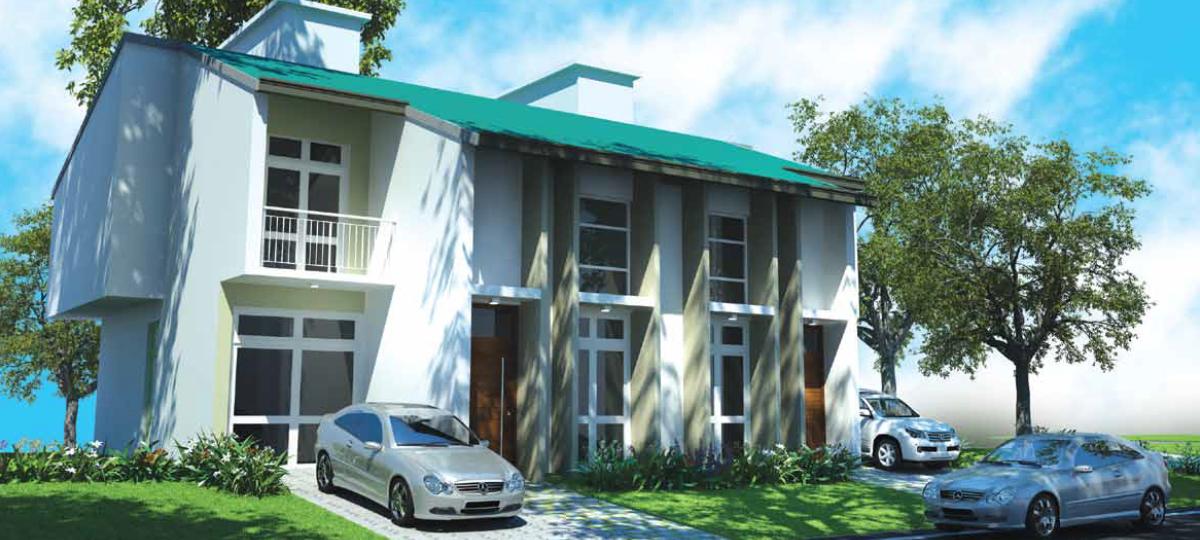
Walk through any growing city and you will notice it: cranes on the skyline, half-finished apartment blocks, quiet plots of land suddenly fenced off and buzzing with surveyors. That transformation, from empty ground to finished building, is property development in action. Whether you are trying to buy a house in Colombo, dreaming of building your own home one day, or simply curious about where new neighbourhoods come from, understanding property development gives you a clearer picture of how the spaces we live and work in actually get made.
At its core, property development is the process of taking raw land or an underused building and turning it into something more valuable, usually a home, office, shop, or mixed-use space that people actually want to live in or use. It sounds simple when you put it that way, but the journey from an empty field to a finished property involves a surprising number of moving parts: financing, design, permits, construction, marketing, and eventually, selling or leasing the finished product.
The People Behind the Process
A property developer is not necessarily the person swinging a hammer or laying bricks. More often, they are the one orchestrating everything behind the scenes. Developers identify opportunities, secure funding, hire architects and engineers, navigate local regulations, and ultimately bring a vision to life. Some developers focus on small residential projects, like converting a single old house into a few modern apartments. Others work on a much grander scale, building entire neighbourhoods or commercial complexes that reshape how a city functions.
What ties all developers together, regardless of project size, is risk. Development is inherently uncertain. Construction costs can rise unexpectedly, approvals can take longer than planned, and market demand can shift between the time a project starts and when it is ready for buyers. A good developer is someone who can weigh all of these variables and still make sound decisions, often years before the project is finished.
Where It All Begins: Land
Every development starts somewhere, and that somewhere is almost always land. Before a single brick is laid, someone has to find a suitable plot, evaluate its potential, and decide whether it makes financial sense to build there. This is why land for sale listings are so closely watched by developers and investors alike. The location, size, zoning restrictions, and even the soil quality of a piece of land can determine what is possible to build on it and how profitable the eventual project will be.
Choosing the right land is not just about finding an empty space. Developers look at proximity to schools, hospitals, and transport links. They consider whether the surrounding area is growing or declining, what kind of buyers or tenants might be interested, and what local authorities will permit in terms of building height, density, and use. A plot that looks unremarkable to the average passerby might be exactly what a developer needs because of its access to a main road or its position near an upcoming infrastructure project.
From Concept to Construction
Once land is secured, the real planning begins. Architects and engineers get involved to design something that is not only functional but also appealing to the people who will eventually live or work there. This stage involves a lot of back-and-forth: balancing what looks good with what is structurally sound, and balancing both of those with what the budget actually allows.
Permits and approvals come next, and this is often where projects slow down. Local councils and planning authorities need to sign off on everything from the building's height to its environmental impact. Depending on where you are, this stage can take months or even years. It is tedious, but it exists for good reason, ensuring that new buildings don't compromise safety, infrastructure, or the character of a neighbourhood.
Construction itself is the most visible part of the process, but by the time builders break ground, a developer has usually already spent a significant amount of time and money getting things to this point. This is also when the financial pressure tends to peak. Construction loans need to be repaid, contractors need to be paid on schedule, and any delays can quickly eat into a project's profitability.
Bringing the Finished Product to Market
Once a building is complete, or sometimes even before it is finished, the focus shifts to selling or leasing. This is where the development cycle connects back to everyday people looking for a place to live. Someone browsing apartments for sale in Sri Lanka, for instance, is essentially looking at the end result of this entire process: the land sourcing, the design decisions, the months of construction, all condensed into a unit they can walk through and imagine themselves living in.
Marketing a development well matters just as much as building it well. A beautifully constructed apartment block won't sell itself if potential buyers don't know it exists or can't picture why it suits their needs. Developers often work with real estate agents, run advertising campaigns, and sometimes set up show units so buyers can experience the space firsthand before committing.
Not every developer builds to sell, though. Some construct properties specifically for rental income, which is a different game altogether. The goal shifts from a quick sale to long-term, stable returns. Anyone searching for a house for rent in Sri Lanka is interacting with this side of the industry, where developers or investors retain ownership and earn income gradually through tenants rather than recovering their investment in one lump sum.
Why Property Development Matters Beyond Profit
It is easy to think of property development purely in terms of money, and certainly, profit is a major motivator for most developers. But there is a broader impact too. Developments shape how cities grow, where jobs are created, and how communities take form. A well-planned residential project can revitalise a neglected area, bring in better infrastructure, and give families a place they are proud to call home. A poorly planned one, on the other hand, can strain local resources or create housing that does not actually meet the needs of the people living nearby.
This is why thoughtful development, the kind that considers not just financial returns but also community needs, sustainability, and long-term liveability, tends to stand the test of time. Buildings that are built purely to maximise short-term profit often show their cracks, sometimes literally, within a decade. Those built with care tend to remain valuable and desirable for generations.
Getting Started, Even as a Beginner
You don't need to be a seasoned investor to start understanding property development. Pay attention to how new buildings go up in your area, ask questions about why certain locations are chosen, and follow how prices shift as projects move from announcement to completion. Over time, patterns start to emerge, and what once seemed like an opaque industry starts to make a lot more sense.
Property development, at its heart, is about turning potential into reality. It is part vision, part patience, and part calculated risk-taking. The next time you walk past a construction site or scroll through listings for a new home, you will have a better sense of everything that went into making that space possible, long before anyone ever moved in.
 Deutsch
 English
 Arabic
 Français
 Español
 Português
 Türkçe
 Dutch
Dutch
 Italiano
 Russian
 Romaian