


Signs You Need Surgery for a Fissure
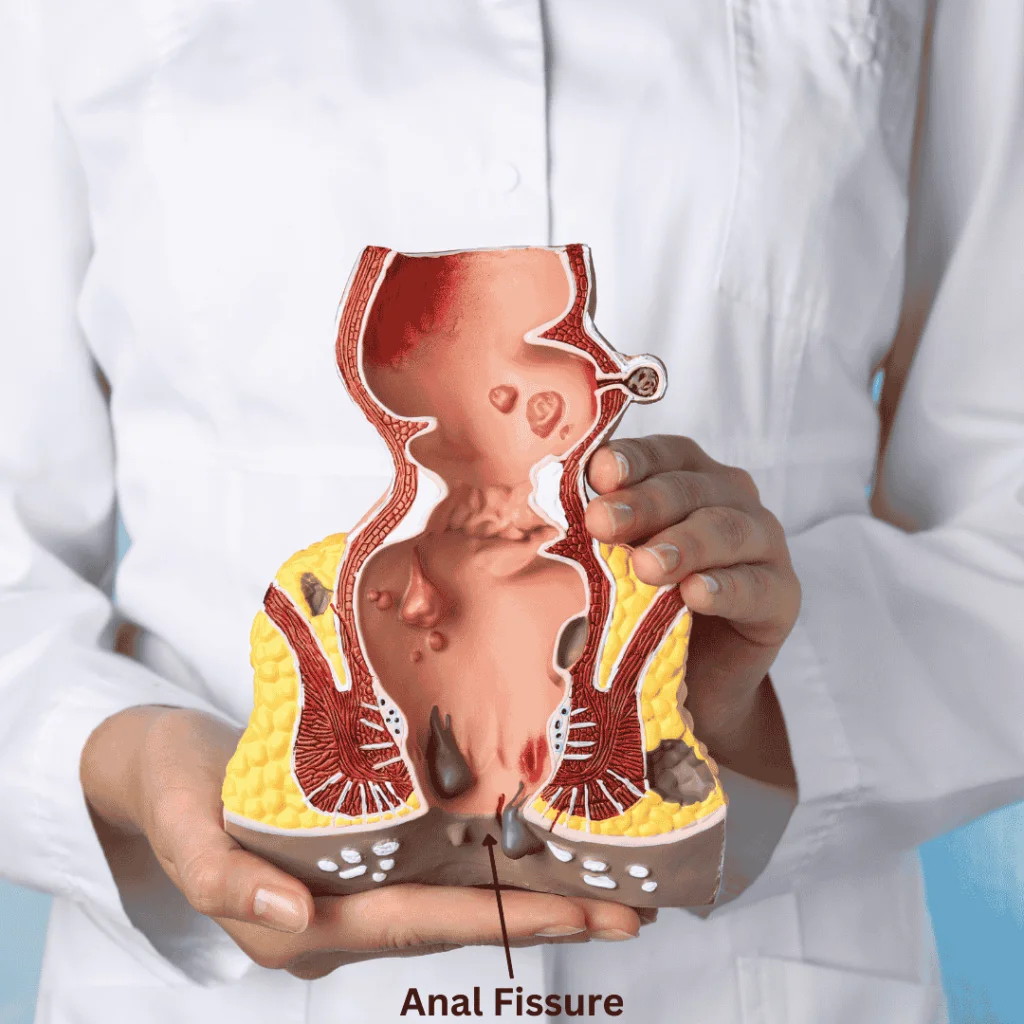
An anal fissure is a small tear in the lining of the anal canal that can cause severe pain during bowel movements, bleeding, and discomfort while sitting. Although many acute fissures heal with medicines, dietary changes, and proper bowel habits, some become chronic and require surgical treatment for permanent relief.
Recognising the warning signs early can help you avoid prolonged pain and complications. If your symptoms continue despite treatment, seeking expert Fissure Treatment in Thrissur is the best way to restore your comfort and quality of life.
What is an Anal Fissure?
An anal fissure is a tear in the skin of the anal canal, usually caused by passing hard stools or prolonged constipation. In some cases, chronic diarrhoea, childbirth, or repeated straining during bowel movements may also contribute to the condition.
Common symptoms include:
-
Sharp pain during bowel movements
-
Burning sensation after passing stools
-
Bright red blood on toilet paper
-
Anal itching
-
Difficulty sitting comfortably
-
A visible crack near the anus
-
Constipation due to fear of pain
Most acute fissures heal within a few weeks with conservative treatment, but chronic fissures often require a more advanced approach.
Signs That You May Need Surgery
Not every fissure needs surgery. However, certain symptoms indicate that conservative treatment may no longer be effective.
1. Persistent Pain for More Than Six Weeks
If severe anal pain continues for more than six weeks despite medicines and lifestyle changes, the fissure may have become chronic. Chronic fissures usually have poor blood supply, making natural healing difficult.
Early Fissure Treatment in Thrissur can prevent the condition from worsening.
2. Recurrent Bleeding
Occasional bleeding may occur with an acute fissure. However, repeated bright red bleeding during bowel movements should not be ignored. Persistent bleeding indicates that the fissure is not healing properly and requires medical evaluation.
3. Medicines Are No Longer Effective
Many patients initially experience relief with ointments, stool softeners, sitz baths, and pain-relieving medicines. If symptoms return repeatedly after stopping treatment, surgery may be the most effective long-term solution.
4. Development of a Sentinel Skin Tag
A chronic anal fissure often leads to the formation of a small skin tag near the tear, known as a sentinel pile. This usually indicates that the fissure has been present for a long time and is unlikely to heal with medicines alone.
5. Difficulty Passing Stools
Many patients intentionally avoid bowel movements because of severe pain. This results in constipation, harder stools, and further tearing of the fissure, creating a painful cycle that becomes difficult to break without proper treatment.
Modern Treatment Options
Today, surgery for chronic fissures is safer and more effective than ever before. Depending on the severity of the condition, your specialist may recommend minimally invasive procedures that provide long-lasting relief while preserving normal anal function.
The benefits of advanced fissure surgery include:
-
Significant pain relief
-
Faster wound healing
-
Reduced recurrence
-
Minimal hospital stay
-
Early return to daily activities
-
Improved quality of life
A detailed examination helps determine the most suitable treatment for each patient.
Why Early Consultation Matters
Delaying treatment can result in chronic pain, persistent bleeding, muscle spasm, and repeated fissure formation. Early consultation with an experienced Proctologist in Thrissur allows accurate diagnosis and timely intervention before complications develop.
Many anorectal conditions such as piles, fistula, and fissures have similar symptoms. Therefore, professional evaluation is essential to identify the exact cause of your discomfort.
Patients suffering from multiple anorectal conditions can also receive comprehensive Fistula Treatment in Thrissur whenever required under specialised proctology care.
Why Choose Dr. Raviram S?
Choosing an experienced colorectal surgeon plays a vital role in successful treatment. Dr. Raviram S is a trusted specialist in the management of fissures, piles, fistulas, and pilonidal sinus using modern diagnostic techniques and minimally invasive surgical procedures.
Every patient receives a thorough clinical evaluation before treatment is planned. Whether your fissure is acute or chronic, Dr. Raviram S recommends a personalised treatment approach based on your symptoms, examination findings, and overall health. His patient-centred care focuses on reducing pain, promoting faster recovery, and preventing recurrence.
Tips to Prevent Anal Fissures
Although not every fissure can be prevented, adopting healthy bowel habits can reduce the risk significantly.
Follow these simple measures:
-
Eat a fibre-rich diet.
-
Drink at least 2–3 litres of water daily.
-
Avoid prolonged constipation.
-
Do not delay bowel movements.
-
Exercise regularly.
-
Avoid excessive straining while passing stools.
-
Maintain good anal hygiene.
These lifestyle changes also support recovery after treatment.
Final Thoughts
Most anal fissures heal with conservative management, but persistent symptoms should never be ignored. If you continue to experience severe pain, recurrent bleeding, or difficulty passing stools despite medication, surgery may be the best option for lasting relief.
If you are looking for advanced Fissure Treatment in Thrissur, consult Dr. Raviram S for a comprehensive evaluation and personalised treatment plan. Early diagnosis, modern surgical techniques, and expert care can help you recover comfortably and return to your normal routine. Patients with associated anorectal conditions can also benefit from specialised Fistula Treatment in Thrissur under the same expert care.

 English
 Arabic
 Français
 Español
 Português
 Deutsch
 Türkçe
 Dutch
Dutch
 Russian
 Romaian