


Best SaaS Development Services for Growing Businesses
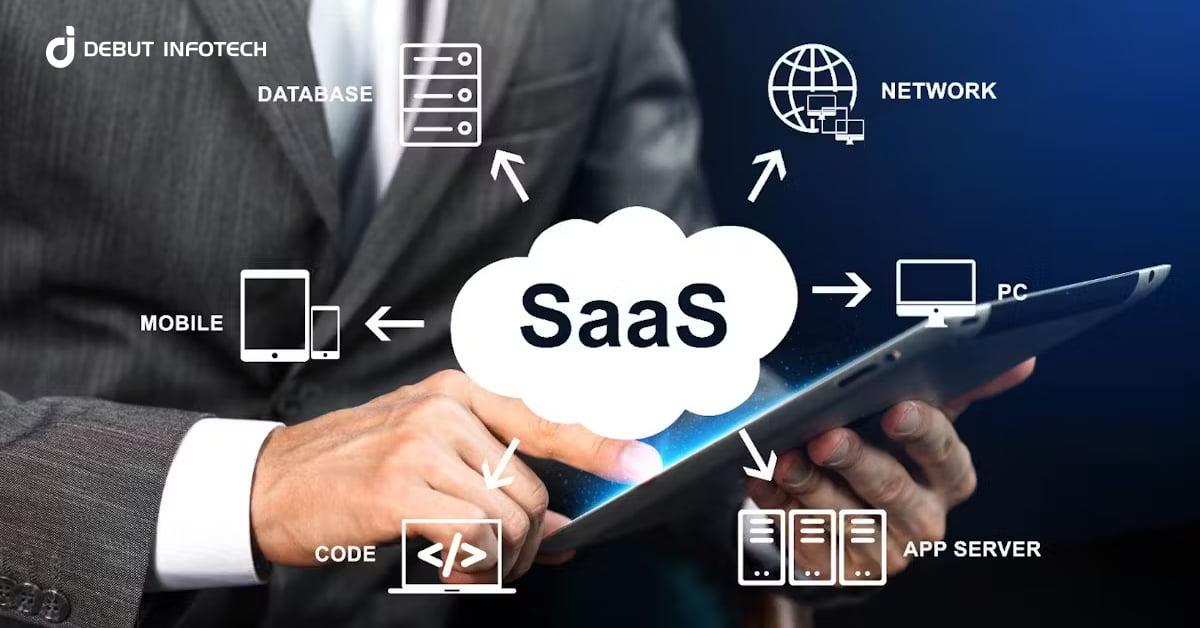
Software as a Service (SaaS) has transformed the way businesses deliver software, enabling organizations to provide scalable, cloud-based applications through subscription models. From startups to large enterprises, companies are increasingly adopting SaaS solutions to improve operational efficiency, reduce infrastructure costs, and accelerate digital transformation.
As the demand for cloud-native applications continues to grow, choosing the right SaaS development services has become essential for businesses looking to build secure, scalable, and user-friendly software products. This guide explores the best SaaS development services, their benefits, development process, and how they help growing businesses achieve long-term success.
What Are SaaS Development Services?
SaaS development services involve designing, developing, deploying, and maintaining cloud-based software applications that users can access over the internet without installing them locally.
These services cover the complete product lifecycle, from validating an idea and designing the user experience to developing the application, integrating third-party tools, deploying it on the cloud, and providing ongoing maintenance.
Businesses across industries—including healthcare, finance, education, retail, logistics, and HR—use SaaS applications to streamline operations and improve customer experiences.
Why Growing Businesses Choose SaaS Solutions
SaaS applications offer several advantages over traditional software models.
Lower Upfront Costs
Businesses eliminate the need for expensive hardware and on-premise infrastructure by leveraging cloud platforms.
Faster Deployment
Cloud-native architectures enable quicker development, testing, and deployment, helping companies bring products to market faster.
Scalability
SaaS applications can easily scale to accommodate growing user bases, increasing workloads, and expanding business requirements.
Automatic Updates
Software updates, security patches, and feature enhancements can be deployed centrally, ensuring users always have access to the latest version.
Global Accessibility
Users can securely access SaaS applications from any location using an internet connection and supported devices.
Predictable Revenue
Subscription-based pricing models generate recurring revenue, making SaaS an attractive business model for software providers.
Best SaaS Development Services
1. SaaS Product Consulting
The development journey begins with understanding business objectives, target users, market opportunities, and technical requirements.
Consulting services typically include:
- Product strategy
- Market research
- Feature prioritization
- Technology selection
- Architecture planning
- Go-to-market strategy
2. Custom SaaS Application Development
Custom development focuses on building software tailored to unique business requirements instead of using generic, off-the-shelf solutions.
Benefits include:
- Personalized user experience
- Flexible architecture
- Better scalability
- Competitive differentiation
3. UI/UX Design
An intuitive user interface improves customer engagement and retention.
Design services include:
- Wireframing
- Interactive prototypes
- Responsive interfaces
- User journey optimization
- Accessibility improvements
4. Multi-Tenant Architecture Development
Multi-tenancy enables multiple customers to use the same application while maintaining isolated and secure data environments.
Key advantages include:
- Reduced infrastructure costs
- Simplified maintenance
- Easier software updates
- Efficient resource utilization
5. Cloud Application Development
Cloud-native SaaS applications are designed for flexibility, performance, and reliability.
Popular cloud platforms include:
- Amazon Web Services (AWS)
- Microsoft Azure
- Google Cloud Platform (GCP)
6. API Development and Integration
Modern SaaS applications often integrate with third-party services to expand functionality.
Common integrations include:
- Payment gateways
- CRM platforms
- Marketing automation tools
- Analytics platforms
- Communication services
7. SaaS Migration Services
Organizations with legacy software can migrate existing applications to cloud-based SaaS platforms with minimal disruption.
Migration services typically include:
- Application modernization
- Database migration
- Cloud deployment
- Performance optimization
- Data security
8. SaaS Testing and Quality Assurance
Comprehensive testing ensures application reliability, security, and performance.
Testing services include:
- Functional testing
- Performance testing
- Security testing
- Automation testing
- User acceptance testing
9. Maintenance and Support
After deployment, ongoing maintenance helps ensure application stability, security, and continuous improvement.
Support services include:
- Performance monitoring
- Security updates
- Feature enhancements
- Bug fixes
- Infrastructure management
Industries Benefiting from SaaS Development
SaaS solutions are transforming businesses across various industries, including:
- Healthcare
- Financial services
- Education
- Retail and eCommerce
- Logistics
- Human resources
- Manufacturing
- Real estate
Each industry leverages SaaS applications to improve efficiency, collaboration, and customer engagement.
Essential Features of a Modern SaaS Application
Successful SaaS platforms typically include:
- Secure user authentication
- Role-based access control
- Subscription management
- Multi-tenancy
- Payment integration
- Analytics dashboard
- API connectivity
- Data encryption
- Automated backups
- Mobile responsiveness
These features enhance usability while ensuring scalability and security.
SaaS Development Process
A structured development approach improves project outcomes and reduces risks.
Step 1: Discovery and Planning
Identify business goals, user requirements, technical specifications, and project scope.
Step 2: UI/UX Design
Create intuitive interfaces that provide seamless user experiences across devices.
Step 3: Architecture Design
Design a scalable, secure, and cloud-native architecture capable of supporting future growth.
Step 4: Development
Build frontend, backend, APIs, databases, and cloud infrastructure using modern development frameworks.
Step 5: Testing
Validate functionality, security, compatibility, and performance before deployment.
Step 6: Deployment
Launch the SaaS application on a reliable cloud platform using automated deployment pipelines.
Step 7: Ongoing Maintenance
Monitor application health, implement updates, improve performance, and release new features based on user feedback.
Technologies Used in SaaS Development
Modern SaaS applications commonly utilize:
Frontend
- React
- Angular
- Vue.js
Backend
- Node.js
- Python
- Java
- .NET
Databases
- PostgreSQL
- MySQL
- MongoDB
Cloud Platforms
- AWS
- Azure
- Google Cloud
DevOps Tools
- Docker
- Kubernetes
- Jenkins
- GitHub Actions
Factors to Consider When Choosing a SaaS Development Partner
Selecting the right web development company plays a significant role in project success.
Consider evaluating:
- Technical expertise
- Industry experience
- Portfolio of SaaS projects
- Cloud capabilities
- Security practices
- Communication process
- Development methodology
- Post-launch support
A reliable partner should understand your business goals while delivering scalable and maintainable software solutions.
Benefits of Professional SaaS Development Services
Working with an experienced SaaS development company offers several advantages:
- Faster product launches
- Reduced development risks
- Access to experienced developers
- Scalable cloud architecture
- Enhanced security
- Better user experiences
- Continuous technical support
- Long-term product evolution
Future Trends in SaaS Development
The SaaS industry continues to evolve with emerging technologies such as:
- Artificial Intelligence (AI)
- Machine Learning
- Low-code and no-code platforms
- Microservices architecture
- Serverless computing
- Advanced cybersecurity
- Industry-specific SaaS solutions
- Predictive analytics
These innovations are enabling businesses to deliver smarter, faster, and more personalized software experiences.
Conclusion
SaaS has become the preferred software delivery model for businesses seeking scalability, flexibility, and recurring revenue opportunities. Whether you're launching a new cloud-based product or modernizing an existing application, investing in professional SaaS development services can accelerate growth and improve customer satisfaction.
By choosing the right development partner, leveraging modern cloud technologies, and focusing on user-centric design, growing businesses can build secure, scalable, and competitive SaaS applications that support long-term success in an increasingly digital marketplace.

 English
 Arabic
 Français
 Español
 Português
 Deutsch
 Türkçe
 Dutch
Dutch
 Russian
 Romaian