


Winter Storm Myths Debunked: The Science Behind Common Cold Weather Misconceptions That Can Put You at Risk
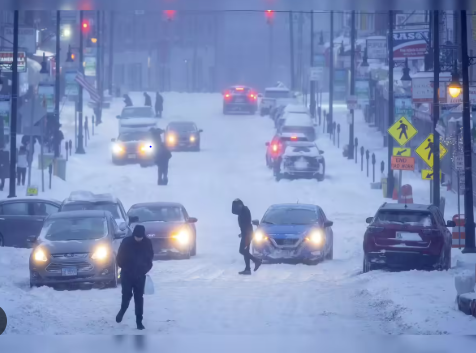
Winter storms are among the most misunderstood weather events. Snow, ice, freezing temperatures, and powerful winds can create dangerous conditions within hours, yet many people rely on old sayings, family traditions, or common assumptions when preparing for severe winter weather. Some of these beliefs contain a small amount of truth, while others are completely inaccurate and may lead to poor decisions during dangerous conditions.
Understanding the science behind winter storms is not just about curiosity. It can help people make better choices when driving, protecting their homes, caring for their health, and responding to rapidly changing weather. Many winter storm mistakes happen because people underestimate how different cold weather conditions are from ordinary rainy or windy days.
From believing that four-wheel drive vehicles are invincible on icy roads to assuming that extreme cold prevents snowfall, these myths continue to spread every winter. Below are some of the most common winter storm misconceptions, along with the real facts behind them.
Myth: Four-Wheel Drive Means You Can Drive Normally in Snow
One of the most dangerous winter driving myths is the belief that having four-wheel drive or all-wheel drive allows a vehicle to handle snow and ice the same way it handles dry pavement.
Four-wheel drive systems are helpful, but they do not eliminate the challenges created by winter weather. These systems improve a vehicle’s ability to gain traction when accelerating because power is distributed to multiple wheels. This can help drivers move through deep snow, climb slippery roads, or avoid getting stuck.
However, four-wheel drive does not improve braking ability on ice or packed snow. It also does not automatically increase steering control. When a vehicle loses traction, the tires are still the connection between the vehicle and the road. If the road surface is covered with ice, even a powerful four-wheel drive truck can slide just like a small car.
The science comes down to friction. Dry pavement provides a strong grip between tires and the road. Snow and ice reduce that friction dramatically. When friction decreases, stopping distances increase and steering becomes less predictable.
Winter tires can make a significant difference because they are designed with special rubber compounds that remain flexible in cold temperatures. Regular tires often become harder when temperatures drop, reducing their ability to grip the road.
Safe winter driving requires more than vehicle technology. Drivers should reduce speed, increase following distance, avoid sudden braking, and understand that every vehicle has limits when roads become icy.
Myth: You Should Leave Faucets Dripping at Full Stream During Freezing Weather
Many people know that dripping faucets can sometimes prevent frozen pipes, but the idea that you should leave faucets running at a full stream during every cold event is incorrect and wasteful.
The purpose of allowing a small amount of water to drip is to reduce pressure buildup inside pipes. When water freezes, it expands. This expansion can create enormous pressure inside a closed pipe system, causing pipes to crack or burst.
A small, steady drip can help because moving water is less likely to freeze completely compared with still water. It also provides an escape path for pressure if ice begins forming.
However, leaving a faucet running at full stream is usually unnecessary. It wastes large amounts of water and may not provide additional protection compared with a slow drip. The goal is not to keep all water warm through constant flow. The goal is to reduce the chance of pressure damage.
A better approach includes insulating exposed pipes, sealing cracks where cold air enters, opening cabinet doors under sinks to allow warmer indoor air around plumbing, and keeping indoor temperatures stable.
The risk of frozen pipes also depends on factors such as pipe location, insulation quality, outdoor temperature, and how long freezing conditions last. A properly protected home may not need any faucet dripping at all, while a poorly insulated home may require preventative measures during severe cold.
Myth: Alcohol Warms You Up During Cold Weather
The belief that alcohol keeps people warm in freezing temperatures is one of the most dangerous winter myths.
Alcohol can create a temporary sensation of warmth, but this feeling is misleading. When someone drinks alcohol, blood vessels near the skin expand. This process is called vasodilation. More warm blood moves toward the skin, creating a feeling of heat.
The problem is that this warmth is actually coming from the body’s core. As blood moves closer to the surface, heat escapes more quickly into the surrounding cold air. While a person may feel warmer, their internal body temperature can actually decrease.
Alcohol also affects judgment, coordination, and awareness. In a winter emergency, these effects can be dangerous because a person may not recognize signs of hypothermia or may make poor decisions about seeking shelter.
Hypothermia occurs when the body loses heat faster than it can produce it. Symptoms can include intense shivering, confusion, tiredness, slow reactions, and eventually loss of consciousness.
The safest way to stay warm during winter storms is through proper clothing, dry insulation layers, shelter, warm drinks without alcohol, and maintaining body heat through safe activity.
Myth: You Cannot Get Sunburned in Winter
Many people associate sunburn only with hot summer days, but ultraviolet radiation from the sun exists throughout the year. Winter conditions can actually create unique risks for skin damage.
Snow and ice reflect sunlight. This reflection can increase the amount of ultraviolet radiation reaching your skin. In snowy environments, sunlight can hit your face directly from above and also bounce upward from the ground.
Higher elevations create an even greater risk because the atmosphere is thinner and absorbs less ultraviolet radiation. Skiers, snowboarders, hikers, and people working outdoors during winter can experience sunburn even when temperatures are below freezing.
Cold temperatures can also make people less aware of sun exposure. During summer, people expect heat and often apply sunscreen. In winter, they may not notice the damage occurring because the air feels cold.
Sun protection remains important during snowy weather. Sunscreen, sunglasses, and protective clothing can reduce exposure to harmful ultraviolet rays. Lips and exposed skin are especially vulnerable because cold wind can dry and irritate them, making protection even more important.
Winter weather does not remove the sun’s energy. It simply changes how people experience their environment.
Myth: If It Is Too Cold, It Cannot Snow
A common saying suggests that extremely cold weather prevents snowfall. While there is some scientific reasoning behind this belief, the statement is generally incorrect.
Snow requires moisture in the atmosphere, not just warm temperatures. Snow forms when water vapor freezes into ice crystals inside clouds. If enough moisture exists and temperatures are suitable, snowfall can occur even when the air is extremely cold.
The reason this myth exists is because some of the heaviest snowstorms happen when temperatures are near freezing rather than at extremely low temperatures. Warmer air can hold more moisture, which means storms near the freezing point may produce large amounts of snow.
However, cold air can still produce snowfall if moisture is available. Regions with very low temperatures often experience lighter, powdery snow because colder air contains less moisture.
The relationship between temperature and snowfall is more complicated than simply saying “cold equals no snow.” Atmospheric conditions at different heights, moisture availability, wind patterns, and storm systems all influence whether snow develops.
A winter storm is a complex interaction between air temperature, humidity, pressure systems, and geography.
Myth: Winter Storms Only Happen Up North
Many people believe winter storms are only a northern problem, but this misconception can leave communities in warmer regions unprepared.
Winter storms can affect many areas that do not normally experience long periods of cold weather. Places in the southern United States, coastal regions, desert areas, and even areas with mild winters can experience damaging ice storms, freezing rain, and occasional heavy snowfall.
The danger in these regions can sometimes be greater because residents, governments, and infrastructure may not be designed for frequent freezing conditions. Roads may not have enough equipment for ice treatment, homes may have less insulation, and people may not have winter emergency supplies.
Freezing rain is especially dangerous because it can occur when temperatures near the ground are below freezing while warmer air exists higher in the atmosphere. Rain falls through the warmer layer, remains liquid, and then freezes when it contacts cold surfaces. This can create a layer of ice on roads, power lines, and trees.
A location does not need to be covered in snow every winter to experience dangerous winter weather. Preparation matters everywhere.
People should pay attention to local forecasts and official weather alerts rather than assuming their region is immune. Another dangerous myth is assuming that severe weather information will always reach you automatically without checking conditions. A smarter approach is to check winter storm warning information for your area and stay aware as conditions develop.
Myth: Snowplows and Salt Immediately Make Roads Safe
Many drivers assume that once snowplows arrive or salt is spread on roads, conditions become safe again. While these tools are essential, they are not instant solutions.
Snowplows remove accumulated snow, but they cannot completely eliminate packed ice or prevent all slippery conditions. During heavy storms, snowfall can occur faster than roads can be cleared.
Road salt works by lowering the freezing point of water. When salt mixes with ice, it creates a solution that melts ice at lower temperatures than pure water. However, salt becomes less effective during extremely cold conditions, and it requires time to work.
Additionally, salt does not remove the need for careful driving. Roads may remain slippery even after treatment, especially in shaded areas, bridges, and areas with repeated freezing and melting.
Drivers should continue using caution even after maintenance crews have treated roads.
Myth: Staying Inside Means You Are Completely Safe During a Winter Storm
Taking shelter indoors is usually the safest choice during severe winter weather, but being inside does not automatically eliminate every danger.
Winter storms can cause power outages, heating failures, frozen pipes, carbon monoxide risks, and communication problems. A home without electricity or heat can become dangerous during prolonged freezing temperatures.
Preparation is important. Households should keep emergency supplies such as flashlights, batteries, blankets, nonperishable food, water, medications, and backup heating plans when appropriate.
Carbon monoxide poisoning is another serious winter hazard. People should never use generators, grills, or fuel-burning equipment indoors because these devices can produce deadly carbon monoxide gas.
A winter storm emergency plan helps families respond quickly if normal services become unavailable.
Understanding Winter Weather Through Science
Winter storms are powerful natural events influenced by atmospheric pressure, temperature differences, moisture, wind patterns, and geography. Many misconceptions exist because winter conditions can feel contradictory. Snow can fall in freezing temperatures, sunlight can burn skin in cold weather, and a vehicle with advanced technology can still lose control on ice.
The safest way to deal with winter weather is to replace assumptions with knowledge. Understanding how cold temperatures affect roads, homes, vehicles, and the human body allows people to make better decisions before and during storms.
Winter preparation is not about expecting the worst every day. It is about recognizing that small misunderstandings can create serious problems when conditions become extreme.
By separating myths from facts, communities can become safer, more prepared, and more confident when facing winter storms. Science provides the explanation, but awareness and preparation are what turn that knowledge into protection

 English
 Arabic
 Français
 Español
 Português
 Deutsch
 Türkçe
 Dutch
Dutch
 Italiano
 Russian