


Why Intelligent Mobility Is Reshaping Asia-Pacific Roads
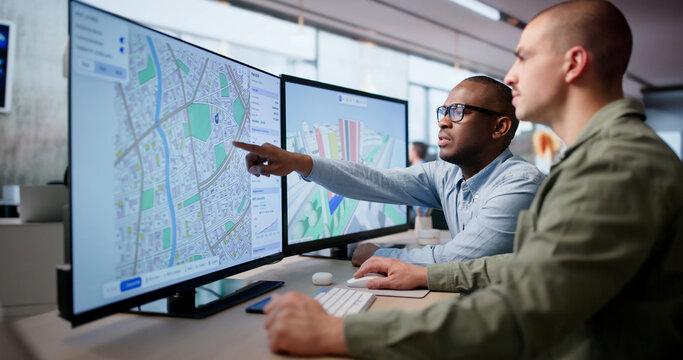
Transportation networks across the Asia-Pacific region are undergoing a significant digital transformation. Rapid urbanization, rising vehicle ownership, and increasing pressure on road infrastructure are encouraging governments to modernize mobility systems. Intelligent Transport Systems (ITS) are becoming an essential part of this transition by combining digital technologies, real-time data, and automation to improve traffic efficiency, enhance road safety, and support sustainable urban development.
As cities continue to invest in connected infrastructure, technologies such as AI-powered traffic management, smart signaling, vehicle-to-infrastructure communication, and predictive analytics are moving from pilot projects to large-scale implementation. A recent study on connected mobility solutions across Asia-Pacific highlights how governments are accelerating investments in digital transportation infrastructure to support future mobility demands.
The regional outlook reflects this momentum. According to the analysis published by MarkNtel Advisors, the Asia-Pacific Intelligent Transport System market is projected to grow from USD 16.3 billion in 2026 to USD 30.1 billion by 2032, expanding at a CAGR of 10.76%. The study also identifies Advanced Traffic Management Systems (ATMS) as the leading system segment, demonstrating the growing importance of data-driven traffic optimization.
Why Governments Are Prioritizing Intelligent Transport
Traditional transportation infrastructure is struggling to keep pace with growing populations and expanding urban centers. Congestion, traffic accidents, fuel consumption, and environmental concerns are forcing policymakers to rethink mobility strategies. Rather than expanding road networks indefinitely, many governments are focusing on making existing infrastructure smarter.
Digital traffic control centers, adaptive traffic signals, intelligent surveillance systems, and integrated command platforms allow authorities to monitor road conditions in real time. These technologies help reduce travel delays while improving emergency response and overall transportation efficiency.
Artificial Intelligence Is Transforming Traffic Management
Artificial intelligence has become one of the defining technologies behind modern ITS deployments. AI algorithms process information collected from roadside sensors, surveillance cameras, GPS-enabled vehicles, and connected infrastructure to optimize traffic movement continuously.
Instead of relying on fixed traffic signal timings, intelligent systems can dynamically adjust signal cycles based on actual traffic conditions. Predictive analytics also helps authorities identify congestion patterns before they become severe, allowing proactive intervention that minimizes disruptions.
Connected Infrastructure Supports Safer Roads
Safety remains one of the strongest drivers behind intelligent transportation investments. Modern ITS platforms integrate cameras, weather monitoring systems, vehicle detection sensors, and communication networks to provide real-time situational awareness.
These capabilities enable faster incident detection, quicker emergency response, improved lane management, and better traveler information. Connected infrastructure also supports vehicle-to-infrastructure communication, which is expected to become increasingly important as connected and autonomous vehicles gain wider adoption throughout the region.
Smart Cities Are Accelerating ITS Adoption
Many Asia-Pacific countries are integrating intelligent transportation into broader smart city initiatives. Rather than viewing mobility as a standalone function, cities increasingly connect transportation with public safety, environmental monitoring, digital governance, and urban planning.
Integrated mobility platforms help city administrators manage public transportation, parking systems, electronic toll collection, freight movement, and multimodal travel through centralized operations. This creates a more seamless transportation experience for commuters while enabling more efficient resource allocation.
China Continues to Lead Regional Development
China remains one of the region's largest adopters of intelligent transportation technologies due to sustained infrastructure investment, extensive urbanization, and widespread digital transformation initiatives. Large metropolitan areas continue expanding AI-enabled traffic management platforms while integrating IoT, cloud computing, and 5G connectivity into transportation networks.
Other countries including Japan, South Korea, Singapore, Australia, and several Southeast Asian economies are also expanding smart mobility programs through investments in connected highways, intelligent public transportation, and cooperative transport systems that support long-term infrastructure modernization.
Challenges Still Require Attention
Despite strong momentum, several implementation challenges remain. Integrating legacy transportation infrastructure with modern digital platforms requires significant investment and long-term planning. Cybersecurity, data privacy, interoperability between multiple technology providers, and workforce training also remain important considerations.
Successful deployments depend not only on advanced technologies but also on consistent policy frameworks, standardized communication protocols, and collaboration between government agencies, infrastructure operators, and technology vendors.
The Road Ahead
Intelligent Transport Systems are becoming a foundational component of next-generation mobility across Asia-Pacific. As governments continue investing in digital infrastructure, transportation networks are expected to become increasingly connected, efficient, and data driven.
With advances in artificial intelligence, IoT, cloud computing, and connected vehicle technologies, ITS will continue supporting safer roads, improved traffic management, and smarter urban mobility. As transportation ecosystems evolve, intelligent mobility solutions are likely to play a central role in building resilient and sustainable cities capable of meeting future transportation demands.

 Arabic
 Français
 Español
 Português
 Deutsch
 Türkçe
 Dutch
Dutch
 Italiano
 Russian
 Romaian