


Water Restoration Services That Help Prevent Costly Repairs
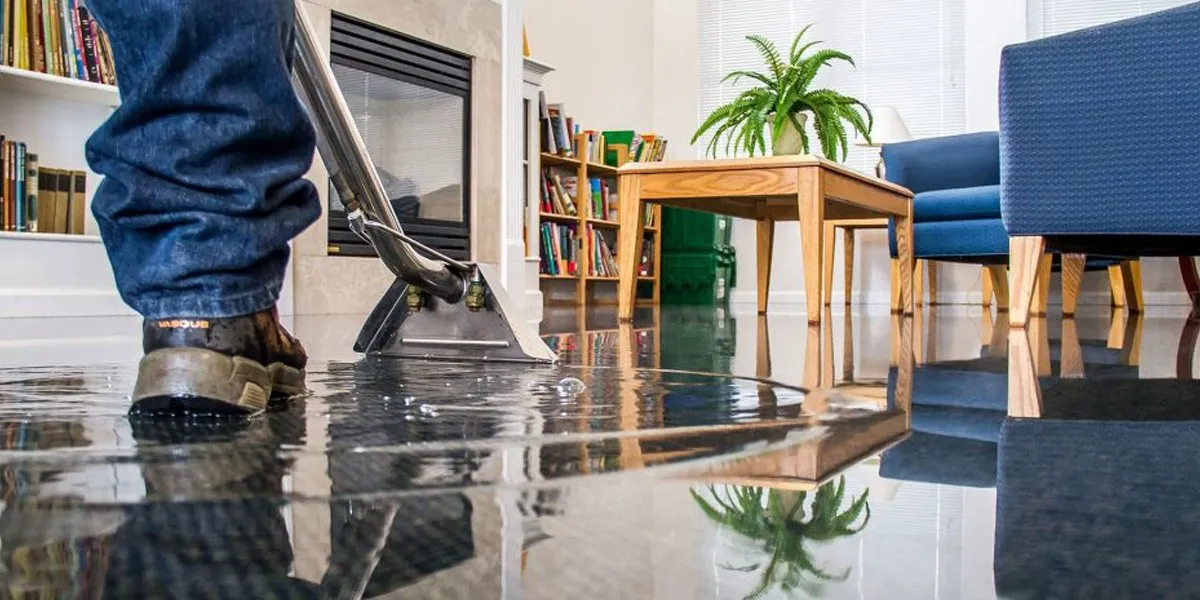
Protect your Thurston County property with water restoration services that limit damage and speed recovery. Learn what to expect today.
Water rarely stays where it starts. A small pipe leak behind a wall or several inches of floodwater in a crawl space can quickly affect flooring, insulation, framing, and indoor air quality. That's why professional water restoration services are often the difference between a manageable repair and a major rebuilding project. At Floodtek, we've seen how acting quickly helps property owners reduce damage while improving the chances of restoring valuable materials.
Homes and businesses throughout Thurston County experience water damage from heavy rainfall, overflowing drains, plumbing failures, roof leaks, appliance malfunctions, and seasonal storms. Every situation requires a careful assessment because the source of the water and the length of exposure determine the safest restoration plan.
What Water Restoration Really Involves
Water restoration is much more than removing standing water. The process includes identifying the source of the damage, extracting water, drying structural materials, monitoring moisture levels, cleaning affected areas, and restoring the property to a safe condition.
Professional restoration often includes:
- Moisture inspections
- Water extraction
- Structural drying
- Dehumidification
- Moisture monitoring
- Carpet and flooring evaluation
- Drywall removal when necessary
- Mold prevention
- Odor treatment
- Reconstruction of damaged areas
Each step plays an important role in preventing additional damage. Leaving hidden moisture behind can weaken framing, damage insulation, warp hardwood flooring, and encourage mold growth.
Many residential and commercial properties also require water damage restoration in Thurston County after broken pipes, appliance failures, roof leaks, or sewage backups. Every water source carries different risks, making proper classification an essential first step before cleanup begins.
In Thurston County, we've noticed that most homeowners assume visible water is the only problem. By the time staining appears on ceilings or walls, moisture has often spread much farther than expected.
Professional restoration teams rely on moisture meters, infrared cameras, hygrometers, air movers, and commercial dehumidifiers to monitor drying progress instead of simply estimating when materials are dry.
The Real Challenge in Thurston County, WA
Western Washington's climate creates conditions that make water damage especially challenging. Frequent rainfall, cool temperatures, and naturally high humidity slow the drying process compared with many other parts of the country. Moisture trapped inside walls or beneath flooring can remain unnoticed unless specialized equipment is used.
One challenge that many property owners don't realize is that moisture continues migrating after the visible water has been removed. Capillary action allows water to travel upward through drywall, wood framing, and insulation, affecting areas that initially appeared untouched.
A client in Thurston County reached out after discovering a slow leak beneath a kitchen sink. The cabinet appeared to be the only damaged area, but moisture testing revealed elevated readings inside an adjoining wall and beneath nearby flooring. Early detection allowed targeted drying and limited demolition, avoiding a much larger repair several weeks later.
A concern many customers have—but few restoration articles address—is whether insurance always covers every part of the restoration process. Coverage depends on the cause of the loss, policy language, maintenance history, and any exclusions. A sudden pipe burst may be covered, while long-term neglected leaks often are not. Understanding this distinction early helps property owners make informed decisions.
Another question competitors often avoid is whether every water-damaged material must be removed. The answer depends on contamination levels, material type, drying potential, and how quickly restoration begins. Many structural components can be safely restored when moisture is addressed promptly.
How Floodtek Approaches Water Restoration Differently
Every restoration project begins with finding the complete extent of the moisture rather than focusing only on visible damage. Floodtek performs detailed inspections using professional moisture detection equipment before creating a drying plan based on the property's construction and the category of water involved.
Standing water is removed first to reduce additional absorption into structural materials. Commercial drying equipment is then positioned to encourage controlled airflow and lower humidity throughout the affected areas. Moisture readings are monitored regularly until drying goals are achieved rather than relying on fixed timelines.
Many larger losses also require flood cleanup services in Thurston County after storms, overflowing waterways, or plumbing failures. These projects often involve removing debris, cleaning contaminated surfaces, disinfecting affected areas, and documenting moisture levels throughout the restoration process.
One insight often missing from general articles is that restoration success depends as much on daily monitoring as on the equipment itself. Air movers and dehumidifiers require adjustments as moisture levels change. Equipment that remains in one position throughout the project may leave damp pockets hidden behind walls or beneath flooring.
Proper documentation also benefits property owners by creating a record of moisture readings, drying progress, photographs, and equipment usage. These records can support insurance claims while confirming that structural materials reached acceptable moisture levels before reconstruction begins.
Practical Tips: What to Know Before You Decide
After water enters a home or commercial building, every hour matters. Fast action helps reduce structural damage, limits mold growth, and improves the chances of saving flooring, drywall, insulation, and personal belongings.
Working with clients in Thurston County, our team found that many property owners underestimate how far moisture can travel behind walls and beneath flooring. A room that appears dry on the surface may still contain trapped moisture that can create problems weeks later if it isn't detected with professional equipment.
Before choosing a restoration company, keep these points in mind.
Don't Wait for Visible Damage
Standing water is only part of the problem. Moisture often migrates into framing, subfloors, insulation, and wall cavities. Moisture meters, thermal imaging cameras, and humidity monitoring help identify hidden water that isn't immediately visible.
Ask About the Drying Process
Removing water is only the beginning. Proper drying includes commercial air movers, dehumidifiers, moisture monitoring, and regular equipment adjustments until building materials reach acceptable moisture levels.
Many homes also require water extraction services before structural drying can begin. Removing standing water quickly helps reduce additional damage and shortens the overall restoration timeline.
Understand What Can Be Saved
Not every material needs replacement. Hardwood flooring, structural framing, and certain cabinets can often be restored if drying begins early enough. On the other hand, saturated insulation, damaged drywall, and contaminated materials may require removal for health and safety reasons.
Ask About Documentation
Insurance claims become much easier when the restoration company documents moisture readings, equipment placement, drying progress, and photographs throughout the project. Good records help demonstrate that proper restoration procedures were followed.
One local consideration in Thurston County is the area's long rainy seasons and naturally high humidity. Buildings may require additional drying time compared with drier climates because moisture leaves materials more slowly. Rushing this stage often leads to recurring moisture issues later.
Restore Your Property Before Damage Spreads Further
Water damage rarely stays confined to one room. Acting quickly protects structural materials, reduces repair costs, and helps preserve indoor air quality. If your property has experienced flooding, plumbing failures, or storm-related water intrusion, Floodtek provides water restoration services throughout Thurston County, WA with careful inspection, professional drying methods, and practical guidance to help your property recover safely.
4. FAQs
1. How much do water restoration services cost in Thurston County, WA?
Costs vary depending on the source of the water, the amount of affected materials, drying time, and whether demolition or reconstruction is necessary. Small clean-water incidents cost much less than widespread flooding or contaminated water losses. A professional inspection provides the most accurate estimate.
2. How soon should restoration begin after water damage?
Restoration should begin as quickly as possible, ideally within the first 24 to 48 hours. Prompt water damage restoration reduces the chance of mold growth, structural deterioration, and permanent damage to flooring, drywall, insulation, and personal belongings.
3. How do I know if a water restoration company is trustworthy?
Choose a company with trained technicians, appropriate licensing where required, insurance, moisture detection equipment, and clear communication throughout the project. Ask about drying documentation, inspection procedures, and previous experience with similar restoration work before making a decision.
4. Can my home look dry but still have hidden water damage?
Yes. Water frequently travels behind drywall, beneath flooring, inside insulation, and through structural framing. Visible drying doesn't always mean the building is fully dry. Professional moisture testing helps identify hidden moisture before it causes mold or long-term structural damage.
5. Will all flooded materials need to be replaced?
Not necessarily. Many structural materials can be restored if drying starts promptly and contamination levels are low. The decision depends on the type of water involved, how long materials remained wet, and whether they can be safely cleaned and dried without compromising their integrity.

 English
 Arabic
 Español
 Português
 Deutsch
 Türkçe
 Dutch
Dutch
 Italiano
 Russian
 Romaian