


Eco-Friendly Weed Control: How to Use a Rotary Tiller to Clear Garden Weeds
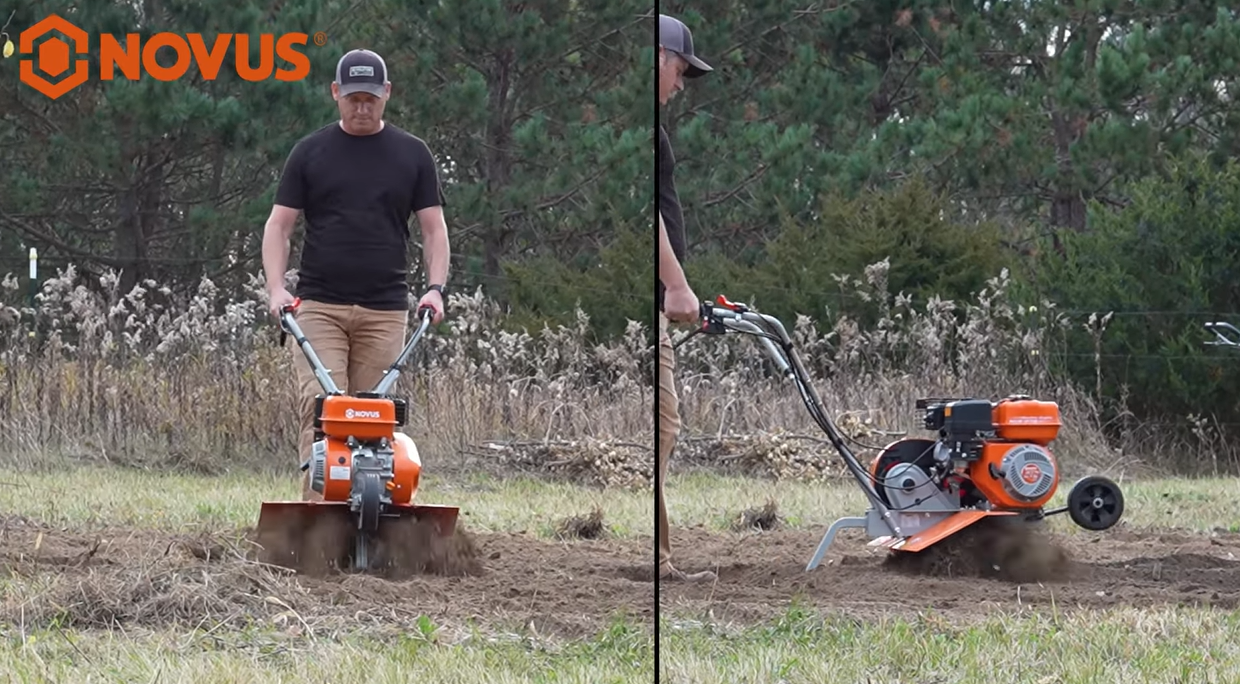
Weeds plague home gardens, small farms and orchards, robbing crops of nutrients and cutting yields. Manual weeding is slow and labor-heavy, especially on larger plots, leaving many growers wondering if a tiller can replace hand pulling or chemical herbicides. The short answer is yes—but only when used in the right conditions with proper technique. This guide breaks down how tillers eliminate weeds, ideal scenarios, risky situations, correct operation hacks, and comparisons to other weed control methods.
Working Principle of Tillers for Weeding
Rotary tillers rely on spinning metal tines to turn topsoil and tackle weeds through three key physical actions:
1. Slice through weed root systems, severing nutrient supply and stopping regrowth.
2. Flip weeds onto the soil surface to bake and die under sunlight, or bury them deep to decompose naturally.
3. Disturb the top layer of earth, disrupting the stable growing environment for new weed sprouts.
This fully mechanical method requires zero chemical sprays, making it ideal for organic gardening and farms with strict pesticide residue limits. Unlike herbicides, tilling also loosens compacted soil and boosts aeration, completing two jobs in one pass. Still, tiller weeding is not a permanent fix; success depends on controlling tilling depth and timing.
When to Use a Tiller for Weeding (Perfect Scenarios)
1. Pre-plant bed preparation
This is the most effective application. Tilling before sowing clears existing weeds, buries surface weed seeds, and creates loose, clean planting soil. It drastically cuts weeding workloads for the entire growing season.
2. Shallow inter-row weeding on established crops
For widely spaced crops like corn, potatoes, beans and sweet potatoes, shallow tilling between rows safely removes weeds without damaging main plant roots. Small handheld tillers excel in orchard rows and greenhouses.
3. Home gardens & small-scale farm plots
Lightweight mini tillers are easy to maneuver in residential yards, clearing weeds while improving soil health for vegetables, flowers and fruit trees.
When You Should Avoid Tiller Weeding
1. Dense, mature crop growth
Once crop roots spread widely and plant spacing narrows, tiller tines will tear root systems, topple plants and reduce harvest yields. Stick to hand weeding or mulch covering here.
2. Plots full of perennial stubborn weeds
Reeds, smartweed and St. Augustine grass have sprawling, deep root networks. Tilling slices these roots into small fragments that sprout new weeds, worsening infestations. Pair tilling with manual root removal or crop rotation for these areas.
3. Unsuitable soil moisture
Overly muddy soil clogs tines and causes compaction after drying out. Bone-dry hard ground delivers weak cutting power and poor weed removal. The ideal soil state holds a loose clump when squeezed and crumbles easily when dropped.
Pro Tips to Use a Tiller for Weeding Correctly
1. Stick to shallow tilling depth of 1–2 inches. Deep digging drags buried weed seeds to the surface and triggers mass sprouting.
2. Match tine attachments: narrow straight blades for delicate inter-row weeding, standard rotary tines for full bed clearing.
3. Work on sunny days. Uprooted weeds dry out and die fast under direct sunlight; avoid tilling right after rainfall.
Tiller Weeding vs. Other Weed Control Methods
· Tiller Weeding: Medium cost, high efficiency, chemical-free, best for gardens and small farmland.
· Manual Hand Weeding: Low cost, slow labor, chemical-free, only for tiny precision zones.
· Chemical Herbicides: Low cost, high efficiency, leaves chemical residues, suited for large commercial fields.
· Mulch Cover Weeding: Medium cost, eco-friendly, ideal for greenhouses and permanent planting beds.
Frequently Asked Questions
Will tilling create more weeds?
It can if you till too deep, bringing dormant underground seeds to sunlight. Shallow surface cultivation avoids this risk.
Can small household tillers handle weeds?
Absolutely. Compact front-tine models work great for shallow vegetable bed and inter-row cleanup.
Does tiller weeding hurt crop yields?
Shallow, careful tilling loosens soil and benefits plant growth; deep, careless tilling damages roots and lowers harvests.
How many times yearly do I need to till for weed control?
2–4 passes annually, adjusted based on local weed growth speed and rainfall.
Conclusion
A tiller is a powerful, chemical-free tool for weed management, perfect for pre-plant soil prep and shallow inter-row clearing on small farms and home gardens. It cannot solve every weed problem, though: skip tilling around mature crops, heavy perennial weed patches, and overly wet or dry soil. Master shallow tilling depth, pick the right tines, and work on sunny days to maximize weed-killing results while protecting your soil and crops.

 Arabic
 Français
 Español
 Português
 Deutsch
 Türkçe
 Dutch
Dutch
 Italiano
 Russian
 Romaian