


How to Maintain Pharmaceutical Compressed Air Quality and System Performance
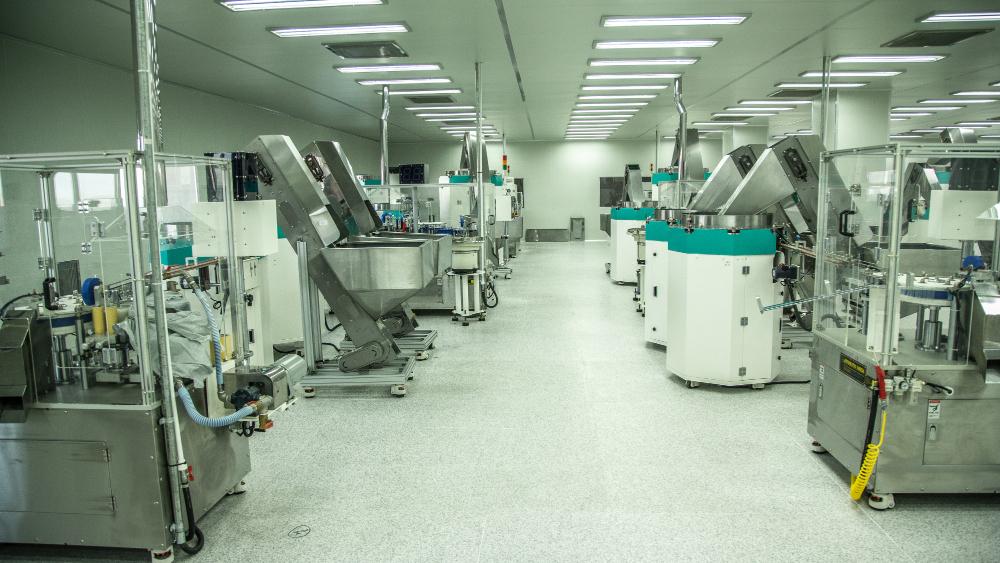
Compressed air is a critical utility in pharmaceutical manufacturing, supporting pneumatic equipment, packaging systems, filling lines, instrumentation, process controls, and selected cleaning or drying applications. Because compressed air may come into direct or indirect contact with products, equipment, containers, or packaging surfaces, maintaining consistent air quality is essential.
Pharmaceutical compressed air must be managed carefully to control moisture, oil, particles, microorganisms, and other contaminants that can enter the air stream. At the same time, the system must maintain stable pressure, reliable flow, and efficient operation across changing production conditions.
For pharmaceutical manufacturers in Australia, maintaining compressed air quality and system performance requires more than routine compressor servicing. Dryers, filters, piping, condensate drains, controls, monitoring equipment, and preventive maintenance practices all play an important role.
A whole-system approach helps manufacturers protect air purity while improving equipment reliability and long-term energy efficiency.
Why Compressed Air Quality and Performance Must Be Managed Together
Compressed air quality and system performance are closely connected.
A system may deliver clean air but still operate inefficiently because of pressure losses, leaks, or poor compressor control. Similarly, a highly efficient system is not suitable for pharmaceutical applications if it cannot deliver the required air purity.
In compressed air pharmaceutical industry environments, manufacturers must balance air quality, pressure stability, reliability, and energy efficiency.
This requires regular monitoring of both air purity and system operating conditions.
Important factors include:
-
Air flow
-
System pressure
-
Pressure dew point
-
Filter pressure drop
-
Oil concentration
-
Particle levels
-
Leakage
-
Compressor energy consumption
Tracking these factors can help identify developing problems before they affect production.
Control Moisture Throughout the System
Moisture is one of the most common contaminants found in compressed air.
Atmospheric air naturally contains water vapour. During compression, this moisture becomes concentrated. As compressed air cools, water can condense inside receivers, filters, piping, and equipment.
Excess moisture can contribute to corrosion, equipment damage, reduced filter performance, and conditions that may support microbial growth.
Maintaining pharmaceutical compressed air quality therefore requires effective moisture control.
Compressed air dryers should be selected according to the required pressure dew point.
Refrigerated dryers may be suitable for some general applications, while more sensitive pharmaceutical processes may require desiccant dryers capable of achieving significantly lower pressure dew points.
Dryer performance should also be monitored regularly because declining performance can allow moisture levels to increase without being immediately visible.
Maintain Filters at the Correct Intervals
Filtration is essential for controlling particles, aerosols, and other contaminants within a compressed air network.
Different filters perform different functions.
Particulate filters remove solid contaminants such as dust, rust, and pipe debris.
Coalescing filters remove fine liquid aerosols and moisture.
Activated carbon filters may be used where hydrocarbon vapour control is required.
For selected high-purity applications, sterile filtration may also be used close to the point of use.
Filters should be inspected and replaced according to operating conditions and maintenance recommendations.
As filters become loaded with contaminants, pressure drop increases.
This can reduce downstream pressure and force compressors to operate harder, increasing energy consumption.
Regular filter maintenance therefore supports both air quality and system efficiency.
Monitor Pharmaceutical Compressed Air Quality Regularly
Compressed air quality should not be assumed simply because a high-quality compressor, dryer, and filtration system has been installed.
System conditions can change over time.
Filters become saturated, dryers lose efficiency, condensate drains may fail, and piping can deteriorate.
Routine testing helps verify that pharmaceutical compressed air continues to meet the required specifications.
ISO 8573-1 is widely used to classify compressed air purity based on particles, water, and oil.
Depending on the application, routine monitoring may include:
-
Particle concentration
-
Oil content
-
Pressure dew point
-
Microbiological testing where required
Testing frequency should be based on application sensitivity, production risk, and internal quality requirements.
Regular monitoring can also provide trend data that helps identify gradual system deterioration.
Why Oil Free air Compressor Technology Can Help
Oil contamination is an important consideration in sensitive pharmaceutical compressed air applications.
Traditional oil-lubricated compressor systems use oil during the compression process. Although downstream filtration can remove oil aerosols and other contaminants, manufacturers may prefer to reduce this potential contamination source.
This is one reason oilless air compressors are considered for many pharmaceutical applications.
Oil-free technologies prevent lubricating oil from entering the compression chamber.
An electric oil free air compressor can therefore help reduce the risk of compressor-generated oil entering the compressed air stream.
This can be particularly valuable where compressed air interacts with products, packaging, sensitive surfaces, or laboratory equipment.
However, oil-free technology does not eliminate the need for drying and filtration because ambient air can still contain moisture, particles, microorganisms, and hydrocarbon vapours.
Inspect and Maintain Compressed Air Piping
The distribution system plays a major role in maintaining air quality.
Compressed air can leave the compressor room at the correct purity level and still become contaminated before reaching production equipment.
Poor-quality or corroded piping can introduce rust, scale, and other particles.
Incorrect drainage can allow condensate to accumulate.
Undersized pipes can create excessive pressure loss.
Maintaining pharmaceutical compressed air quality therefore requires regular inspection of the piping network.
Manufacturers should check for:
-
Corrosion
-
Moisture accumulation
-
Damaged fittings
-
Pipe restrictions
-
Incorrect drainage
-
Excessive pressure drop
Suitable piping materials and correct system design can help reduce contamination risks while improving pressure stability.
Manage Condensate Correctly
Condensate is produced as moisture is removed from compressed air.
It can collect inside air receivers, separators, filters, dryers, and low points in the distribution system.
Automatic drains are commonly used to remove condensate.
However, drains can become blocked or fail over time.
If condensate is not removed effectively, moisture may remain in the system and affect both air quality and equipment reliability.
Condensate drains should therefore be inspected as part of routine preventive maintenance.
Facilities should also ensure that condensate is managed in accordance with appropriate environmental and operational requirements.
Detect and Repair Compressed Air Leaks
Leaks are one of the most common causes of poor compressed air system performance.
They frequently occur around hoses, valves, fittings, connectors, regulators, drains, and production equipment.
Even small leaks can waste considerable amounts of air when they remain active continuously.
In compressed air pharmaceutical industry systems, leakage can increase electricity consumption while also contributing to pressure instability.
Manufacturers should implement a regular leak detection and repair program.
Ultrasonic leak detection can be particularly useful in noisy production environments because it can identify leaks that may be difficult to hear.
Leaks should be documented, prioritised, repaired, and checked again after maintenance.
Maintain Stable System Pressure
Pressure stability is important for pharmaceutical production equipment.
Filling machines, packaging lines, pneumatic controls, actuators, and other automated equipment may depend on consistent compressed air pressure.
When pressure drops occur, the first response should not automatically be to increase compressor discharge pressure.
Higher pressure increases energy consumption and can increase air leakage.
Instead, manufacturers should identify the cause of pressure loss.
Typical causes include:
-
Dirty filters
-
Restricted dryers
-
Undersized piping
-
Excessive leaks
-
Insufficient storage
-
Sudden production demand
Correcting these issues can help restore stable pressure without unnecessarily increasing compressor energy use.
Check Compressor Sizing and Operating Patterns
Compressor sizing has a major impact on system performance.
An undersized compressor may struggle to maintain pressure during peak demand.
An oversized compressor may cycle inefficiently or operate unloaded for extended periods.
Manufacturers should compare actual compressed air demand with compressor capacity.
The correct compressor configuration should account for average flow, peak demand, operating pressure, production hours, leakage, and future growth.
Where demand changes significantly throughout the production cycle, variable speed drive technology may improve efficiency.
A variable speed compressor adjusts output according to actual demand rather than operating continuously at full capacity.
Maintain Oilless Air Compressors Properly
Although oilless air compressors reduce the risk of oil contamination during compression, they still require regular maintenance.
Mechanical components, cooling systems, filters, dryers, controls, and downstream equipment must all be serviced appropriately.
An electric oil free air compressor should be maintained according to its operating conditions and service schedule.
Preventive maintenance helps protect compressor efficiency, reliability, and air quality.
Neglecting maintenance can result in reduced output, increased energy consumption, pressure instability, or unexpected equipment failure.
Oil-free technology should therefore be treated as part of a complete maintenance strategy rather than as a maintenance-free solution.
Monitor Dryer and Filter Pressure Drop
Pressure drop across dryers and filters can significantly affect compressor performance.
As resistance increases, the compressor may need to operate at a higher discharge pressure to maintain adequate pressure at the point of use.
This increases electricity consumption.
Monitoring differential pressure across filtration and drying equipment can help identify when components are becoming restrictive.
Replacing filters or servicing equipment at the right time can improve both efficiency and reliability.
This is particularly important in pharmaceutical compressed air systems where treatment equipment is essential for maintaining air purity.
Use Preventive Maintenance Rather Than Reactive Repairs
Reactive maintenance often begins only after equipment has failed or production has been affected.
Preventive maintenance aims to identify problems before they cause significant downtime.
A compressed air maintenance program should include:
-
Compressor servicing
-
Filter replacement
-
Dryer inspections
-
Condensate drain checks
-
Leak detection
-
Pressure monitoring
-
Air quality testing
-
Piping inspections
-
Compressor control checks
Maintenance activities should be documented so that performance trends can be reviewed over time.
This can help manufacturers understand which components require frequent attention and where system improvements may be needed.
Improve Energy Efficiency Without Compromising Air Quality
Compressed air can consume a significant amount of electricity, making energy performance an important consideration.
However, efficiency improvements must not compromise required air quality.
For example, reducing dryer performance or removing filtration stages simply to save energy may increase contamination risks.
The better approach is to reduce unnecessary energy losses.
This can include repairing leaks, optimising pressure, maintaining clean filters, improving piping, correctly sizing compressors, and coordinating multiple machines efficiently.
In compressed air pharmaceutical industry applications, efficiency should always be balanced with contamination control and process reliability.
Consider Compressor Controls and System Automation
Facilities using multiple compressors may benefit from central control systems.
Without coordinated controls, several compressors may operate inefficiently at partial load.
A central controller can help determine which compressors should operate based on real-time air demand.
It may also help maintain a tighter pressure range and reduce unnecessary compressor cycling.
For facilities requiring standby capacity, automated controls can improve efficiency while maintaining redundancy.
Monitoring systems can also provide useful data on air flow, pressure, energy consumption, and compressor status.
This information can support better maintenance and energy management decisions.
Review the System as Production Changes
Pharmaceutical production is not static.
New production lines, packaging equipment, automation, or expanded shifts can change compressed air demand.
A system that was correctly sized several years ago may no longer match current requirements.
Manufacturers should therefore periodically review system capacity and performance.
Adding production equipment without assessing compressed air demand can result in pressure instability and excessive compressor operation.
Similarly, removing equipment or reducing production volume may leave the system significantly oversized.
Regular system reviews help ensure that the compressed air infrastructure remains aligned with actual production needs.
Build a Long-Term Compressed Air Maintenance Strategy
Maintaining pharmaceutical compressed air quality and system performance requires a long-term approach.
The compressor, dryer, filtration, piping, condensate management, storage, controls, and monitoring equipment should all be viewed as parts of one connected system.
Oil-free technologies such as oilless air compressors or an electric oil free air compressor can help reduce the risk of compressor-generated oil contamination in sensitive applications.
However, reliable compressed air still depends on effective drying, filtration, monitoring, and maintenance.
For pharmaceutical manufacturers in Australia, regular air quality testing, leak management, pressure optimisation, piping inspection, and preventive servicing can help maintain both air purity and operational performance.
By managing the entire system rather than focusing only on the compressor, manufacturers can support consistent production, better contamination control, reduced downtime, and more efficient long-term compressed air operation.
FAQ
How can pharmaceutical compressed air quality be maintained?
Pharmaceutical compressed air quality can be maintained through effective drying, appropriate filtration, suitable piping, regular air quality testing, condensate management, and preventive maintenance. Manufacturers should monitor particles, moisture, oil, and other contaminants according to the sensitivity of each application.
Why is maintenance important in compressed air pharmaceutical industry applications?
In compressed air pharmaceutical industry applications, maintenance helps prevent filter restriction, dryer failure, moisture accumulation, leakage, pressure loss, and contamination. Regular servicing supports both compressed air quality and reliable equipment operation.
Are oilless air compressors easier to maintain?
Oilless air compressors reduce the risk of oil entering the compression process, but they still require regular maintenance. Mechanical components, cooling systems, filters, dryers, controls, and other supporting equipment must be inspected and serviced to maintain reliable performance.
How does an electric oil free air compressor support pharmaceutical air quality?
An electric oil free air compressor prevents lubricating oil from entering the compression chamber, helping reduce one potential source of oil contamination. However, drying and filtration are still required because incoming atmospheric air can contain moisture, particles, microorganisms, and hydrocarbons.
How often should pharmaceutical compressed air systems be inspected?
Inspection frequency should depend on production conditions, equipment usage, contamination risk, and internal maintenance requirements. Routine checks of filters, dryers, drains, pressure, leaks, piping, and air quality can help identify developing issues before they affect production performance.

 Arabic
 Français
 Español
 Português
 Deutsch
 Türkçe
 Dutch
Dutch
 Italiano
 Russian
 Romaian