


Web Development Introduction: How Responsive Websites Improve User Experience
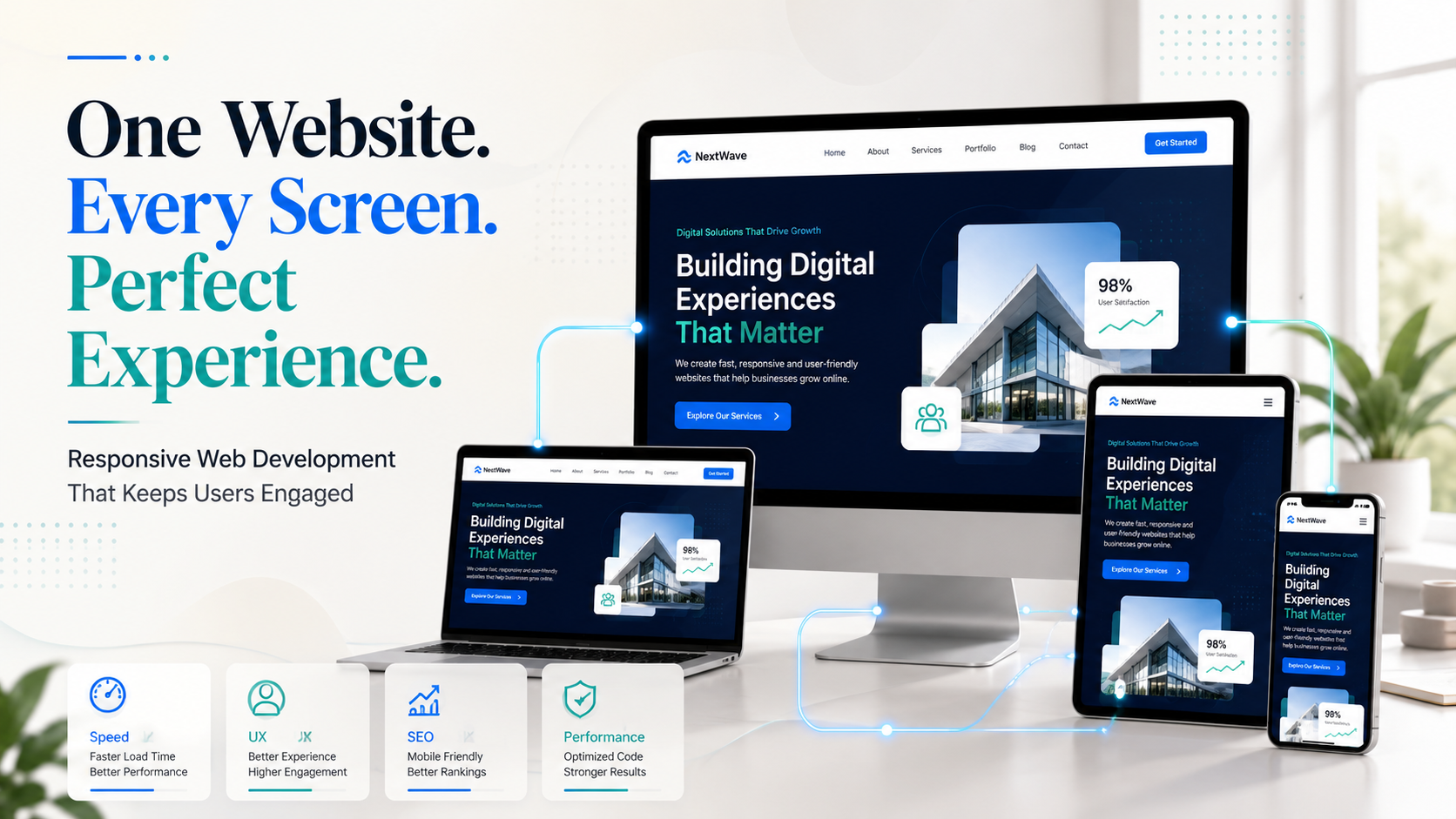
Today, people browse websites on smartphones, tablets, laptops, desktops, and even smart TVs. Visitors expect every website to load quickly, display perfectly, and function smoothly regardless of the device they use. If a website fails to provide that experience, users often leave within seconds.
This is where responsive web development becomes essential.
A proper web development introduction begins with understanding that websites are no longer designed for desktop users alone. Modern websites must automatically adjust to different screen sizes, resolutions, and devices while maintaining excellent usability.
Responsive web development has become a fundamental requirement for businesses that want to improve customer experience, increase engagement, and strengthen their online presence.
What Is Responsive Web Development?
Responsive web development is the process of designing and developing websites that automatically adapt to different devices and screen sizes.
Instead of creating separate websites for desktop and mobile users, developers build one flexible website that responds dynamically to the user's device.
Whether someone visits your website using a smartphone, tablet, laptop, or desktop computer, the layout, images, navigation, and content adjust automatically for the best viewing experience.
Understanding this concept is one of the first lessons in any web development introduction because it forms the foundation of modern website development.
Why User Experience Matters?
User experience (UX) refers to how easily visitors can interact with a website.
A positive user experience means visitors can:
- Find information quickly
- Read content comfortably
- Navigate without confusion
- Complete actions easily
- Enjoy fast loading pages
When users struggle to browse a website, they often abandon it and move to a competitor.
Responsive design helps eliminate these frustrations by ensuring consistency across all devices.
Mobile Users Continue to Dominate Internet Traffic
Mobile devices now account for a significant share of global website traffic.
Customers use smartphones to:
- Shop online
- Read blogs
- Book appointments
- Compare products
- Contact businesses
- Watch videos
- Complete payments
A website that performs poorly on mobile devices risks losing valuable customers.
Responsive web development ensures businesses provide the same high-quality experience regardless of screen size.
Faster Loading Improves User Satisfaction
Website speed directly affects user experience.
Visitors expect websites to load almost instantly.
Responsive development improves loading speed by:
- Optimizing images
- Using flexible layouts
- Compressing files
- Reducing unnecessary code
- Loading resources efficiently
Fast-loading websites keep users engaged while reducing bounce rates.
Better Navigation Creates Happier Visitors
Navigation becomes challenging when websites are not designed for smaller screens.
Buttons become difficult to tap.
Menus overlap.
Text becomes unreadable.
Responsive websites solve these issues by providing:
- Mobile-friendly menus
- Larger touch targets
- Clear navigation
- Consistent layouts
- Improved readability
Simple navigation encourages visitors to explore more pages and spend more time on the website.
Responsive Design Supports Better SEO
Search engines prioritize websites that provide excellent user experiences.
Responsive websites often perform better because they offer:
- Faster loading speeds
- Lower bounce rates
- Better mobile usability
- Easier crawling
- Consistent content
Google also recommends responsive design as the preferred approach for mobile-friendly websites.
A strong web development introduction should always include the relationship between responsive design and search engine optimization.
Higher Engagement Leads to Better Results
Visitors are more likely to interact with websites that function smoothly.
Responsive websites encourage users to:
- Read more articles
- View additional products
- Submit inquiry forms
- Download resources
- Contact businesses
- Make purchases
Improved engagement directly contributes to higher conversion rates.
Consistent Branding Across Every Device
Brand consistency builds trust.
Responsive development ensures that logos, colors, typography, images, and messaging remain consistent across all devices.
Whether users visit from a phone or desktop computer, they experience the same professional brand identity.
This consistency strengthens credibility and improves customer confidence.
Easier Maintenance Saves Time
Years ago, many businesses maintained separate desktop and mobile websites.
This created duplicate work and higher maintenance costs.
Responsive development eliminates that problem.
Businesses only need to manage one website, making updates faster and more cost-effective.
This also reduces technical complexity while improving long-term scalability.
Responsive Websites Improve Accessibility
Modern websites should be usable by everyone, including people with disabilities.
Responsive development often includes accessibility best practices such as:
- Readable fonts
- Proper color contrast
- Keyboard navigation
- Screen reader compatibility
- Flexible layouts
Accessible websites provide better experiences for all visitors while meeting modern web standards.
Industries That Benefit from Responsive Websites
Nearly every industry benefits from responsive web development, including:
- Healthcare
- Education
- Retail
- Finance
- Real Estate
- Hospitality
- Manufacturing
- Logistics
- Professional Services
- Technology
Regardless of industry, users expect websites to function seamlessly across every device.
Common Features of Responsive Websites
Modern responsive websites typically include:
- Flexible grids
- Responsive images
- Mobile navigation menus
- Fluid layouts
- Touch-friendly buttons
- Optimized typography
- Cross-browser compatibility
- Fast loading performance
- Secure architecture
- SEO-friendly structure
These features work together to create a smooth browsing experience.
Future Trends in Responsive Web Development
Responsive development continues evolving alongside new technologies.
Some emerging trends include:
- AI-powered personalization
- Progressive Web Apps (PWAs)
- Voice search optimization
- Motion UI
- Dark mode support
- Advanced performance optimization
- Core Web Vitals improvements
Businesses adopting these innovations will continue delivering exceptional digital experiences.
Conclusion
Responsive web development is no longer optional—it is an essential part of building modern websites that deliver outstanding user experiences. From improving navigation and loading speed to increasing SEO performance and customer engagement, responsive design helps businesses meet the expectations of today's users.
If you're planning to build a modern, scalable, and user-friendly website, partnering with experts in web development services can help you create a responsive website that supports long-term business growth.
Frequently Asked Questions
What is responsive web development?
Responsive web development is the practice of creating websites that automatically adapt to different screen sizes and devices, ensuring an optimal user experience.
Why is responsive design important?
Responsive design improves usability, loading speed, SEO performance, accessibility, and customer satisfaction across all devices.
Does responsive web design improve SEO?
Yes. Responsive websites provide better mobile usability, faster loading speeds, and improved user experience, all of which contribute to better search engine rankings.
Can responsive websites increase conversions?
Yes. A smooth browsing experience encourages visitors to stay longer, engage with content, and complete desired actions such as purchases or inquiries.
Which businesses need responsive websites?
Every business with an online presence—including eCommerce stores, healthcare providers, educational institutions, real estate agencies, startups, and enterprises—benefits from responsive web development.

 English
 Arabic
 Français
 Español
 Português
 Deutsch
 Türkçe
 Dutch
Dutch
 Italiano
 Russian