


Why Commercial Buildings Need Preventive Pest Control Plans
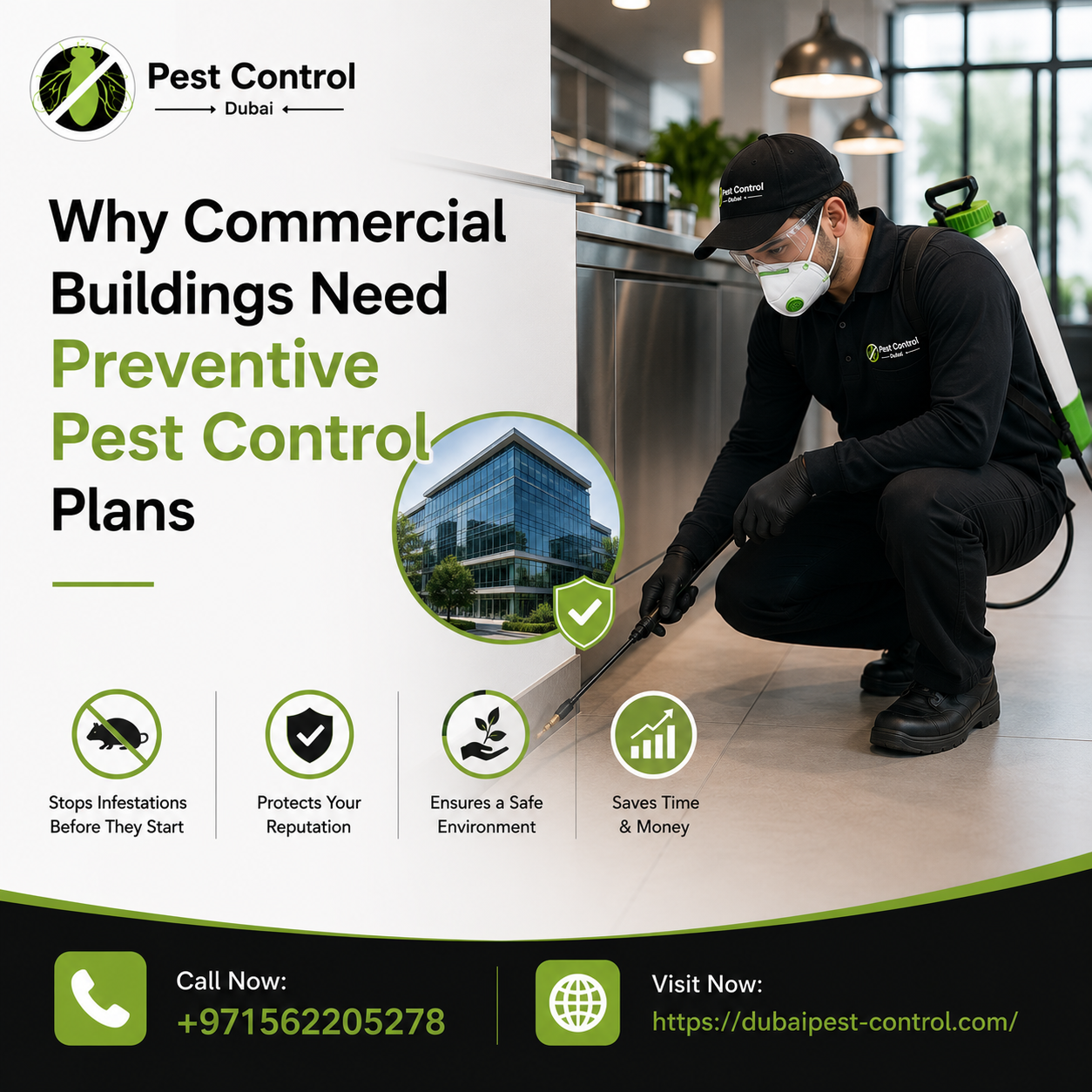
Anyone who manages a commercial property in Dubai will tell you the same thing eventually: pests don't announce themselves politely. One week everything looks fine, and the next, someone spotted droppings near the stockroom or a customer asked why there's a cockroach near the till. At Pest Control Dubai, we've handled enough of these calls over the years to know that by the time a business notices a problem, it's usually been building for weeks already. That's the whole case for prevention. A proper Pest Control Dubai plan isn't about reacting to what's already crawled in; it's about making sure nothing gets that far in the first place. Below, we'll go through why this matters more than most owners assume, what an actual prevention plan looks like day to day, and a few real situations where getting ahead of things saved a business from a much bigger headache.
Why Pest Control Dubai Should Be a Priority for Commercial Properties
Dubai's climate doesn't help. The heat, combined with humidity that creeps up during certain months, gives pests exactly the conditions they need to breed quickly and quietly. Add in the sheer traffic that commercial buildings deal with — deliveries, staff shifts, customers coming and going all day — and you've got dozens of small opportunities for something to slip through.
It's not one-size-fits-all either. A few things worth keeping in mind:
-
Restaurants and food courts attract different pests than warehouses or office towers do, simply because of what's stored and how often food waste is generated
-
Buildings with shared walls or connecting service corridors often see pests migrate from one tenant's space to another
-
A single infestation, even a small one, can trigger health code violations or, in worse cases, a temporary shutdown
-
Fixing a problem after it's already spread almost always costs more than catching it early would have
The Real Cost of Ignoring Pest Prevention
Financial Losses Add Up Faster Than You'd Think
Damaged stock is the obvious one. A restaurant or grocery tenant can lose thousands of dirhams in spoiled inventory from a single rodent incident. Less obvious is the structural side — rats and mice chew through wiring and insulation, and that kind of damage often stays hidden until an electrician or maintenance crew stumbles across it months later. By then, the repair bill looks nothing like what a routine inspection would have cost.
Reputation Doesn't Recover Overnight
This part gets underestimated constantly. One review mentioning pests, posted on Google or shared on social media, can shape how dozens of potential customers see a business before they've even walked through the door. Commercial spaces, especially in hospitality and retail, live and die by first impressions, and there's no real "undo" button once that kind of story starts circulating.
Legal and Compliance Pressure Is Real
Dubai Municipality doesn't take hygiene lightly, particularly for food service and hospitality operators. Non-compliance can mean fines, license suspensions, or worse. On the flip side, having a documented history of regular pest control visits works in a business's favor during inspections — it's proof that due diligence was actually happening, not just claimed after the fact.
What a Preventive Pest Control Plan Actually Includes
Routine Inspections
Most commercial properties do fine with monthly or quarterly visits, though it depends heavily on the type of business. Technicians typically check the usual suspects — loading docks, drainage lines, utility openings — the places pests actually use to get in. Catching activity here, while it's still small, is the difference between a quick fix and a full-blown treatment plan later.
Treatment That Fits the Building
A warehouse doesn't need the same approach as a boutique office or a busy café. Treatments get tailored to the space, and wherever possible, they're scheduled around off-peak hours so operations aren't disrupted. There's also been a noticeable shift toward low-odor, eco-conscious products, especially in spaces where people are present most of the day.
Getting Staff Involved
Employees notice things first, more often than not. A staff member restocking shelves or clearing out a storeroom is usually the first to spot droppings or gnaw marks, long before a technician's next scheduled visit. Some basic training — proper waste disposal, sealed food storage, reporting anything unusual — turns the whole team into an early warning system without much extra effort.
Keeping Records That Actually Mean Something
Digital logs of pest activity help property managers spot patterns across seasons instead of guessing. These reports also come in handy for tenants and regulators alike, since they show a clear, ongoing effort rather than a one-off spray-and-forget visit. Discreet monitoring stations placed around the property often pick up on activity long before it's visible to the naked eye.
Real-World Scenarios Where Prevention Made the Difference
A shopping mall we worked with avoided what could've turned into a serious cockroach outbreak, purely because a technician noticed early signs near the food court drainage during a routine quarterly check. An office tower cut down ant activity near its pantry area just by adjusting how often waste bins were emptied, a change suggested during a standard inspection. A logistics warehouse, meanwhile, avoided significant damage to stored goods after exterior gaps were flagged and sealed before rodents ever got a foothold inside.
None of these are dramatic stories. That's the point. Prevention isn't glamorous, and it doesn't need to be. Through years of doing this across Dubai's commercial districts, our team at Pest Control Dubai has consistently seen that the buildings staying pest-free are simply the ones treating inspections as routine maintenance, not as damage control after the fact.
Choosing the Right Pest Control Partner
Not every provider approaches this the same way, so it's worth asking a few questions before signing on. Are they licensed, and do they actually understand Dubai's climate and the building types common here? How often do they inspect, and what does their reporting look like? A good partner should be teaching your staff along the way, not just showing up, spraying, and leaving. Longer-term contracts also tend to work out better on price and consistency compared to booking one-off visits whenever something goes wrong.
FAQs
1. How often should a commercial building actually get inspected? It depends on what kind of place you're running. A regular office can probably get by on a quarterly check, but if you're dealing with food storage or a busy kitchen, monthly visits make a lot more sense — those spaces just attract more activity.
2. What pests do businesses in Dubai usually end up dealing with? Cockroaches and rodents top the list, honestly, followed by ants and the occasional termite issue. Which one shows up depends a lot on the type of building — a warehouse has different problems than a retail store or an office pantry.
3. Isn't preventive pest control just an extra cost businesses don't need? It feels that way at first, sure. But talk to anyone who's had to deal with an actual infestation, and they'll tell you the emergency treatment and repair bill ended up costing way more than a few scheduled visits ever would have.
4. Will pest control visits get in the way of running the business? Not if the provider knows what they're doing. Most schedule around off-peak hours or after closing, so staff and customers barely notice anything happened.
5. Does having a pest control plan actually help during Municipality inspections? It does, yes. Having a paper trail of regular visits shows you've been taking hygiene seriously all along, not scrambling to fix things right before an inspector shows up.
Conclusion
Preventive pest management isn't really about dodging one bad moment when a rodent shows up in the break room. It's about protecting property value, staying on the right side of compliance, and keeping the trust that clients and tenants place in a business every single day. A well-structured Pest Control Dubai plan gives owners something closer to peace of mind — the knowledge that small issues get caught before they turn into expensive emergencies. If your building hasn't had a proper inspection in a while, or if pest problems keep resurfacing in a warehouse or office space, our team is ready to take a look. For anything specifically rodent-related, our Rodent Control Services in Dubai focus on lasting solutions rather than a quick, temporary fix. Don't wait until something shows up on its own; get in touch with Pest Control Dubai and keep your commercial space protected all year round.

 Arabic
 Français
 Español
 Português
 Deutsch
 Türkçe
 Dutch
Dutch
 Italiano
 Russian
 Romaian