


Wine and Food Pairing Made Simple: Practical Guide
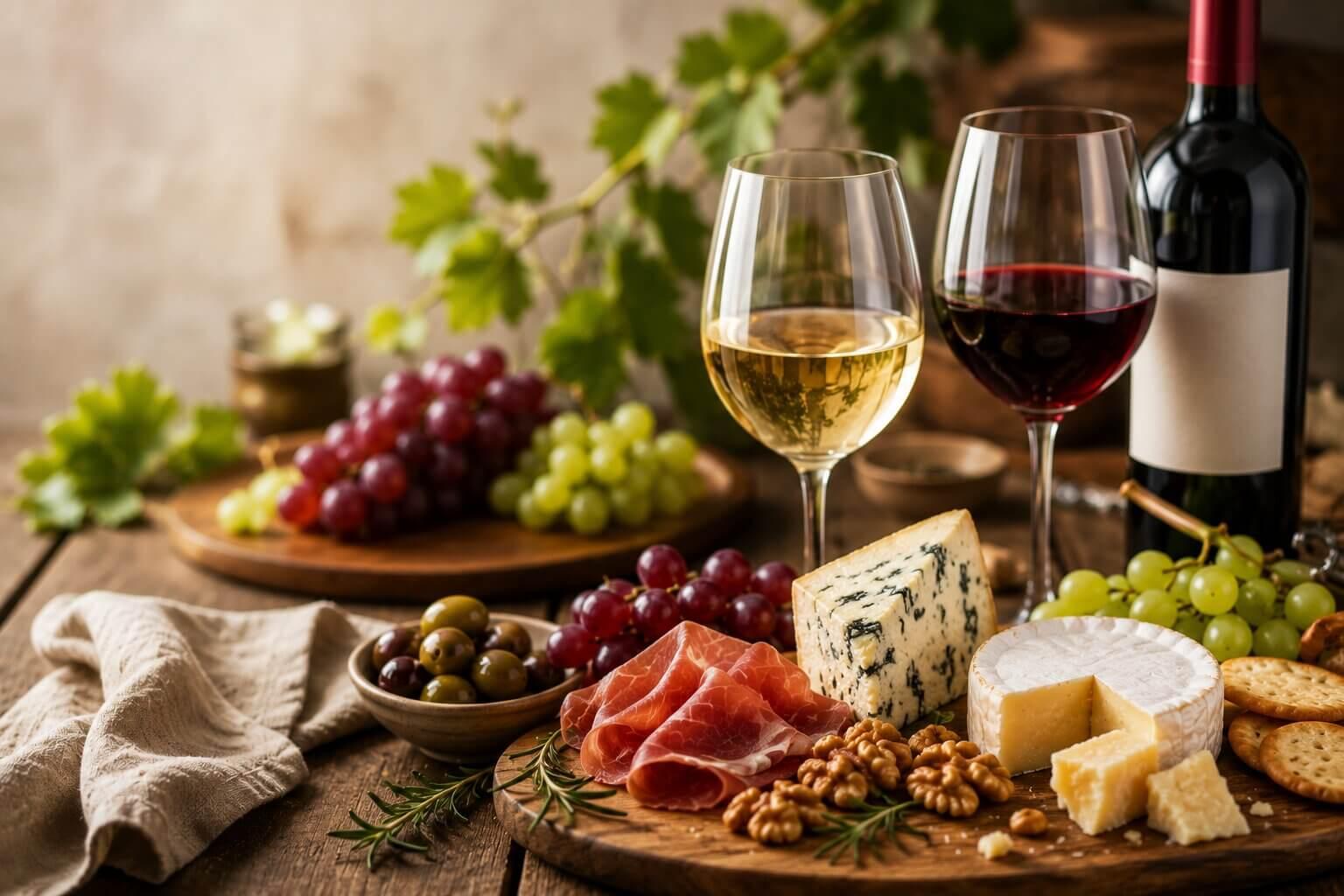
Wine and Food Pairing Made Simple: A Practical Guide for Every Occasion
Most people overthink wine pairing. The truth is, you don't need to memorise dozens of rules or buy expensive bottles to enjoy a great meal. Understanding a few simple principles can help you confidently pair wine with everyday dinners, celebrations, or casual get-togethers.
Whether you're serving Italian pasta, a cheese board, grilled steak, or chocolate desserts, the right wine can enhance flavours and make the experience even more enjoyable.
Why Wine Pairing Matters
Wine and food work best when they complement rather than compete with each other. A balanced pairing can highlight flavours, improve texture, and create a more memorable dining experience.
- Enhances both the food and the wine
- Creates better balance of flavours
- Makes meals feel more complete
- Helps you choose wine with confidence
The Four Basic Wine Pairing Principles
1. Match the Intensity
A light salad or grilled fish usually pairs better with delicate white wines, while rich dishes like steak or roast lamb need fuller-bodied reds.
- Grilled fish → Sauvignon Blanc
- Roast chicken → Pinot Noir
- Steak → Cabernet Sauvignon
2. Balance Acidity
Tomato-based dishes naturally pair well with wines that have bright acidity. Italian wines like Chianti or Sangiovese are excellent examples.
3. Sweetness Matters
If you're serving dessert, the wine should generally be as sweet as—or sweeter than—the dessert itself.
- Moscato with fruit desserts
- Port with dark chocolate
- Ice wine with cheesecake
4. Think Regional
One of the easiest rules to remember is that wines often pair beautifully with foods from the same region.
For example, traditional Italian dishes work wonderfully with Italian wines. Readers interested in regional pairings can explore this detailed Italian wine and food pairing guide.
Popular Food and Wine Pairings
Cheese
Cheese offers endless pairing possibilities because every variety has its own texture and flavour profile.
| Cheese | Recommended Wine |
|---|---|
| Brie | Champagne |
| Goat Cheese | Sauvignon Blanc |
| Aged Cheddar | Cabernet Sauvignon |
| Blue Cheese | Port |
If you're planning a gathering, this helpful guide on wine and cheese pairing offers additional inspiration for creating memorable food and wine combinations.
Chocolate
Chocolate changes how wine tastes, so choosing the right combination makes a noticeable difference.
- Milk Chocolate → Merlot
- Dark Chocolate → Cabernet Sauvignon
- White Chocolate → Moscato
Italian Cuisine
| Dish | Wine |
|---|---|
| Margherita Pizza | Chianti |
| Lasagna | Sangiovese |
| Mushroom Risotto | Pinot Noir |
| Seafood Pasta | Pinot Grigio |
Steak and Grilled Meats
Rich meats benefit from wines with firm tannins and bold flavours.
- Cabernet Sauvignon
- Malbec
- Syrah
- Bordeaux blends
Seafood
Fresh seafood generally pairs well with crisp, refreshing white wines.
- Sauvignon Blanc
- Pinot Grigio
- Albariño
- Unoaked Chardonnay
Sparkling Wine Is More Versatile Than You Think
Many people associate sparkling wine with celebrations, but it also pairs surprisingly well with everyday foods.
- Fried chicken
- Sushi
- Soft cheeses
- Seafood
- Brunch dishes
Common Wine Pairing Mistakes
- Ignoring the sauce instead of the main ingredient.
- Choosing the most expensive bottle instead of the most suitable one.
- Serving dry wine with very sweet desserts.
- Serving wine at the wrong temperature.
Quick Tips for Hosting
- Offer both red and white wines for mixed menus.
- Serve sparkling wine as a versatile crowd-pleaser.
- Don't overcomplicate the pairings—simple combinations often work best.
- Keep wines properly chilled before serving.
Frequently Asked Questions
Does red wine always pair with red meat?
No. The sauce and cooking method often influence the pairing more than the meat itself.
Can white wine be served with chicken?
Absolutely. Sauvignon Blanc and Chardonnay pair beautifully with many chicken dishes.
Is sparkling wine only for celebrations?
Not at all. Sparkling wine is one of the most food-friendly wine styles and pairs well with many everyday meals.
Final Thoughts
Wine pairing doesn't have to be intimidating. By understanding a few basic principles—matching intensity, balancing acidity, considering sweetness, and pairing regional foods with regional wines—you can enjoy better meals without overthinking every bottle.
The best pairing is ultimately the one you enjoy most. Experiment, discover new favourites, and remember that wine is meant to enhance the experience, not complicate it.

 Arabic
 Français
 Español
 Português
 Deutsch
 Türkçe
 Dutch
Dutch
 Italiano
 Russian
 Romaian