


Tips to Help You Buy Insurance With the Right Coverage
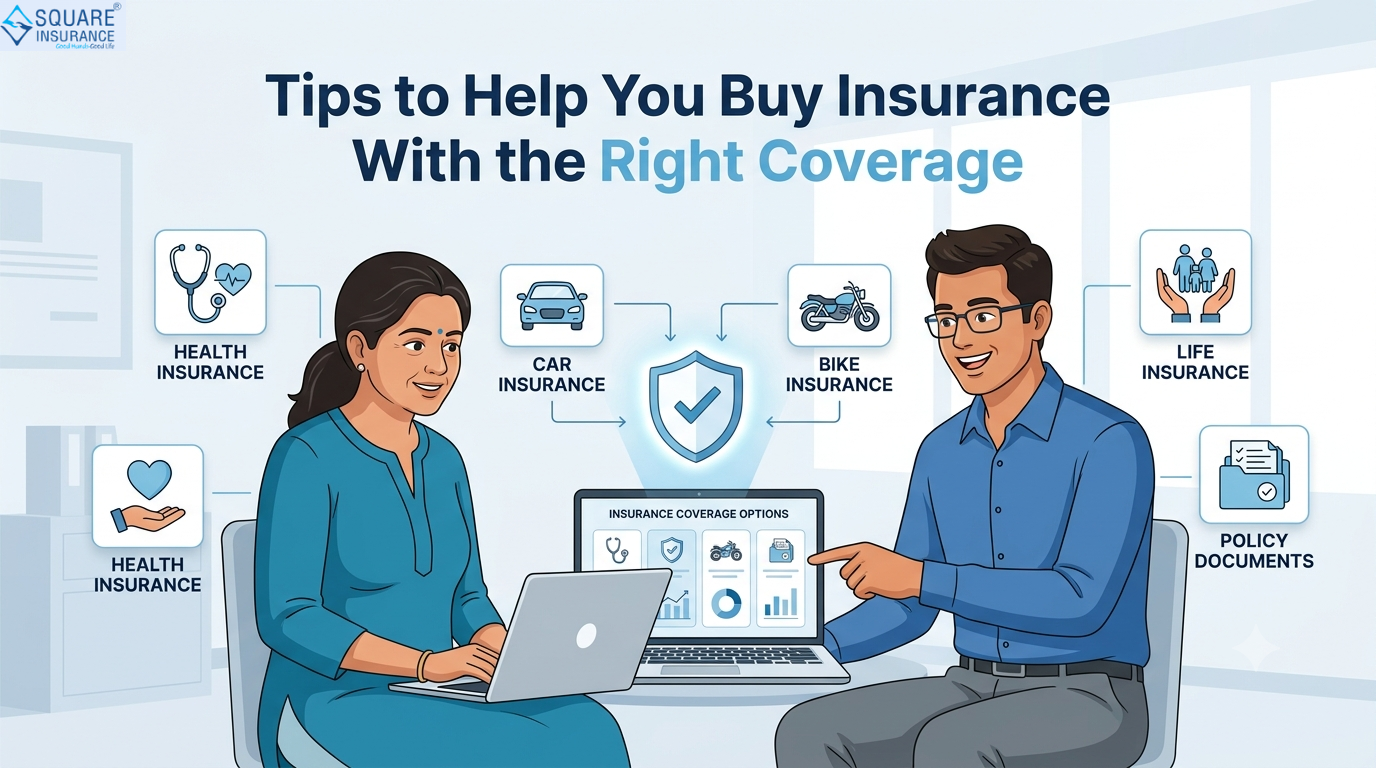
Buying insurance is an important financial decision that can help protect you, your family, vehicle, health, property, or business against unexpected financial losses. However, choosing the right insurance policy can sometimes feel confusing because there are different types of plans, coverage options, exclusions, deductibles, add-ons, and premium amounts to consider.
The right policy is not necessarily the one with the lowest premium. It is the one that provides suitable protection based on your needs, financial situation, and risk exposure. Whether you are looking to buy health insurance, life insurance, car insurance, bike insurance, or another type of coverage, understanding your requirements before purchasing a policy can help you make a more informed decision.
This guide explains practical tips to help you buy insurance with the right coverage and avoid common mistakes during the selection process.
What Does the Right Insurance Coverage Mean?
The right insurance coverage refers to a policy that offers adequate financial protection against the risks you are most likely to face. The required coverage can differ from one person to another depending on factors such as age, income, lifestyle, assets, dependants, vehicle type, health needs, and financial responsibilities.
For example, a vehicle owner may need coverage against accidents, theft, natural disasters, and third-party liabilities. Similarly, a health insurance buyer may prioritise hospitalisation expenses, pre- and post-hospitalisation costs, and suitable coverage limits.
Therefore, before you buy insurance, consider what you want to protect and the potential financial loss you may face without adequate coverage.
1. Identify Your Insurance Needs
The first step is to understand why you need insurance. Start by identifying the asset, person, or financial responsibility you want to protect.
Ask yourself questions such as:
- What risks do I want to protect against?
- Who needs financial protection?
- What expenses could I struggle to pay in an emergency?
- Do I already have an existing insurance policy?
- Is my current coverage sufficient?
- Are there any gaps in my existing protection?
Your answers can help you determine the type and level of coverage you may need. Avoid purchasing a policy simply because it is popular or has a low premium. Insurance should be selected according to your individual circumstances.
2. Understand Different Types of Insurance
Insurance policies are designed for different purposes. Before buying a plan, understand the basic differences between the available options.
Common types of insurance include:
- Health insurance: Helps cover eligible medical and hospitalisation expenses according to the policy terms.
- Life insurance: Provides financial protection to beneficiaries in case of the policyholder's death, depending on the policy.
- Car insurance: Provides coverage for eligible risks involving insured cars, including third-party liability and, depending on the policy, damage to the insured vehicle.
- Bike insurance: Offers protection for two-wheelers through third-party liability coverage or broader coverage options.
- Travel insurance: Can provide financial protection against certain travel-related risks covered by the policy.
- Home insurance: May protect the home and belongings against specified risks, depending on the policy terms.
Understanding these categories makes it easier to select a plan that matches your specific requirements.
3. Compare Insurance Plans Before You Buy
One of the most useful tips when you buy insurance is to compare multiple policies before making a decision. Comparing plans allows you to evaluate the coverage, premium, exclusions, deductibles, claim-related features, and add-ons available under different options.
Do not compare policies based only on premium. A cheaper policy may provide less coverage or have limitations that may not suit your needs.
When comparing insurance plans, look at:
- Coverage offered
- Sum insured or policy limits
- Premium
- Deductibles
- Exclusions
- Waiting periods, where applicable
- Add-on covers
- Claim process
- Renewal terms
- Policy conditions
A proper comparison can help you understand the overall value of a policy rather than focusing only on the initial price.
4. Check the Coverage Amount Carefully
Choosing an appropriate coverage amount is essential. If the coverage is too low, you may have to pay a significant portion of expenses from your own pocket. On the other hand, unnecessarily high coverage may result in a higher premium without providing meaningful additional value for your situation.
The appropriate coverage depends on the type of insurance you are buying.
For health insurance, consider healthcare costs, family size, age, and medical needs. For life insurance, consider your income, dependants, liabilities, and long-term financial responsibilities. For vehicle insurance, consider the vehicle's value and the level of protection you require.
Review your coverage periodically because your insurance needs can change over time.
5. Read the Policy Terms and Conditions
Before you buy insurance, take time to read the policy wording and understand what is covered and what is not covered.
Pay special attention to:
- Exclusions
- Deductibles
- Coverage limits
- Waiting periods
- Claim conditions
- Renewal requirements
- Cancellation rules
- Policy-specific restrictions
Insurance policies are legal contracts, and the terms and conditions determine the extent of protection available. If you do not understand a particular clause, seek clarification before purchasing the policy.
Being aware of policy conditions can help prevent misunderstandings during the claim process.
6. Understand Exclusions
Exclusions are situations, expenses, or risks that are not covered under an insurance policy. Understanding exclusions is just as important as knowing what the policy covers.
For example, certain medical conditions may have waiting periods under health insurance, while specific types of damage or circumstances may be excluded from vehicle insurance coverage.
Always check the exclusions section before buying insurance. This helps you set realistic expectations about your policy and identify whether you need additional protection.
7. Consider Suitable Add-On Covers
Some insurance policies offer optional add-ons that can extend or customise coverage. However, not every add-on is necessary for every policyholder.
Before selecting an add-on, ask:
- Does it address a genuine risk?
- Is it relevant to my situation?
- How much additional premium will it cost?
- Will it provide meaningful additional protection?
For example, depending on the type of motor insurance policy, customers may consider add-ons that provide additional protection beyond the standard coverage. The availability and terms of add-ons vary by insurer and policy.
Choose add-ons based on your actual requirements rather than selecting every available option.
8. Check the Deductible or Out-of-Pocket Contribution
A deductible is an amount that the policyholder may need to bear before the insurer pays an eligible claim, as specified by the policy.
Policies with higher deductibles may sometimes have lower premiums, but they can increase your financial responsibility when making a claim. Therefore, consider whether you can comfortably manage the deductible if an unexpected event occurs.
Always understand how deductibles work under the specific policy you are considering.
9. Look Beyond the Premium
The premium is an important factor, but it should not be the only consideration when buying insurance.
A policy with a low premium may not always provide the coverage you actually need. Instead of asking only, “Which policy is cheapest?” consider asking, “Which policy provides suitable coverage at a reasonable cost?”
Compare the balance between:
- Price
- Coverage
- Benefits
- Exclusions
- Deductibles
- Service
- Claim support
This approach can help you choose insurance based on value rather than price alone.
10. Understand the Claim Process
The true value of insurance becomes especially important when you need to make a claim. Before buying a policy, understand the insurer's claim process and the documents generally required.
Check whether the insurer provides convenient claim support and clearly explains the steps involved. Also, understand the timelines and conditions mentioned in the policy documents.
Keeping policy documents, receipts, reports, and other relevant records organised can make the claim process easier when required.
11. Choose an Insurer Carefully
The insurance company you select is also an important part of your decision. Look for an insurer with a suitable range of products, transparent policy information, and accessible customer support.
You can consider factors such as:
- Product offerings
- Policy terms
- Claim-related support
- Customer service
- Digital services
- Policy renewal experience
It is also useful to review information available from reliable sources before making a final decision. Avoid selecting an insurer solely because of advertisements or promotional offers.
12. Buy Insurance From a Reliable Platform
Digital insurance platforms can make it easier to compare and purchase policies online. Before buying, make sure you are using a reliable platform that provides clear information about policy features, coverage, exclusions, and premium details.
A digital buying process can help simplify insurance comparison and policy management. However, you should still read the policy details carefully before completing your purchase.
13. Avoid Common Insurance Buying Mistakes
Many policyholders make mistakes because they focus on price or purchase insurance without fully understanding the coverage.
Some common mistakes include:
- Choosing the cheapest policy without comparing coverage
- Buying insufficient coverage
- Ignoring exclusions
- Not checking deductibles
- Selecting unnecessary add-ons
- Providing incorrect information
- Failing to disclose relevant details
- Not reading policy documents
- Forgetting to renew the policy on time
Avoiding these mistakes can help you get more suitable protection from your insurance policy.
14. Provide Accurate Information
When applying for insurance, always provide accurate and complete information. Incorrect or incomplete information can create complications during policy servicing or claims.
For example, when buying motor insurance, ensure that vehicle details and personal information are entered correctly. Similarly, health and life insurance applications should contain accurate information as required by the insurer.
Transparency at the time of purchase can help ensure that the policy reflects your actual circumstances.
15. Review Your Insurance Regularly
Buying insurance is not a one-time decision. Your needs may change as your income, family responsibilities, assets, and lifestyle change.
Review your insurance periodically and ask:
- Has my financial responsibility increased?
- Do I need additional coverage?
- Is my existing coverage still adequate?
- Have my personal circumstances changed?
- Are there new risks I should consider?
Regular reviews can help ensure that your coverage continues to match your needs.
Why Is It Important to Buy the Right Insurance Coverage?
The right insurance coverage can provide financial support when unexpected events create significant expenses. It can reduce financial stress and help you manage risks more effectively.
Some key benefits include:
- Financial protection against covered risks
- Better preparedness for unexpected expenses
- Protection of valuable assets
- Support for dependants and family members
- Greater financial confidence
- Easier risk management
However, remember that every insurance policy has terms, conditions, exclusions, and limitations. The actual protection available depends on the specific policy purchased.
How to Buy Insurance With the Right Coverage?
A simple approach to buying suitable insurance is:
Step 1: Identify what you want to protect.
Step 2: Determine the risks you are most concerned about.
Step 3: Understand the types of insurance available.
Step 4: Compare policies based on coverage, premium, exclusions, and benefits.
Step 5: Select an appropriate coverage amount.
Step 6: Review deductibles, waiting periods, and policy conditions.
Step 7: Consider only relevant add-ons.
Step 8: Check the insurer and claim process.
Step 9: Provide accurate information during the application.
Step 10: Read the policy documents before purchasing.
Step 11: Keep your policy documents safely.
Step 12: Review and renew your policy when required.
Following these steps can make the process of buying insurance more organised and help you select coverage that better suits your needs.
Frequently Asked Questions
Q1. What should I consider before buying insurance?
Before buying insurance, consider your coverage needs, financial situation, premium, policy limits, exclusions, deductibles, add-ons, claim process, and insurer's services.
Q2. Is the cheapest insurance policy always the best?
No. The cheapest policy may not provide sufficient coverage for your requirements. It is better to compare policies based on coverage, exclusions, benefits, service, and overall value.
Q3. Why should I compare insurance plans before buying?
Comparing insurance plans helps you understand differences in coverage, premiums, exclusions, deductibles, and optional benefits. It can help you make a more informed decision.
Q4. What are insurance exclusions?
Exclusions are specific situations, risks, or expenses that are not covered by an insurance policy. You should read them carefully before purchasing a plan.
Q5. Can I customise my insurance coverage?
Depending on the type of insurance and policy, you may be able to customise coverage through available options or add-ons. Always select additional coverage based on your actual requirements.
Q6. How often should I review my insurance policy?
You should review your insurance whenever your personal or financial circumstances change and periodically to check whether your existing coverage remains suitable.
Q7. Can I buy insurance online?
Yes, many types of insurance can be compared and purchased online. Digital platforms can make the process more convenient, but you should always review the policy terms and coverage before completing the purchase.
Conclusion
Buying insurance with the right coverage requires more than simply selecting a policy with the lowest premium. You should first understand your needs, identify the risks you want to protect against, compare available policies, and carefully review coverage limits, exclusions, deductibles, and add-ons.
Whether you are buying health, life, car, bike, or another type of insurance, taking time to understand the policy can help you make a more informed decision. Regularly reviewing your coverage is equally important because your insurance requirements may change over time.
Square Insurance can help simplify the insurance journey by providing a convenient platform to explore, compare, and manage insurance options. By choosing coverage based on your needs and understanding the policy terms before purchasing, you can take a more confident approach to managing financial risks.

 English
 Arabic
 Français
 Español
 Português
 Deutsch
 Türkçe
 Dutch
Dutch
 Italiano
 Romaian