


Managed SOC Provider Explained: How 24/7 Threat Monitoring Actually Works in India
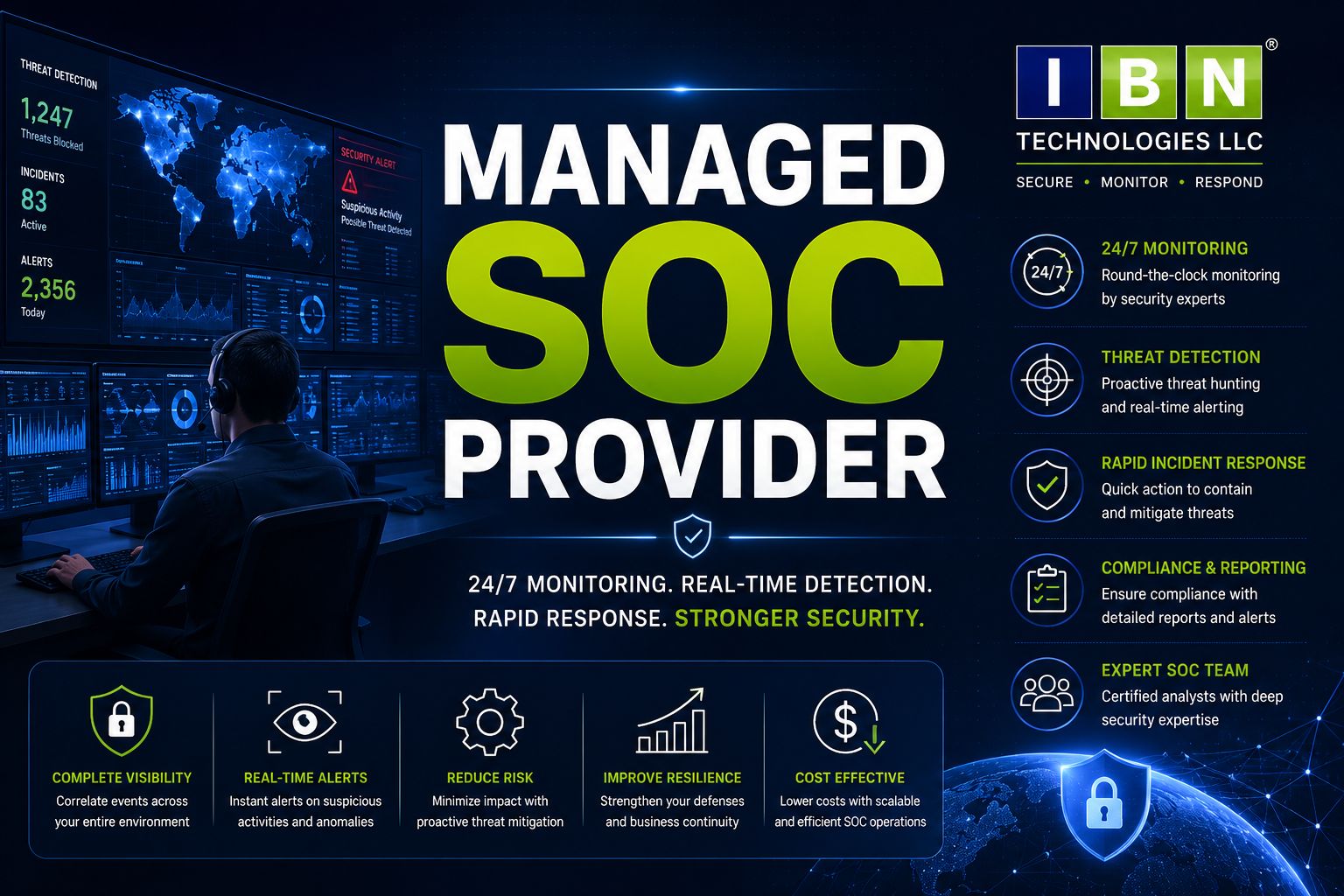
What a Managed SOC Provider Really Does Behind the Scenes
Indian IT companies are under constant pressure to protect client data, source code, and internal systems from attackers who don't work business hours. This is why so many IT leaders now ask a very practical question: what does a managed SOC provider actually do day to day, and how does it keep an organization safe around the clock? A managed SOC is not one tool sitting on a server. It is a coordinated system of people, processes, and technology that continuously watches, investigates, and responds to security events across an environment. For companies handling sensitive workloads or customer databases, understanding this mechanism matters, because it lets IT decision-makers evaluate a provider based on substance rather than a sales pitch.
Why Continuous Monitoring Matters for Indian IT Businesses
India's IT sector runs on trust built over years of client relationships. Global clients expect Indian vendors to meet the same security standards as their own internal teams, and a single missed intrusion can undo that trust quickly. Ransomware, phishing, and insider misuse remain persistent risks across the industry. Most IT teams are already occupied with development timelines, infrastructure upkeep, and client delivery, which means security monitoring often becomes reactive — something addressed after an incident, rather than a continuous discipline.
Why In-House Monitoring Alone Often Falls Short
Many IT firms attempt to manage detection internally using firewall logs, antivirus alerts, or basic cloud-provider notifications. The core problem is volume and correlation. A mid-sized IT company can generate a large number of security events daily across servers, endpoints, and applications, and without a system to correlate and prioritize them, meaningful alerts get buried among routine noise. Internal teams also struggle to sustain genuine 24/7 shift coverage, particularly overnight and on weekends — the exact windows when attackers often move, expecting reduced vigilance.
How a Managed SOC Provider Structures Detection and Response
A managed SOC works through a continuous, repeatable cycle. First, security data from servers, endpoints, cloud workloads, and network devices is centralized through a SIEM (Security Information and Event Management) platform. Second, this data is correlated using behavioral analytics and threat intelligence feeds, which helps separate genuine anomalies from routine activity. Third, trained analysts review flagged incidents around the clock and escalate anything requiring immediate action. Finally, containment steps — such as isolating an affected device or blocking suspicious traffic — happen quickly, limiting how long an attacker can operate inside the environment before being stopped.
IBN Technologies structures this process through its Managed SIEM and SOC services, combining cloud-based log correlation with continuous analyst oversight and AI-assisted detection, so IT teams gain structured, expert-level protection without building an internal security operations function from the ground up.
What to Evaluate When Choosing a Managed SOC Provider
|
Evaluation Area |
What to Look For |
|
Monitoring Coverage |
Genuine 24/7 analyst coverage, not automated alerts alone |
|
Detection Approach |
Behavioral analytics combined with threat intelligence |
|
Response Speed |
Clearly defined incident response timelines |
|
Compliance Support |
Alignment with frameworks like ISO 27001, GDPR, HIPAA, PCI-DSS |
|
Reporting |
Real-time, understandable dashboards for internal stakeholders |
|
Scalability |
Ability to expand coverage as infrastructure grows |
Benefits of Working With a Managed SOC Provider
A properly functioning managed SOC narrows the gap between when a threat first appears and when it is contained. It also removes the operational burden of hiring, training, and retaining a dedicated internal security team, which remains difficult given the ongoing cybersecurity talent shortage across India. IT leaders gain unified visibility across hybrid environments — on-premise systems, cloud platforms, and remote endpoints — through a single reporting layer instead of scattered logs across different tools.
Industry Use Case: Multi-Time-Zone IT Operations
An IT services company managing infrastructure for clients across multiple time zones needs consistent monitoring regardless of when its own staff is active. By routing security events through a managed SOC, the organization ensures a suspicious login attempt occurring outside normal business hours is investigated immediately, rather than discovered the following morning during a routine check.
Best Practices When Adopting a Managed SOC Provider
Start by identifying which systems and data categories are most critical to your operations, since not everything requires the same monitoring depth. Define clear escalation paths so your internal team understands exactly when and how they will be contacted. Ask for sample reports before onboarding so you understand the visibility you will actually receive once live. Review service-level agreements carefully, particularly the specific detection and response time commitments.
Compliance Considerations for IT Companies
For IT firms serving international clients, compliance is often a contractual requirement rather than a choice. A managed SOC provider that structures monitoring around recognized frameworks makes it considerably easier to respond to client security questionnaires and demonstrate ongoing due diligence during vendor audits.
Choosing the right managed SOC provider ultimately comes down to understanding the mechanics behind the service rather than relying on marketing language. When IT leaders understand how detection, correlation, and response actually function, they are far better equipped to ask the right questions and select a partner that genuinely strengthens their security posture.

 English
 Arabic
 Français
 Español
 Português
 Deutsch
 Dutch
Dutch
 Italiano
 Russian
 Romaian