


How Whiskey Production Has Evolved Over the Last Century
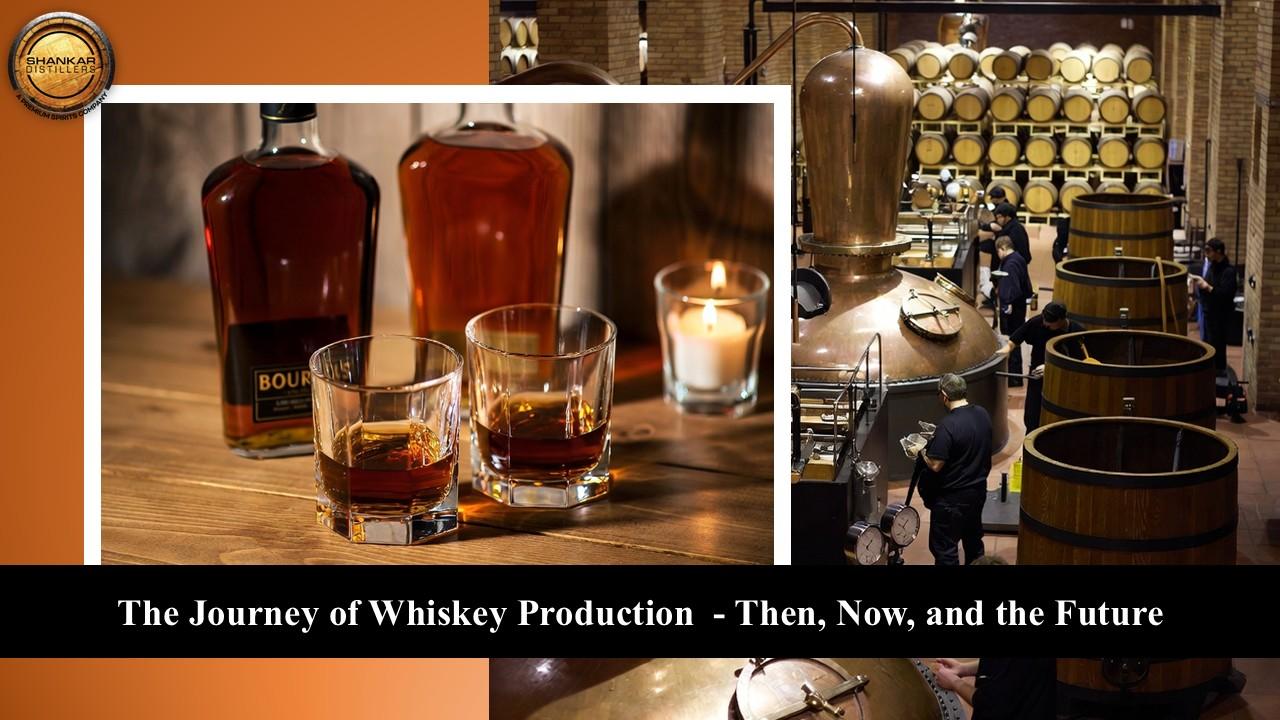
Whiskey production has experienced extraordinary transformation over the last hundred years. What began as a largely manual craft has evolved into a sophisticated process supported by science, precision engineering, and sustainable manufacturing practices. While the industry has embraced technological advancements, the core principles of quality ingredients, careful distillation, patient maturation, and skilled craftsmanship remain unchanged. Today's consumers expect exceptional consistency without sacrificing authenticity, encouraging producers to blend heritage techniques with modern innovation.
A great example of this balance is Shankar Distillers – Premier Whiskey Distillers, where traditional whiskey-making values meet contemporary production excellence. Modern whiskey production demonstrates that innovation can strengthen craftsmanship rather than replace it, resulting in spirits that respect history while meeting today's highest quality standards.
Traditional Whiskey Production: The Foundations of the Industry
The foundations of whiskey production were built upon generations of experience, patience, and craftsmanship. Long before automation and digital monitoring, every stage of production relied on the knowledge and instincts of skilled distillers who understood how each decision influenced the final spirit.
The process begins with selecting quality grains such as corn, rye, barley, or wheat. After milling, these grains are mixed with water to produce mash, which is fermented using carefully selected yeast. During fermentation, yeast converts sugars into alcohol while creating many of the flavor compounds that eventually define the whiskey's character.
Traditional copper pot stills became one of the industry's greatest innovations. Besides producing alcohol, copper naturally removes unwanted sulphur compounds while preserving desirable aromas and Flavors. Distillers carefully monitored temperatures, spirit cuts, and flow rates entirely through experience rather than computerized systems.
Barrel aging has always been equally important. Freshly distilled spirit enters charred oak barrels, where years of interaction with wood, oxygen, humidity, and seasonal temperature changes gradually develop color, aroma, smoothness, and complexity. These natural maturation processes continue to define premium whiskey today.
Even though production volumes were relatively small compared to modern facilities, these traditional methods established the standards upon which today's whiskey industry continues to build.
The Evolution of Distilling Equipment and Production Techniques
The twentieth century introduced major technological breakthroughs that transformed whiskey production. Improved equipment increased production capacity while enhancing consistency and reducing waste without compromising quality.
Steam-powered heating systems gradually replaced traditional direct-fire methods, allowing better temperature control during distillation. More consistent heating reduced scorching risks while improving production efficiency.
Continuous column stills represented one of the industry's most significant developments. Unlike traditional batch-operated pot stills, column stills allowed uninterrupted production, dramatically increasing output while maintaining consistent spirit quality. Nevertheless, pot stills remain highly valued for producing complex premium whiskey styles.
Fermentation technology also evolved considerably. Modern stainless-steel fermentation vessels replaced wooden tanks in many facilities, improving sanitation, minimizing contamination, and allowing precise temperature regulation throughout fermentation.
Scientific research into yeast selection further enhanced whiskey production. Specialized yeast strains now consistently deliver specific flavor profiles while maximizing fermentation efficiency and alcohol yield.
Automated grain handling systems, computerized milling equipment, digital mash preparation, and sophisticated laboratory testing now support every production stage. These technologies improve efficiency while ensuring strict quality standards across every batch.
How Innovation Has Improved Quality, Consistency, and Efficiency
Innovation has dramatically improved nearly every aspect of whiskey production. Scientific precision allows producers to maintain exceptional consistency while preserving the unique characteristics consumers expect from premium whiskey.
Advanced monitoring systems continuously measure fermentation activity, alcohol concentration, pressure, and temperature throughout production. Operators receive real-time data that enables immediate adjustments whenever necessary.
Computer-controlled distillation systems minimize human error while maintaining highly consistent production parameters. Modern filtration technologies improve clarity without removing the desirable flavors developed during fermentation and maturation.
Warehouse management has also become increasingly sophisticated. Digital inventory systems track individual barrels throughout aging, allowing producers to monitor maturation progress more accurately and identify barrels ready for blending.
Water quality management has advanced significantly through improved filtration and mineral balancing technologies. Maintaining consistent water chemistry contributes directly to reliable whiskey production from batch to batch.
Sustainability has become another major focus of modern innovation. Energy-efficient boilers, heat recovery systems, renewable energy integration, wastewater treatment, and recycling initiatives reduce environmental impact while lowering operational costs.
Consumers also benefit from improved traceability. Digital production records document every stage—from grain sourcing through bottling—providing greater transparency and quality assurance than ever before.
Balancing Heritage Craftsmanship with Modern Whiskey Production
Despite remarkable technological advancement, craftsmanship remains at the heart of premium whiskey production. Automation supports consistency, but skilled professionals continue making many of the industry's most important decisions.
Master distillers carefully evaluate grain quality, fermentation performance, barrel selection, maturation progress, blending techniques, and final sensory evaluation. Human expertise remains essential because no computer can fully replicate decades of tasting experience and production knowledge.
Many premium producers intentionally preserve traditional practices alongside modern equipment. Copper pot stills remain widely used because they contribute desirable flavor characteristics. Extended barrel aging continues to rely on natural warehouse conditions rather than artificial acceleration methods.
Blending is another area where craftsmanship remains irreplaceable. Creating balanced whiskey requires carefully selecting barrels with complementary flavor profiles to achieve consistency while maintaining complexity and character.
Consumers increasingly appreciate authenticity, encouraging producers to remain transparent about production methods while embracing innovation that genuinely improves quality rather than simply increasing production speed.
Today's whiskey industry demonstrates that honoring tradition and adopting technology are not opposing goals. Instead, they work together to create spirits that satisfy both heritage enthusiasts and modern consumers.
You can experience this commitment to craftsmanship by exploring Premium Straight Rye Whiskey and Premium Straight Bourbon Whiskey, which reflect the careful balance between traditional production principles and modern quality standards.
The Future of Whiskey Production: Trends Shaping the Next Generation
The future of whiskey production will likely combine advanced technology, sustainability, and consumer-focused innovation while continuing to respect centuries-old traditions.
Artificial intelligence and predictive analytics are expected to play larger roles in monitoring fermentation, optimizing barrel inventories, and forecasting maturation outcomes. Machine learning may help producers improve consistency while reducing waste throughout production.
Sustainability will remain a major priority. Producers are increasingly investing in renewable energy, water conservation, environmentally responsible packaging, and carbon reduction initiatives. Efficient resource management benefits both producers and environmentally conscious consumers.
Climate research is also becoming increasingly important. Understanding how changing weather patterns influence grain production and barrel aging will help producers adapt their methods while maintaining product quality.
Consumer demand for premium, limited-edition, and craft-style whiskey will continue encouraging innovation without abandoning traditional production values. Digital experiences, educational distillery tours, and immersive tasting programs are becoming important ways for consumers to engage with whiskey production.
Visitors interested in learning more about modern whiskey craftsmanship can explore the Event and Tasting Room Michigan, while those planning memorable gatherings can discover an outstanding Event space for parties and celebrations.
Conclusion
Over the past century, whiskey production has successfully evolved by combining heritage craftsmanship with scientific innovation. From manual grain handling and traditional copper pot stills to automated monitoring systems and sustainable production technologies, every advancement has contributed to higher quality, greater consistency, improved efficiency, and enhanced consumer confidence.
The future promises even greater innovation, yet the industry's commitment to authentic craftsmanship remains unchanged. Successful whiskey production will continue balancing modern technology with the timeless principles that have defined premium whiskey for generations.
As the industry continues to evolve, Shankar Distillers – one of the Premium whiskey distillers in the USA demonstrates how respecting tradition while embracing innovation can create exceptional whiskey experiences for today's enthusiasts and future generations alike.

 English
 Français
 Español
 Português
 Deutsch
 Türkçe
 Dutch
Dutch
 Italiano
 Russian
 Romaian