Bile duct problems can develop when stones, sludge, or other blockages interfere with the normal flow of bile from the liver and gallbladder into the intestine. For people considering Endoscopic Balloon Extraction in Dubai, one common question is whether removing a blockage can also prevent similar problems from returning in the future. While the procedure can effectively clear certain existing obstructions, its ability to prevent future bile duct problems depends on the underlying cause and the steps taken afterward.
What Is Endoscopic Balloon Extraction?
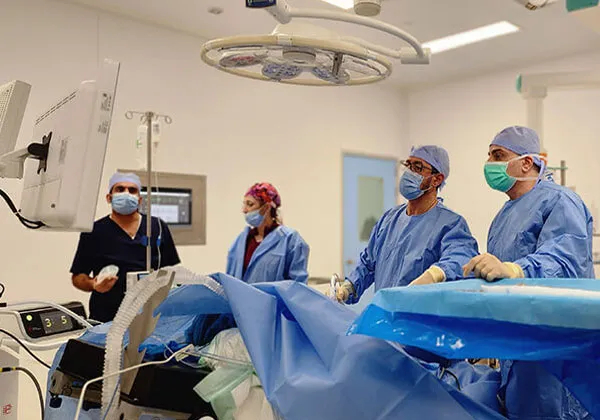
Endoscopic balloon extraction is a minimally invasive technique commonly performed during an endoscopic procedure to remove stones or other obstructive material from the bile duct. During the treatment, an endoscope is guided through the digestive tract until it reaches the opening of the bile duct. A small balloon device may then be used to help move stones or debris toward the intestine, allowing the bile duct to become clear.
This approach is often considered when bile duct stones cause symptoms or complications. By restoring bile flow, the procedure may help relieve discomfort and reduce the immediate risks associated with obstruction. However, clearing the duct does not always eliminate the reasons why stones or other problems developed in the first place.
Why Do Bile Duct Problems Develop?
Several factors can contribute to bile duct problems. Gallstones are among the most common causes of blockage, particularly when a stone moves from the gallbladder into the common bile duct. In other cases, narrowing of the bile duct, inflammation, infection, or previous procedures may contribute to difficulties with bile drainage.
In addition, some individuals may be more prone to forming stones because of changes in bile composition or problems affecting the gallbladder. Therefore, simply removing an existing obstruction may not guarantee that another one will never develop.
Understanding the underlying cause is important because future prevention often depends on addressing the source of the problem rather than focusing only on the blockage that has already occurred.
Can Endoscopic Balloon Extraction Reduce Future Problems?
Endoscopic Balloon Extraction can resolve an existing bile duct obstruction, which may reduce the immediate risk of complications associated with blocked bile flow. For example, removing stones can help lower the likelihood of problems caused by persistent obstruction, such as bile duct infection or inflammation of the pancreas in certain situations.
However, the procedure itself is not necessarily a permanent preventive treatment. If the patient continues to have risk factors for stone formation or another underlying condition remains untreated, future bile duct problems may still occur.
For this reason, healthcare professionals may recommend additional evaluation after the procedure. Depending on the individual's circumstances, this could involve assessing the gallbladder, reviewing previous episodes of gallstones, or investigating any structural abnormalities affecting the biliary system.
The Role of Gallbladder Treatment
For patients whose bile duct stones originate from the gallbladder, treating the gallbladder may be an important part of reducing the chance of recurrence. In selected cases, gallbladder removal may be recommended after the bile duct has been cleared, particularly when recurrent gallstones are a concern.
The appropriate approach varies from person to person. Some patients may require additional treatment, while others may simply need monitoring and lifestyle guidance. Consequently, a thorough assessment is essential before deciding whether further intervention is appropriate.
In some situations, the timing of additional treatment can also depend on the patient's overall health, symptoms, and the presence of complications. A healthcare professional can determine the most suitable plan based on individual findings.
What Happens After the Procedure?
Recovery following bile duct stone removal is often straightforward, but patients should still follow their healthcare team's instructions carefully. After the procedure, it is important to pay attention to any new or worsening symptoms.
Patients may be advised to:
- Follow dietary recommendations provided by their healthcare professional.
- Take prescribed medications as directed.
- Attend follow-up appointments when recommended.
- Report unusual abdominal pain, fever, persistent vomiting, or yellowing of the skin or eyes.
- Discuss any history of recurring gallstones or digestive symptoms during follow-up care.
These steps can help healthcare professionals identify potential concerns early. Moreover, follow-up evaluation can provide an opportunity to determine whether the original cause of the bile duct problem has been adequately addressed.
Can Lifestyle Changes Help Prevent Recurrence?
Lifestyle choices may play a supporting role in reducing certain risk factors associated with gallstone formation. Maintaining a healthy weight, eating a balanced diet, and avoiding rapid weight loss may be beneficial for some individuals.
A balanced eating pattern can include a variety of vegetables, fruits, whole grains, and appropriate sources of healthy fats. Meanwhile, limiting excessive intake of highly processed foods and maintaining regular physical activity may support overall digestive and metabolic health.
Nevertheless, lifestyle changes cannot prevent every type of bile duct problem. Structural issues, certain medical conditions, and some causes of recurrent stones may require medical management regardless of dietary or lifestyle habits.
When Should You Seek Medical Attention?
Even after successful removal of a bile duct obstruction, new symptoms should not be ignored. Prompt medical assessment may be necessary if symptoms suggest another blockage or infection.
Seek professional medical advice if you experience:
- Severe or persistent abdominal pain
- Fever or chills
- Yellowing of the skin or eyes
- Dark urine or unusually pale stools
- Repeated nausea or vomiting
- Persistent digestive discomfort
These symptoms can have several possible causes, but they may sometimes indicate a problem requiring timely evaluation. Early assessment can help identify complications and determine whether additional testing or treatment is needed.
What Can You Expect in the Long Term?
The long-term outlook after bile duct stone removal is generally influenced by the reason the obstruction developed, whether the gallbladder remains in place, and whether other risk factors are present. Some people may experience no further problems after treatment, while others may require additional care to reduce recurrence.
Therefore, it is useful to view endoscopic treatment as one part of a broader management plan. Clearing the bile duct can address the immediate obstruction, but preventing future problems may require follow-up monitoring and treatment of the underlying cause.
In addition, patients should discuss their individual recurrence risk with a qualified healthcare professional. The need for further procedures, imaging, or specialist follow-up will depend on the patient's medical history and the findings from the initial treatment.
Conclusion
Endoscopic balloon extraction can be an effective way to clear certain bile duct obstructions and reduce the immediate risks associated with blocked bile flow. However, it cannot always prevent future bile duct problems on its own. Recurrence may depend on factors such as gallstone formation, gallbladder disease, inflammation, or structural changes in the biliary system. Therefore, appropriate follow-up and treatment of the underlying cause remain important for long-term care. If you are considering treatment or have experienced recurring bile duct problems, Dynamic Clinic can be one option to discuss your condition and explore an appropriate care plan with a healthcare professional.




 English
 Arabic
 Français
 Español
 Português
 Deutsch
 Türkçe
 Dutch
Dutch
 Italiano
 Russian