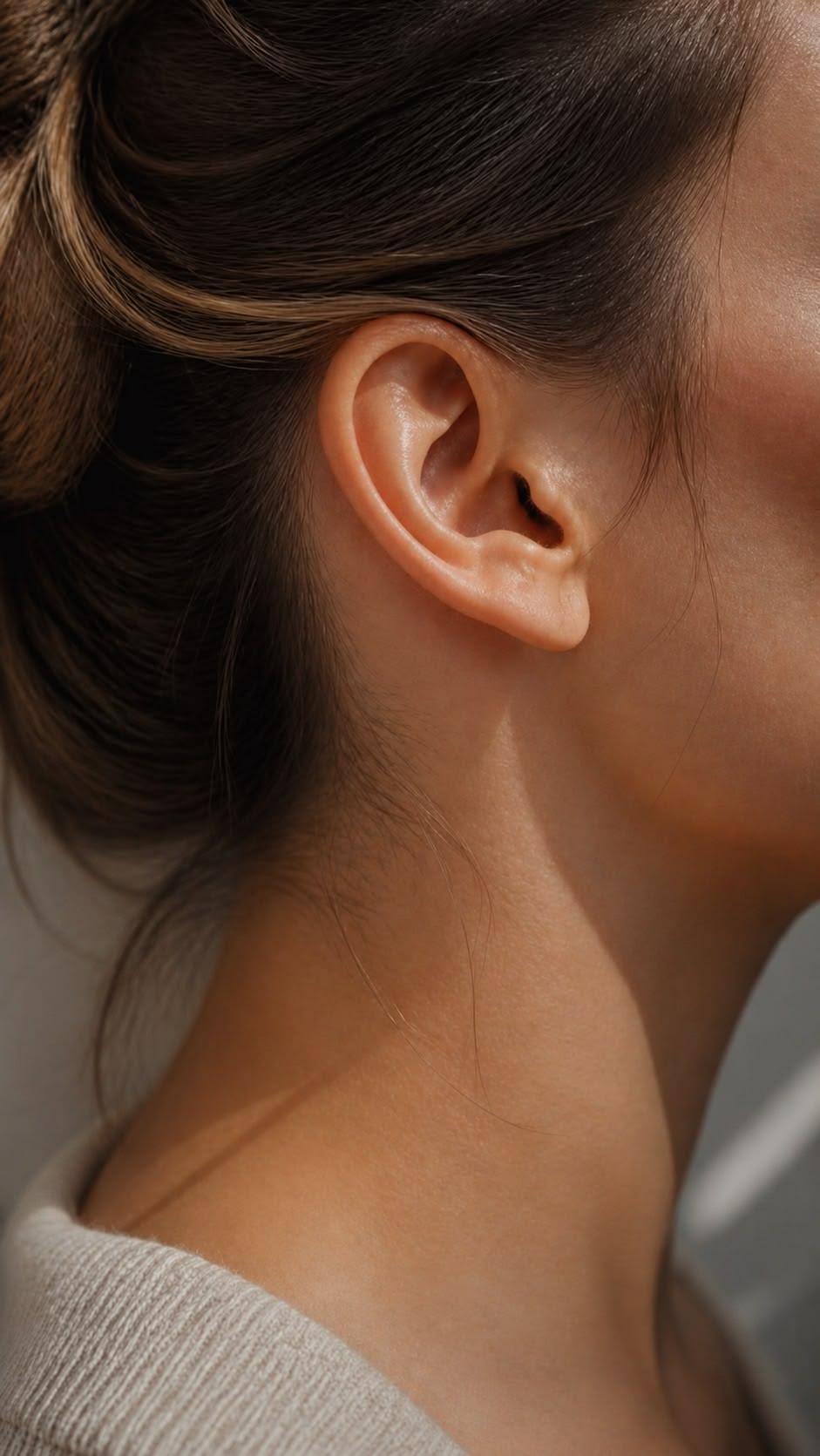
Ear Reshaping Surgery, also known as otoplasty, is a safe and commonly performed cosmetic procedure designed to improve the shape, size, or position of the ears. It can help correct prominent ears, congenital ear deformities, asymmetry, and injuries, giving patients a more balanced facial appearance and increased confidence.
Like any surgical procedure, however, Ear Reshaping Surgery carries certain risks and potential complications. Fortunately, serious problems are uncommon, especially when the procedure is performed by a qualified and experienced surgeon. Understanding these risks before treatment allows patients to make informed decisions and prepare for a smooth recovery.
In this article, we explore the possible risks associated with ear reshaping, what causes them, and how they can often be minimised through proper surgical care and aftercare.
Is Ear Reshaping Surgery Safe?
For most healthy individuals, Ear Reshaping Surgery is considered a low-risk cosmetic procedure. Advances in surgical techniques, anaesthesia, and post-operative care have made the operation safer than ever.
Most patients recover without significant complications and are satisfied with their final results. However, no surgical procedure can be completely free of risk, which is why choosing an experienced surgeon is essential.
Swelling and Bruising
Swelling and bruising are the most common side effects after surgery. These are normal parts of the body's healing process rather than true complications.
Patients may notice:
- Mild swelling around the ears
- Temporary bruising
- Tenderness
- Tightness
These symptoms usually improve significantly within the first two to three weeks.
Keeping the head elevated and following your surgeon's aftercare instructions can help reduce swelling more quickly.
Temporary Pain and Discomfort
Most patients experience only mild to moderate discomfort after Ear Reshaping Surgery.
Pain is generally well controlled with prescribed or over-the-counter medication recommended by the surgeon.
Discomfort usually decreases within a few days and continues improving throughout the first week.
Severe or worsening pain should always be reported to your healthcare provider.
Infection
Although uncommon, infection is a potential risk following any surgical procedure.
Signs of infection may include:
- Increasing redness
- Warmth around the incision
- Pus or unusual drainage
- Fever
- Increasing pain
Following wound care instructions carefully and taking prescribed antibiotics, if recommended, greatly reduces the likelihood of infection.
Prompt treatment usually resolves infections without affecting the final outcome.
Bleeding or Haematoma
A small amount of bleeding immediately after surgery is normal.
Occasionally, blood may collect beneath the skin, forming a haematoma.
Symptoms may include:
- Sudden swelling
- Increased pain
- Firmness around the ear
- One ear appearing much larger than the other
In some cases, additional treatment may be required to remove the collected blood and prevent pressure on the healing cartilage.
Scarring
Every surgical procedure creates some degree of scarring. Fortunately, incisions for Ear Reshaping Surgery are typically placed behind the ears, where scars remain well hidden.
Most scars gradually soften and fade over time.
Rarely, some individuals develop thicker or raised scars due to their natural healing tendency.
Proper scar care and following your surgeon's recommendations can improve long-term healing.
Changes in Skin Sensation
Temporary numbness around the ears is fairly common after surgery.
This occurs because small nerves are affected during the procedure.
Most patients gradually regain normal sensation over several weeks or months as healing progresses.
Permanent numbness is rare.
Asymmetry
Although the goal of surgery is improved balance, complete symmetry is not always possible because natural facial features are rarely identical.
Minor differences between the ears may remain after healing.
Experienced surgeons focus on creating natural-looking improvements rather than perfectly identical ears.
Patients with realistic expectations are generally more satisfied with their results.
Cartilage Irregularities
In rare cases, the ear cartilage may heal in a way that creates small contour irregularities.
Possible concerns include:
- Slight unevenness
- Visible folds
- Minor edge irregularities
These issues are uncommon and may sometimes improve naturally as swelling resolves.
Occasionally, revision surgery may be considered if significant irregularities remain.
Suture-Related Problems
During Ear Reshaping Surgery, permanent internal stitches are often used to maintain the new ear shape.
In rare cases:
- Sutures may become noticeable beneath the skin.
- A stitch may loosen or break.
- Small areas of irritation may develop.
If necessary, the surgeon can usually correct these problems with a simple procedure.
Unsatisfactory Cosmetic Results
Every patient heals differently, and individual expectations vary.
Some people may feel that:
- The ears are still too prominent.
- The correction is greater than expected.
- The shape differs from their original expectations.
A detailed consultation before surgery helps ensure that patients understand what is realistically achievable.
Choosing an experienced surgeon significantly reduces the likelihood of dissatisfaction.
Risks Related to Anaesthesia
Depending on the patient's age and treatment plan, Ear Reshaping Surgery may be performed under local or general anaesthesia.
Modern anaesthesia is very safe, but potential risks include:
- Nausea
- Temporary dizziness
- Allergic reactions
- Breathing complications (rare)
Your anaesthesia provider will carefully review your medical history before the procedure to minimise these risks.
Factors That Increase Surgical Risks
Certain lifestyle and health factors can increase the chance of complications.
These include:
- Smoking
- Poorly controlled diabetes
- Certain medications
- Blood clotting disorders
- Failure to follow aftercare instructions
Providing your surgeon with a complete medical history allows them to plan treatment safely.
Stopping smoking before surgery also improves healing.
How to Reduce the Risks
Patients can actively contribute to a safer recovery by following professional advice.
Helpful steps include:
- Choose an experienced cosmetic surgeon.
- Attend all pre-operative consultations.
- Follow medication instructions carefully.
- Avoid smoking before and after surgery.
- Wear protective dressings as directed.
- Keep follow-up appointments.
- Report unusual symptoms promptly.
These measures greatly improve the chances of a successful outcome.
When Should You Contact Your Surgeon?
While mild discomfort is expected, certain symptoms require immediate medical attention.
Contact your surgeon if you experience:
- High fever
- Severe pain
- Excessive bleeding
- Sudden swelling
- Persistent drainage
- Signs of infection
- Significant changes in ear colour
Early treatment often prevents more serious complications from developing.
Conclusion
Ear Reshaping Surgery is generally a safe and effective procedure for improving ear shape, position, and facial balance. Although complications such as swelling, bruising, infection, bleeding, scarring, temporary numbness, or minor asymmetry can occur, serious problems are uncommon when surgery is performed by an experienced professional.
Understanding the potential risks allows patients to make informed decisions and prepare for a successful recovery. Choosing a qualified surgeon, following all post-operative instructions, maintaining a healthy lifestyle, and attending follow-up appointments all contribute to excellent long-term results. For anyone considering Ear Reshaping Surgery, a detailed consultation with a skilled cosmetic surgeon is the best way to discuss individual risks, expectations, and the most appropriate treatment plan.




 English
 Arabic
 Français
 Português
 Deutsch
 Türkçe
 Dutch
Dutch
 Italiano
 Russian
 Romaian