


Understanding VAPT in Cyber Security: A Complete Guide for ICT Companies
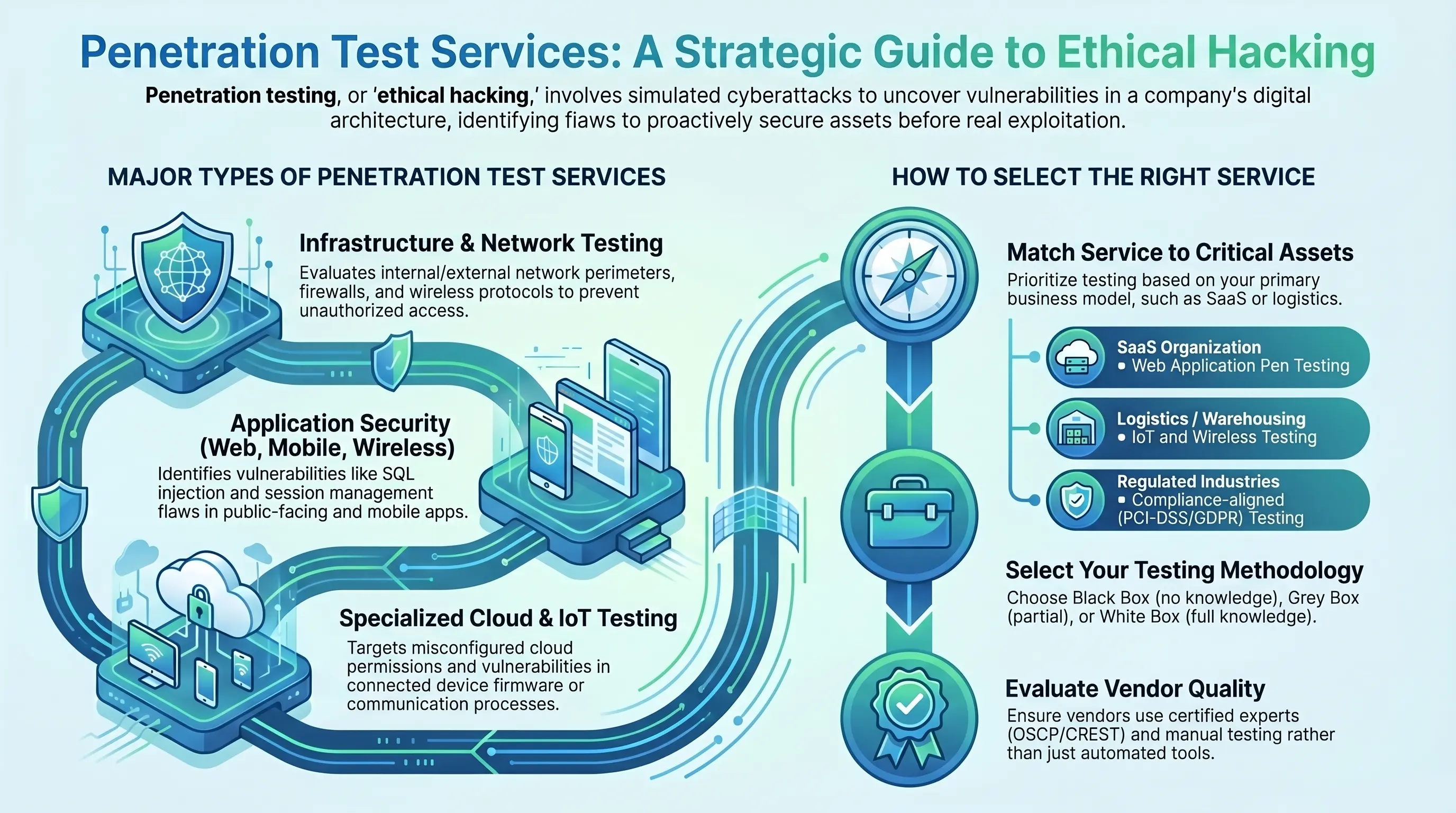
VAPT in Cyber Security for ICT Businesses
The ICT industry powers today's digital economy by delivering software, cloud infrastructure, telecommunications, managed services, and enterprise applications. As organisations become increasingly connected, cybercriminals continue to develop sophisticated techniques to exploit weaknesses in networks, applications, and cloud environments.
Preventing cyberattacks requires more than installing firewalls or endpoint protection. Businesses must proactively identify vulnerabilities before attackers do. This is where VAPT in cyber security plays a crucial role. By combining vulnerability assessments with pen testing, organisations gain a comprehensive understanding of their security posture and can address weaknesses before they become costly security incidents.
For ICT companies handling sensitive client data and critical business systems, VAPT is an essential part of a proactive cybersecurity strategy.
What Is VAPT in Cyber Security?
VAPT stands for Vulnerability Assessment and Penetration Testing. It is a comprehensive security assessment methodology designed to identify, evaluate, and validate vulnerabilities across an organisation's digital infrastructure.
Although often grouped together, the two components serve different purposes:
- Vulnerability Assessment identifies known security weaknesses through automated tools and manual verification.
- Pen Testing simulates real-world cyberattacks to determine whether identified vulnerabilities can actually be exploited.
Together, they provide organisations with both visibility into potential security issues and practical evidence of how those weaknesses could affect business operations.
Why ICT Organisations Need VAPT
ICT businesses often manage complex environments consisting of cloud platforms, software applications, APIs, remote work infrastructure, and interconnected networks. Every new technology introduces additional attack surfaces that cybercriminals may target.
Implementing VAPT in cyber security helps organisations:
- Detect security weaknesses before attackers do
- Reduce the likelihood of successful cyberattacks
- Protect customer and business data
- Strengthen application security
- Secure cloud environments
- Improve operational resilience
- Support customer security requirements
- Build trust with enterprise clients
Rather than reacting to incidents after they occur, VAPT enables organisations to identify and resolve risks proactively.
How Vulnerability Assessment and Pen Testing Work Together
Many organisations mistakenly believe vulnerability scanning alone provides sufficient protection. While automated scanners identify known issues, they cannot always determine whether those vulnerabilities are exploitable.
Here's how the two processes complement each other:
|
Vulnerability Assessment |
Pen Testing |
|
Identifies known vulnerabilities |
Attempts to exploit vulnerabilities safely |
|
Primarily automated with manual validation |
Manual security testing supported by specialised tools |
|
Produces a list of security issues |
Demonstrates real-world business impact |
|
Helps prioritise remediation |
Validates effectiveness of existing controls |
|
Supports continuous monitoring |
Simulates attacker behaviour |
Combining both approaches provides a far more accurate picture of organisational risk.
Systems That Should Be Included in VAPT
An effective VAPT programme evaluates all critical technology assets rather than focusing on a single application.
Typical assessment scope includes:
- Web applications
- Mobile applications
- APIs
- Cloud infrastructure
- Internal corporate networks
- External-facing systems
- Databases
- Wireless networks
- VPN gateways
- Remote access services
- Email infrastructure
- Employee endpoints
Testing multiple environments helps ensure comprehensive coverage across the organisation.
The VAPT Lifecycle
Successful VAPT engagements typically follow a structured methodology.
1. Asset Discovery and Scoping
Critical systems, applications, and business objectives are identified to define the assessment scope.
2. Vulnerability Identification
Security specialists use automated scanning tools and manual verification techniques to detect vulnerabilities, configuration errors, and outdated software.
3. Pen Testing
Ethical hackers attempt to exploit identified weaknesses in a controlled environment to understand how attackers could compromise systems or gain unauthorised access.
4. Risk Analysis
Each finding is evaluated based on technical severity, exploitability, and potential business impact.
5. Reporting and Remediation
Organisations receive a detailed report outlining vulnerabilities, exploitation evidence, risk ratings, and practical remediation recommendations.
6. Retesting
After vulnerabilities are addressed, systems are retested to confirm that corrective actions have been implemented successfully.
Common Security Issues Identified During Pen Testing
Regular pen testing frequently uncovers weaknesses that can remain undetected during routine IT operations.
Common findings include:
- Weak authentication controls
- Poor password policies
- Misconfigured cloud resources
- SQL injection vulnerabilities
- Cross-site scripting (XSS)
- Broken access controls
- Unpatched software
- Insecure APIs
- Sensitive data exposure
- Misconfigured firewalls
Addressing these issues significantly reduces the risk of cyberattacks.
Business Benefits of VAPT
While VAPT is a technical security assessment, its value extends well beyond IT departments.
Business advantages include:
- Increased customer confidence
- Improved operational continuity
- Reduced financial risks
- Stronger cybersecurity governance
- Better protection of intellectual property
- Improved readiness for security assessments
- Enhanced vendor credibility
- Greater stakeholder trust
These outcomes support long-term business growth while strengthening organisational resilience.
Best Practices for Effective VAPT
To maximise the effectiveness of VAPT in cyber security, ICT organisations should adopt a continuous improvement approach.
Recommended best practices include:
- Schedule VAPT at regular intervals.
- Perform assessments after major infrastructure changes.
- Prioritise remediation based on business risk.
- Include cloud environments and APIs in testing.
- Keep an up-to-date asset inventory.
- Verify remediation through retesting.
- Integrate VAPT findings into enterprise risk management.
- Train employees on secure development and operational practices.
Embedding these activities into routine operations helps organisations stay ahead of evolving cyber threats.
Frequently Asked Questions
What does VAPT stand for?
VAPT stands for Vulnerability Assessment and Penetration Testing, a combination of security activities used to identify and validate vulnerabilities within an organisation's technology environment.
Is pen testing different from vulnerability assessment?
Yes. Vulnerability assessment identifies potential security weaknesses, while pen testing actively attempts to exploit those weaknesses to evaluate their real-world impact.
How often should ICT companies perform VAPT?
Most organisations conduct VAPT annually, after major technology upgrades, before launching new applications, or whenever significant changes are made to infrastructure.
Can VAPT improve overall cybersecurity?
Yes. Regular VAPT helps organisations detect vulnerabilities early, strengthen security controls, reduce cyber risks, and improve overall cyber resilience.
Final Thoughts
As technology ecosystems continue to evolve, ICT organisations must adopt proactive strategies to safeguard their infrastructure, applications, and customer data. Implementing VAPT in cyber security enables businesses to identify vulnerabilities before they become exploitable, reducing the likelihood of costly cyber incidents and operational disruptions.
By combining continuous vulnerability assessments with regular pen testing, organisations gain deeper insight into their security posture and can make informed decisions about risk mitigation. For ICT businesses focused on delivering secure, reliable, and scalable technology services, VAPT is a critical investment in long-term resilience, customer trust, and sustainable digital growth.

 Arabic
 Français
 Español
 Português
 Deutsch
 Türkçe
 Dutch
Dutch
 Italiano
 Russian
 Romaian