


How Technology Is Transforming the Storage Industry
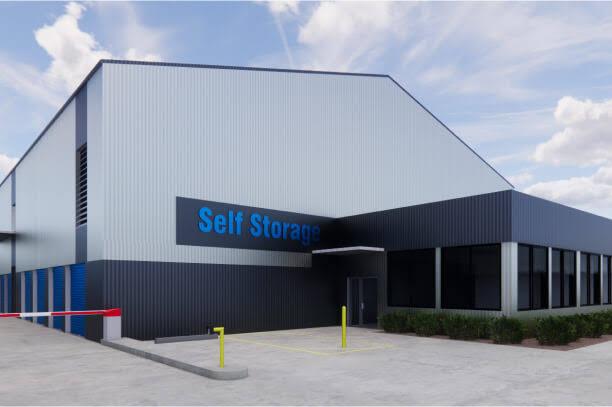
Not long ago, renting a storage unit meant a phone call, a paper contract, and a padlock you hoped you wouldn't lose the key to. Today, the same task can be done from a phone in under five minutes, with a digital access code replacing that old padlock entirely. This quiet shift has been happening across the self storage world, and it is changing not just how people rent space, but how they think about storing their belongings altogether. Anyone searching for secure self storage in Campbelltown now finds facilities that look nothing like the dusty sheds of a decade ago — they are monitored, climate-aware, and built around convenience as much as security.
From Padlocks to Pixels
The most obvious change in the storage industry is access. Facilities used to rely on a person behind a desk, office hours, and a physical key. Now, biometric scanners, app-based entry, and individually alarmed units have become the norm rather than the exception. This matters because storage has always been, at its core, a trust business — people are handing over their furniture, documents, business inventory, or childhood keepsakes to a stranger's building. Technology has not removed that trust requirement, but it has made it easier to earn and easier to verify.
CCTV systems that once recorded grainy footage onto tape now stream live, high-definition video to a manager's phone, and many facilities keep footage for weeks rather than days. Motion sensors flag unusual activity after hours, and some sites use smart locks that log every single entry and exit against a tenant's name. If something goes wrong, there is an actual trail to follow instead of a shrug and a promise to "look into it." This is precisely what pushes people toward providers offering genuinely secure setups rather than ones that merely advertise the word.
Climate Control Gets Smarter, Not Just Colder
Climate-controlled storage is not new, but the way it is managed has changed considerably. Older units simply ran an air conditioner on a timer and hoped for the best. Modern facilities use sensors that track humidity and temperature in real time, adjusting automatically rather than waiting for a staff member to notice a problem. For anyone storing wooden furniture, musical instruments, wine, or business stock, this kind of quiet, constant monitoring is the difference between opening a unit to find everything intact and opening it to find warped timber or mould creeping along a cardboard box.
This is where the industry's growth in regional and outer-metro areas becomes interesting. Facilities offering storage units in Campbelltown have had to compete not just on price, but on the quality of these systems, because customers now expect them as standard rather than as a premium add-on. A family storing furniture during a home renovation, or a small business owner keeping stock overflow, does not want to gamble on whether their goods will survive a hot Sydney summer sitting in a metal box.
Booking, Paying, and Managing It All Without a Single Phone Call
Perhaps the least glamorous but most practically important change is administrative. Booking a unit online, signing a digital contract, paying by card or direct debit, and managing the account through an app has replaced the old system of forms, faxes, and in-person visits. This sounds minor until you consider who actually rents storage: people moving house under time pressure, tradespeople needing space at odd hours, students between semesters, or businesses scaling up quickly. None of these people want to work around a facility's nine-to-five office hours.
This shift has also made pricing more transparent. Where storage costs used to be negotiated somewhat informally, now most facilities list their rates online, often with calculators that let a person compare unit sizes against their actual belongings. That transparency has been good for customers hunting for affordable self storage in Campbelltown, because it is far easier to compare five facilities from a laptop than to drive around a suburb calling each one individually. Competition has pushed operators to be upfront about costs, and technology is what made that competition possible in the first place.
Data Is Quietly Reshaping the Industry Too
Behind the scenes, storage operators are using data in ways customers rarely see but definitely benefit from. Occupancy patterns, seasonal demand, and even local population growth are now tracked and used to plan new facilities or adjust unit sizes on offer. This is part of why storage options have expanded so quickly across growing regions of storage units in NSW, where population growth in outer suburbs has outpaced the availability of traditional storage. Operators are not just guessing where demand will be; they are building where the data tells them people actually need space.
This same data-driven approach helps facilities manage maintenance before it becomes a problem. Sensors that detect a leaking roof or a malfunctioning door don't wait for a tenant complaint — they alert staff immediately, often before any damage has occurred. It is a small thing, but it reflects a larger pattern: technology in this industry is not about flashy gadgets for their own sake. It is about removing the small failures that used to be accepted as part of doing business.
What This Means for the Person Renting the Unit
For the everyday customer, none of this technology needs to be understood in detail to be appreciated. What matters is the outcome: a unit that is easier to book, safer to use, better protected from weather, and priced clearly enough to compare against alternatives. The industry has moved from being reactive — fixing problems after tenants complain — to being proactive, catching issues before they ever reach a customer's attention.
There is a broader lesson here about how technology tends to improve unglamorous industries. Storage was never going to be an exciting sector, and it still is not in the way that phones or cars are. But the steady accumulation of small improvements — better locks, smarter climate systems, transparent pricing, and responsive maintenance — has made a genuinely meaningful difference to the people who rely on it. The next time someone needs to store a life's worth of belongings during a move, or extra inventory for a growing business, the process is likely to be faster, safer, and considerably less stressful than it would have been just a few years ago. That is not a small thing. For anyone who has ever worried about what is happening to their belongings behind a locked door they can't see through, it is exactly the kind of progress that counts.

 Arabic
 Français
 Español
 Português
 Deutsch
 Türkçe
 Dutch
Dutch
 Italiano
 Russian
 Romaian