


10 Common Table Styling Mistakes and How to Avoid Them
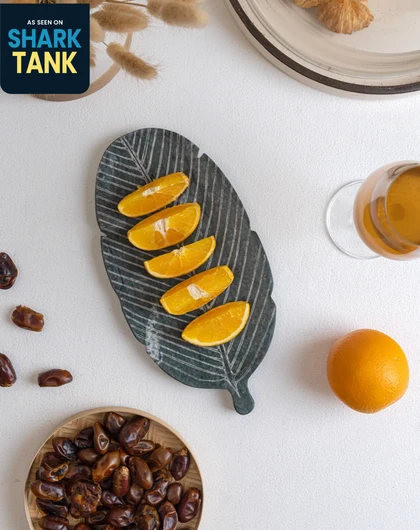
A beautifully styled table can instantly make a dining room, living room, or entryway feel more polished. However, choosing too many accessories, ignoring proportions, or mixing unrelated pieces can make the space look cluttered rather than sophisticated. The right table decor items should complement the table while supporting the overall interior style.
Whether you are decorating a coffee table, dining table, console, or side table, understanding common styling mistakes can help you create a balanced and attractive arrangement.
1. Using Too Many Decorative Pieces
One of the most common mistakes is trying to fill every empty space. A table covered with candles, vases, trays, books, figurines, and other accessories can quickly appear messy.
How to Avoid It
Start with one focal piece and add only a few complementary accessories. Leave some open surface visible. Negative space gives each decorative element room to stand out.
For example, a decorative tray can group smaller accessories together while keeping the arrangement organized.
2. Ignoring Proportion and Scale
A tiny accessory can disappear on a large dining table, while an oversized centerpiece can dominate a small coffee table.
How to Avoid It
Consider the size of both the table and the surrounding furniture. Choose table decor items that are proportional to the available space.
A useful approach is to combine different heights:
- A taller vase or candle holder
- Medium-height decorative objects
- Low-profile trays or books
This creates visual variety without making the arrangement overwhelming.
3. Creating a Tabletop Without a Focal Point
When every object has equal visual importance, the arrangement can feel directionless. Good styling usually has a clear focal point that attracts attention first.
How to Avoid It
Choose one statement element, such as a sculptural vase, elegant centerpiece, decorative bowl, or distinctive candle holder. Arrange smaller pieces around it rather than competing with it.
4. Matching Everything Too Closely
Using accessories from the same material, shape, color, and design can make a table look predictable.
How to Avoid It
Introduce subtle contrast. Combine different textures and forms while maintaining a cohesive color palette.
For instance, Marble table decor items can be paired with wood, glass, metal, ceramic, or fabric accents. The contrast creates depth while the natural character of marble provides a sophisticated foundation.
5. Choosing Style Over Function
A table should not only look attractive—it should remain practical. Oversized decorations on a dining table can interfere with meals, while excessive accessories on a coffee table can leave no room for everyday use.
How to Avoid It
Think about how the table is actually used before selecting decorations.
For frequently used surfaces:
- Keep essential areas clear.
- Use trays to organize smaller pieces.
- Choose accessories that can be moved easily.
- Avoid decorations that obstruct conversation or visibility.
Good styling works with everyday life rather than against it.
6. Forgetting the Height of the Arrangement
Using accessories that are all the same height can create a flat appearance. On the other hand, extremely tall objects may block sightlines.
How to Avoid It
Create a simple height hierarchy. Combine tall, medium, and low elements to create movement.
For dining tables especially, consider whether people sitting across from one another can comfortably see each other. Decorative arrangements should enhance the dining experience rather than interfere with it.
7. Ignoring the Table’s Existing Style
A modern table covered with highly ornate accessories may feel disconnected from the room. Similarly, minimalist furniture can look awkward when surrounded by too many decorative objects.
How to Avoid It
Let the table and surrounding interior guide your choices.
For a contemporary setting, consider clean-lined accessories and restrained arrangements. Traditional interiors may accommodate richer textures and more decorative details. The goal is not to make every piece identical but to create visual harmony.
8. Using the Wrong Color Balance
Too many unrelated colors can make a tabletop arrangement look chaotic. However, using only one shade throughout may make it appear dull.
How to Avoid It
Select a simple color palette based on the room. Start with the dominant colors already present in your furniture, walls, curtains, or upholstery.
Then introduce one or two complementary accent shades through your table decor items. Natural materials can also add visual interest without introducing strong colors.
9. Neglecting Texture
A table decorated entirely with smooth, similar surfaces can look visually flat. Texture helps create depth and makes an arrangement more interesting.
How to Avoid It
Mix materials thoughtfully. Consider combining:
- Natural stone
- Wood
- Glass
- Metal
- Ceramic
- Woven materials
- Textiles
For example, a smooth marble accessory can provide an appealing contrast against a woven runner or wooden tabletop.
10. Styling Without Considering the Whole Room
A tabletop should not be treated as an isolated design project. Its colors, materials, and visual weight should connect with the rest of the room.
How to Avoid It
Step back after arranging your table and look at the entire space. Check whether the accessories complement nearby furniture, lighting, wall décor, and flooring.
If the table immediately draws attention for the wrong reason, remove one or two pieces and reassess the arrangement.
A Simple Step-by-Step Table Styling Method
If you are unsure where to begin, use this five-step process:
Step 1: Clear the surface
Remove existing objects so you can evaluate the table properly.
Step 2: Choose a focal point
Select one main decorative element.
Step 3: Add supporting pieces
Introduce two or three accessories that complement the focal point.
Step 4: Vary height and texture
Combine different sizes and materials for visual depth.
Step 5: Edit the arrangement
Remove anything that feels unnecessary or interferes with functionality.
This simple method helps prevent many common styling mistakes.
How the Right Table Decor Items Improve a Space
Well-selected accessories can do more than fill an empty surface. They can help define the personality of a room and create visual connections between different elements.
Thoughtfully selected table decor items can:
- Add personality to neutral interiors
- Create an attractive focal point
- Introduce texture and contrast
- Make a room feel more finished
- Reflect seasonal or personal styling preferences
- Improve visual balance
The key is thoughtful selection rather than quantity.
Frequently Asked Questions
1. How many table decor items should I use?
There is no fixed number. The ideal quantity depends on the table size and how it is used. Start with a focal piece and add a few complementary accessories while keeping enough open space for functionality.
2. What are the best materials for table decor?
Natural stone, wood, ceramic, glass, and metal can all work well. Choose materials that complement the existing furniture and overall interior style.
3. Can marble table decor items work in modern interiors?
Yes. Marble table decor items can suit modern, minimalist, traditional, and transitional interiors. Their natural patterns and solid appearance can add texture and sophistication without requiring elaborate decoration.
4. How can I make a small table look stylish without cluttering it?
Use fewer but more purposeful accessories. A small tray, one statement object, and a low-profile decorative piece can create an attractive arrangement while preserving useful surface area.
Conclusion
Effective table styling is less about adding more and more accessories and more about making thoughtful choices. Avoiding common problems such as poor proportions, excessive decoration, weak color coordination, and lack of functionality can dramatically improve the final look.
Choose table decor items according to your table's size, purpose, and surrounding interior. Mix heights and textures, establish a focal point, and leave enough breathing room. With a balanced approach, even a simple tabletop can become an elegant and purposeful part of your home décor.

 Arabic
 Français
 Español
 Português
 Deutsch
 Türkçe
 Dutch
Dutch
 Italiano
 Russian
 Romaian