


How to Build an Effective Employee Training Strategy With eLearning Solutions
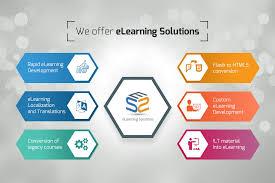
An effective employee training strategy is no longer limited to classroom sessions and printed manuals. eLearning solutions give organizations a flexible way to deliver consistent training, measure learner progress, and support continuous professional development. However, simply introducing digital courses does not guarantee better learning outcomes. Businesses need a structured strategy that connects training objectives with employee needs, business goals, technology, and measurable results. A well-planned approach can improve employee engagement, strengthen knowledge retention, and create a more scalable corporate learning environment.
1. What Should an Employee Training Strategy Actually Achieve?
Before selecting technology or creating courses, organizations should establish clear training objectives. A successful employee training strategy should address a specific business or workforce need rather than simply provide employees with more content.
Start by identifying:
-
Skills employees need to perform their roles effectively
-
Existing knowledge and performance gaps
-
Compliance and mandatory training requirements
-
Leadership and professional development needs
-
Business objectives that training should support
-
Performance indicators that can demonstrate success
For example, if a company wants to improve customer service, its training strategy could focus on communication skills, product knowledge, problem-solving, and customer interaction scenarios.
This approach makes online employee training more purposeful and helps learning teams connect training activities with measurable business outcomes.
2. How Can You Identify the Right Training Needs?
One of the most important steps in developing a training strategy is understanding what employees actually need to learn.
Organizations can use employee surveys, manager feedback, performance reviews, assessments, customer feedback, and skills-gap analysis to identify learning requirements. Data from existing training programs can also reveal where employees struggle or where completion and assessment scores are consistently low.
A training needs assessment can help answer questions such as:
-
Which skills require immediate attention?
-
Which employees need specific learning paths?
-
What knowledge gaps are affecting performance?
-
Which training topics should be mandatory?
-
Where can digital learning provide greater flexibility?
This information creates a stronger foundation for employee development programs and prevents organizations from investing in training that does not address genuine workplace needs.
3. Which Learning Format Works Best for Different Employees?
Not every learning objective requires the same format. Effective digital learning solutions combine different content types according to the subject, audience, and desired outcome.
Organizations may use:
-
Short microlearning modules for quick knowledge reinforcement
-
Interactive courses for complex concepts
-
Video-based learning for demonstrations
-
Simulations for practical decision-making
-
Assessments for knowledge validation
-
Scenario-based learning for workplace situations
-
Instructor-led virtual sessions for collaboration
-
Reference resources for ongoing performance support
A blended learning strategy can be particularly valuable when employees have different roles, experience levels, and learning requirements.
The goal is not to use technology simply because it is available. The goal is to select the format that makes learning easier to understand, apply, and remember.
4. How Do You Choose an eLearning Platform That Can Scale?
The technology supporting a training strategy can have a major impact on its long-term success. Organizations should evaluate whether their learning management system can support current requirements while remaining flexible as the workforce grows.
Important capabilities may include:
-
Centralized course management
-
Learner enrollment and tracking
-
Assessment and certification
-
Reporting and analytics
-
Mobile accessibility
-
Automated notifications
-
Role-based learning paths
-
Integration with existing business systems
-
Support for different content formats
A scalable LMS can help learning teams manage corporate training programs more efficiently and provide managers with better visibility into learner participation and performance.
5. Why Does Personalized Learning Matter for Employee Development?
Employees do not have identical responsibilities or knowledge levels. Delivering the same training to everyone may therefore produce limited results.
Personalized learning paths allow organizations to provide relevant content based on an employee's role, department, experience, performance, or development goals.
For example, a new employee may need onboarding and foundational training, while an experienced manager may require leadership development, coaching, and strategic decision-making courses.
Role-based learning can make training more relevant while reducing unnecessary content. It also supports a more employee-centered approach to workplace learning.
6. What Makes Online Training More Engaging?
Completion rates alone do not prove that employees are learning effectively. Engagement and practical application are equally important.
To make online training for employees more engaging, organizations can incorporate realistic workplace scenarios, interactive activities, knowledge checks, storytelling, branching exercises, and short learning modules.
Training should also answer a practical question: “How will employees use this knowledge at work?”
When employees can immediately connect course content to real responsibilities, learning becomes more meaningful. Practical examples and scenario-based activities can also help learners move beyond memorization toward decision-making and application.
7. How Can Organizations Measure Training Effectiveness?
A strong training strategy requires measurable outcomes. Learning teams should establish key performance indicators before launching a program.
Useful metrics may include:
-
Course completion rates
-
Assessment scores
-
Learner engagement
-
Time spent learning
-
Certification rates
-
Knowledge retention
-
Employee performance
-
Productivity improvements
-
Reduction in workplace errors
-
Training cost per employee
Organizations can combine LMS analytics with business performance data to understand whether training is producing meaningful results.
For example, if customer service training is designed to improve satisfaction scores, learning teams should compare training participation with relevant customer service metrics.
8. How Should Training Stay Relevant After Launch?
Employee training should not be treated as a one-time project. Business processes, technologies, regulations, and employee expectations continue to change.
Organizations should regularly review course content, learner feedback, assessment results, and business performance. Outdated material should be revised, while new skills and emerging workplace requirements should be incorporated into future learning paths.
A continuous improvement process helps maintain the value of corporate eLearning and ensures training remains aligned with organizational priorities.
9. What Common Mistakes Can We Avoid?
Even well-funded training initiatives can underperform when strategy is overlooked. Common mistakes include creating too much content, focusing on completion rather than learning outcomes, ignoring employee feedback, choosing technology before defining requirements, and failing to measure business impact.
Another frequent problem is treating every learner identically. Effective training recognizes differences in roles, responsibilities, experience, and performance.
Avoiding these mistakes allows organizations to build a more focused and sustainable employee training strategy.
Building a Future-Ready Learning Strategy
A successful employee training strategy combines clear objectives, learner needs, relevant content, appropriate technology, personalization, engagement, and measurable outcomes. eLearning can provide the infrastructure for scalable workforce development, but its effectiveness depends on how thoughtfully the overall strategy is designed.
Organizations that approach digital training as a strategic business initiative can create learning experiences that support employee performance while contributing to broader organizational goals. With continuous evaluation and improvement, a well-designed learning strategy can become an important part of long-term talent development and business growth.

 English
 Arabic
 Français
 Español
 Português
 Deutsch
 Türkçe
 Dutch
Dutch
 Italiano
 Russian