


Why Game Certification Matters
Back in March 2022, I tried to pull $340 out of an online casino. The withdrawal sat there for six days. No email back. No answer in live chat, just a bot that kept saying "your request is being processed." On day seven I finally got my money. But by then I had already spent hours digging through forums, trying to find out if this site was even legit.
That's when I first heard the word "certified." I didn't know what it meant. I thought all online casinos worked the same way, more or less — you deposit, you play, you win or lose, you cash out. Turns out that's not true at all.
So I started asking around. Some guy on a forum said "always check if the games are certified, not just the license." I had no idea those were two different things.
License vs certification — not the same thing
Here's the short version. A casino license means a government or authority says "this business can legally take bets." Game certification is something else. It means a separate lab tested the actual games — the slot machine, the roulette wheel, the card shuffler — and checked if the results are fair and random. A casino can have a license and still run games that nobody has tested properly. That combo is where a lot of players get burned.
I made myself a rough table after my second bad experience, just so I'd stop mixing things up:
| Body | What it actually checks | Example |
|---|---|---|
| Regulator / license issuer | The business itself — money handling, complaints, fraud rules | UK Gambling Commission, Malta Gaming Authority |
| Testing lab | The games — RNG fairness, payout percentage, shuffle mechanics | GLI, eCOGRA, iTech Labs |
| Neither (unregulated site) | Nothing. No one checks anything. | Plenty of them, sadly |
Labs like GLI spend weeks running millions of test spins on a slot before they sign off on it. They check the random number generator, they check the payout percentage, they check if the game does what it says on the label. eCOGRA does similar work, and they also look at how fast a casino actually pays out real withdrawals, not just what the terms and conditions promise. There's also iTech Labs, which mostly checks RNG fairness and is common on newer platforms.
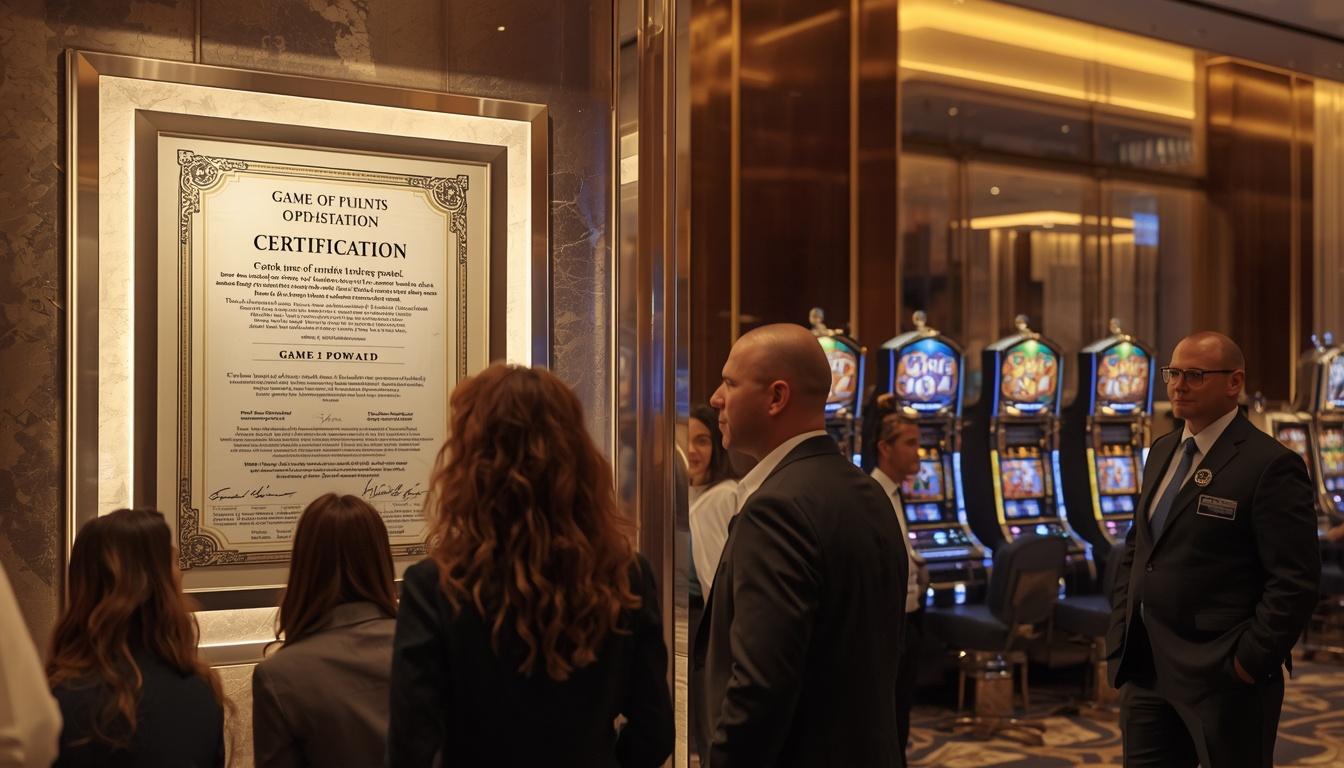
None of this stuff is visible when you're just scrolling through a casino homepage. You have to go looking for it. Usually it's a small logo at the bottom of the page. Click it. If it's real, it opens a certificate with a date on it. If it's fake, or if it opens nothing, that tells you something too.
My $80 lesson
I learned this the hard way a second time, a few months after the withdrawal mess. I found a smaller casino, brand new, flashy design, huge welcome bonus. No certification logo anywhere. I played anyway, because the bonus was tempting — 200% up to $500, who wouldn't want that. Three weeks later the site was gone. Just gone. Domain redirected to some random page. I lost about $80 that was still sitting in my balance. Not a huge amount, but it stung, because I basically knew better and ignored it.
Compare that to a casino I use now, which has both an MGA license and a current eCOGRA certificate. I've had payout issues there too, actually — once a jackpot win took four days to clear because of a manual review. But they answered every email, gave me a case number, and explained what was happening. That's the real difference. Certified doesn't mean perfect. It means there's a paper trail and someone to hold accountable.
Regulators like the UK Gambling Commission watch the business side — complaints, fraud, money laundering rules. The Malta Gaming Authority works the same way for a huge chunk of European casinos. Neither one personally tests every slot machine's math. That job goes to the labs I mentioned above.
Table games are a bit different
Table games make this even more confusing, because the "fairness" question isn't only about a random number generator. Take baccarat. In a live baccarat game, you're watching a real dealer and real cards, so the fairness check is less about RNG and more about the studio setup, the shuffle machine, and the streaming. Before I ever put real money on a baccarat table, I read a breakdown on how to choose online baccarat that explained what to check on the studio side — camera angles, shuffle certification, dealer licensing. That saved me from picking a shady live studio that had zero information about who ran the games.
Before I deposit anywhere now, I check the same three things, every single time:
- The certificate date — if it's more than two years old, that's a warning sign, since games get updated and should get re-tested.
- Whether the license number actually pulls up on the regulator's own site, not just on the casino's page, because anyone can type a fake number into a footer.
- Whether there's a real complaints process, not just a contact form that leads nowhere.
This is honestly the reason I started writing all this down for other people. After getting burned twice, I figured I wasn't the only one making these mistakes, so I began keeping notes on which casinos actually check out and which ones just look good. What started as a personal spreadsheet turned into reviews I now publish, mostly because typing "is this casino safe" into Google for the hundredth time got old.
Certification isn't a magic shield
I want to be fair here though. I've had a certified, licensed casino freeze my account for "verification" for eleven days, no clear reason given, right after a win. Frustrating as hell. The certificate didn't stop that from happening. What it did was give me something to point to when I complained — I could say "you're eCOGRA certified, this isn't supposed to happen," and that actually got a manager involved faster than yelling at a chatbot ever did.
If you or someone you know is playing more than feels healthy, or chasing losses, it's worth looking at BeGambleAware or the Responsible Gambling Council. Both have free tools, not just phone numbers — deposit limit calculators, self-check quizzes, that kind of thing. Worth five minutes even if you think you're fine.
So back to that $340 withdrawal from 2022. I did get the money eventually. But I never played on that site again, certified or not, because the support experience told me everything I needed to know. These days, the certificate logo is the first thing I look for, not the bonus. The bonus is just marketing. The certificate is the only part of the page that someone outside the casino actually checked.

 English
 Arabic
 Español
 Português
 Deutsch
 Türkçe
 Dutch
Dutch
 Italiano
 Russian
 Romaian