


Annual Employee Event: How Companies Can Create Meaningful Experiences
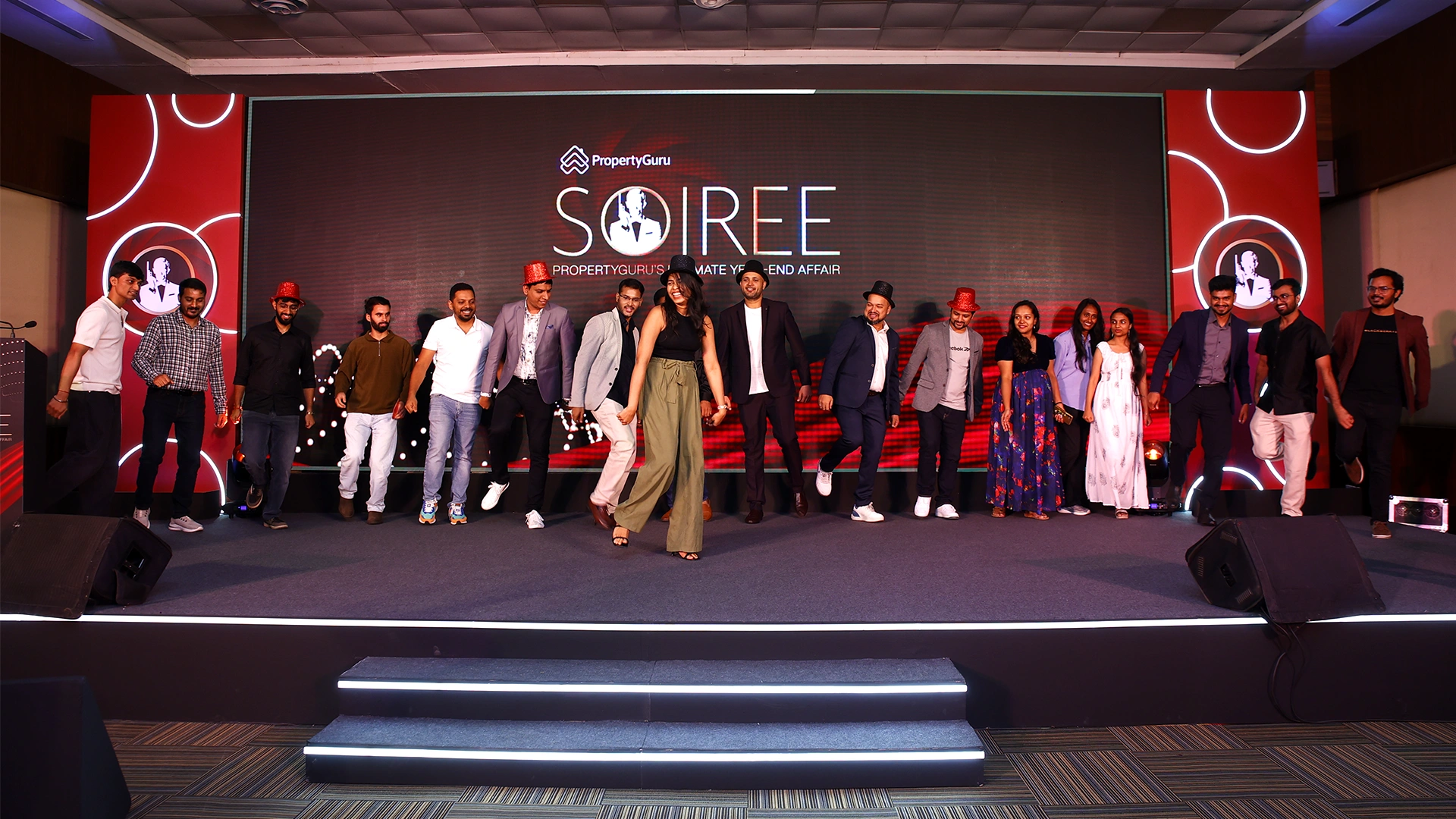
An Annual Employee Event is an opportunity for organisations to bring employees together, celebrate achievements, recognise contributions, and strengthen workplace relationships. Unlike regular office activities, an annual event gives companies the chance to reflect on the year's progress while creating an engaging experience for employees.
A successful programme should combine celebration with meaningful interaction. Depending on the organisation's goals, it can include employee recognition, entertainment, team activities, leadership communication, networking, and a formal dinner.
SKIL Events helps organisations plan and execute annual employee programmes with creative concepts, venue planning, entertainment, production, hospitality, branding, and professional event coordination.
What Is an Annual Employee Event?
An annual employee event is a company-wide gathering organised to celebrate employees, business milestones, achievements, or the completion of another successful year.
The format can vary depending on the organisation's size and culture. It may include:
- Annual celebrations
- Employee recognition
- Awards ceremonies
- Team activities
- Leadership addresses
- Entertainment
- Dinner
- Cultural performances
- Interactive experiences
The event should reflect the organisation's culture while providing employees with an opportunity to relax and connect.
Why Companies Organise Annual Employee Events
An annual programme can serve several purposes beyond celebration.
Companies may use the event to:
- Appreciate employee contributions
- Celebrate business achievements
- Recognise high performers
- Strengthen employee relationships
- Communicate future priorities
- Improve employee engagement
- Encourage cross-team interaction
- Build a stronger sense of belonging
When employees feel recognised and connected to their organisation, the event can contribute to a more positive workplace experience.
Start With a Clear Objective
Before planning an Annual Employee Event, companies should identify what they want employees to take away from the experience.
For example, the objective could be:
Recognition: Celebrate employees and acknowledge their contributions.
Celebration: Mark an important business milestone or successful year.
Engagement: Allow employees to interact outside their normal work environment.
Alignment: Communicate the company's achievements and future direction.
Culture: Reinforce the organisation's values through the event experience.
A clear objective helps determine the right venue, format, activities, entertainment, and communication.
Choosing the Right Venue
The venue can have a significant impact on the event experience.
Companies should evaluate:
- Guest capacity
- Location
- Accessibility
- Parking
- Stage facilities
- Technical infrastructure
- Dining arrangements
- Seating
- Branding opportunities
- Guest movement
For large employee groups, the venue should provide sufficient space for both formal programming and informal interaction.
Designing the Event Theme
A strong theme can bring different event elements together.
The theme may focus on:
- Growth
- Teamwork
- Innovation
- Achievement
- Future goals
- Celebration
- Employee appreciation
Once selected, the theme can be incorporated into invitations, stage design, presentations, entertainment, employee awards, and venue branding.
A consistent theme creates a stronger visual and emotional connection throughout the programme.
Create an Engaging Event Agenda
A well-planned agenda should maintain a balance between formal and informal experiences.
A typical programme could include:
Welcome: Guest registration and refreshments.
Opening: Leadership welcome and introduction.
Business Highlights: Key achievements from the year.
Recognition: Employee awards and appreciation.
Entertainment: Performances or interactive experiences.
Dinner: Networking and informal interaction.
The schedule should include enough breaks so employees do not feel overwhelmed by continuous programming.
Employee Recognition
Recognition can be one of the most important parts of an annual event.
Companies can recognise employees for:
- Outstanding performance
- Leadership
- Innovation
- Teamwork
- Long-term contribution
- Customer service
- Special achievements
Recognition should feel personal rather than routine.
Employee photographs, achievement highlights, personalised introductions, and short videos can make the award presentation more meaningful.
Add Team Activities
Team activities can encourage employees from different departments to interact.
Options can include:
- Interactive games
- Team challenges
- Creative activities
- Music-based experiences
- Quiz competitions
- Problem-solving challenges
The activities should be inclusive and suitable for the participant group.
For larger organisations, employees can be divided into teams to encourage interaction across departments.
Entertainment and Celebration
Entertainment can create energy and excitement during the programme.
Depending on the audience and budget, companies may consider:
- Live music
- Dance performances
- Stand-up comedy
- Cultural performances
- Interactive entertainment
- DJ sessions
- Themed performances
The entertainment should support the overall event concept and company culture.
Food and Hospitality
Hospitality is another important part of the employee experience.
Planning should include:
- Welcome beverages
- Snacks
- Meals
- Desserts
- Dietary preferences
- Seating arrangements
- Service counters
For larger groups, food service should be designed to minimise queues and unnecessary waiting.
A smooth dining experience helps employees spend more time interacting and enjoying the event.
Branding the Employee Experience
An annual event can also reinforce company identity.
Branding opportunities may include:
- Welcome areas
- Stage backdrop
- LED screens
- Photo zones
- Employee awards
- Event signage
- Presentation templates
- Guest kits
Branding should remain consistent without making the event feel overly promotional.
Use Technology to Increase Engagement
Technology can make an annual employee programme more interactive.
Companies can use:
- Digital registration
- Event applications
- Live polls
- Interactive screens
- Digital voting
- Photo sharing
- Social media walls
Technology should have a clear purpose and make participation easier rather than adding unnecessary complexity.
Managing Logistics
Large employee gatherings involve several logistical requirements.
The planning team may need to coordinate:
- Guest registration
- Transportation
- Parking
- Venue access
- Seating
- Production
- Catering
- Entertainment
- Awards
- Photography
- Security
A detailed event schedule and responsibility matrix can help different teams coordinate effectively.
Safety and Contingency Planning
Every Annual Employee Event should include basic contingency planning.
The team should prepare for:
- Technical problems
- Transportation delays
- Weather changes
- Medical situations
- Guest changes
- Vendor delays
- Power interruptions
Backup equipment, alternative arrangements, emergency contacts, and clear escalation procedures can help reduce disruption.
How SKIL Events Supports Annual Employee Events
SKIL Events takes an end-to-end approach to annual employee programmes.
The planning process can include:
- Understanding the company's objectives
- Identifying the employee profile
- Developing the event concept
- Selecting the venue
- Creating the programme
- Planning employee activities
- Coordinating entertainment
- Managing production and branding
- Coordinating hospitality and logistics
- Managing on-ground execution
This integrated approach allows companies to maintain consistency across different event elements.
Planning the Budget
The event budget can vary based on employee numbers, venue, programme duration, entertainment, production, catering, and transportation.
Major categories may include:
- Venue
- Food and beverages
- Production
- Entertainment
- Branding
- Awards
- Transportation
- Photography
- Staffing
- Contingency
Companies should prioritise elements that have the strongest impact on employee experience.
Common Mistakes to Avoid
Making the Event Too Formal
Employees should have opportunities to relax and interact.
Overloading the Agenda
Too many activities can reduce engagement.
Generic Recognition
Awards should feel relevant and personalised.
Ignoring Employee Preferences
Activities and entertainment should reflect the audience.
Poor Time Management
Delays can affect the overall experience.
Weak Contingency Planning
Unexpected issues should have backup solutions.
How to Make the Event Memorable
Personalisation can make an annual programme feel more meaningful.
Companies can consider:
- Personalised employee awards
- Team-based experiences
- Custom event themes
- Employee photo moments
- Interactive games
- Recognition videos
- Themed dinners
- Memory walls
The goal should be to create moments employees will remember rather than simply filling the schedule with activities.
Measuring Employee Response
After the event, companies can collect employee feedback.
Useful areas include:
- Overall satisfaction
- Entertainment
- Recognition
- Activities
- Food
- Venue
- Event organisation
- Suggestions for future programmes
This feedback can help companies improve their future employee engagement initiatives.
Final Thoughts
An Annual Employee Event is more than a yearly celebration. It can provide organisations with an opportunity to recognise employees, communicate achievements, strengthen relationships, and reinforce company culture.
The most successful programmes balance business communication with celebration, recognition, entertainment, and employee interaction.
SKIL Events brings together creative event concepts, venue management, production, hospitality, entertainment, branding, logistics, and on-ground execution to help organisations create engaging annual employee experiences. With thoughtful planning and a clear objective, an annual event can become a meaningful occasion that employees look forward to each year.
 Deutsch
 English
 Arabic
 Français
 Español
 Português
 Türkçe
 Dutch
Dutch
 Italiano
 Russian
 Romaian