


2 Core 22 AWG Cable: A Practical Guide to Selection, Applications, and Performance
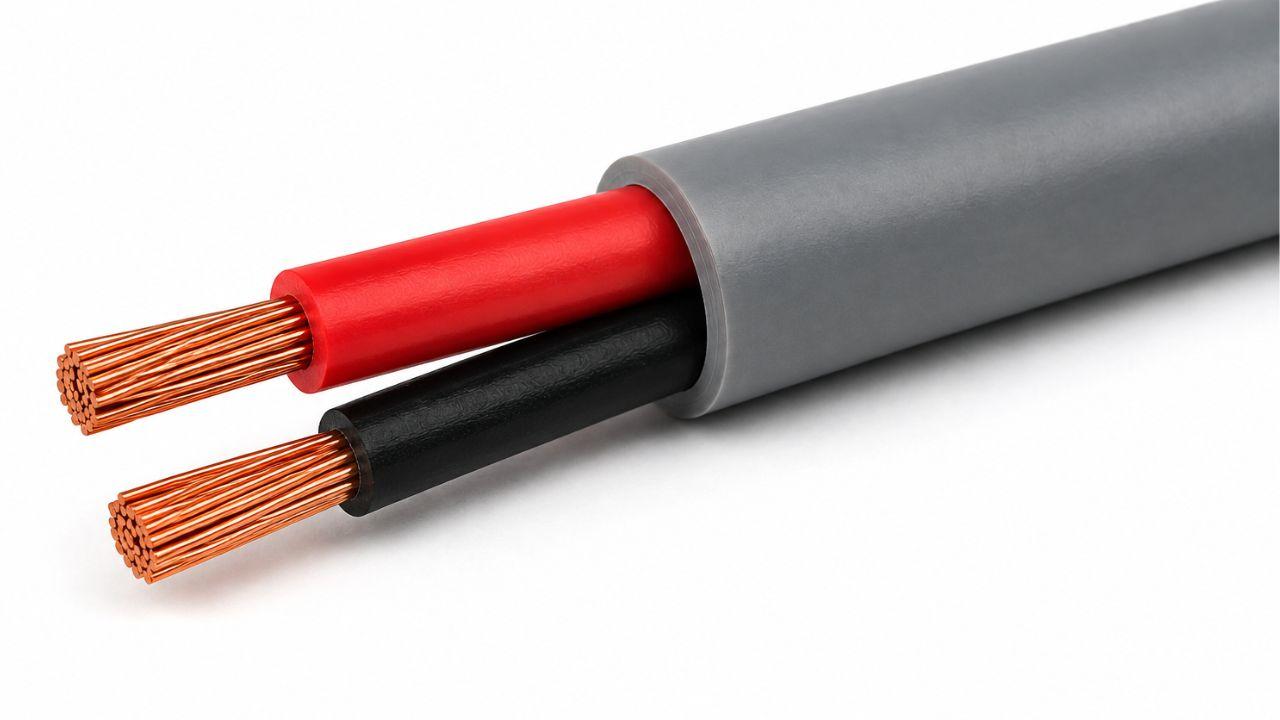
Choosing the right cable is an important part of designing reliable electrical, control, lighting, audio, and instrumentation systems. Among the many cable configurations available today, the 2 core 22 AWG cable is a popular option for applications that require two conductors in a relatively compact cable design.
A two-core cable contains two individual conductors, while 22 AWG identifies the approximate conductor size according to the American Wire Gauge system. Depending on its construction, insulation, shielding, conductor material, and electrical rating, a 2 core 22 AWG cable can be used in different low-power, control, signal, instrumentation, and connection applications.
What Is a 2 Core 22 AWG Cable?
A 2 core 22 AWG cable is a cable containing two electrical conductors, with each conductor sized at 22 AWG. The two conductors can be used for different purposes depending on the application, such as supplying power to a low-power device, carrying control signals, or connecting components within an electrical or electronic system.
The actual performance of a cable depends on more than conductor size. Important specifications can include conductor material, solid or stranded construction, insulation type, outer jacket, shielding, operating temperature, voltage rating, flexibility, and installation environment.
For example, commercially available 2-core 22 AWG cables are produced in both shielded and unshielded configurations. Some versions are designed for audio, control, and instrumentation applications, demonstrating how the same conductor size can be adapted for different uses.
Understanding 22 AWG
AWG, or American Wire Gauge, is a standardized system used to describe the diameter of electrical conductors. In general, a smaller AWG number represents a thicker conductor, while a larger number represents a thinner conductor.
22 AWG is commonly used where a relatively small conductor is appropriate for the intended electrical load and installation requirements. However, it is important not to determine cable suitability based only on the AWG number.
Current capacity, voltage drop, insulation temperature rating, installation method, conductor material, cable length, and applicable electrical standards should all be considered before selecting a cable.
Why Choose a 2 Core Cable?
The two-conductor configuration makes this cable format useful when an application requires two electrical paths without needing a larger number of conductors.
Potential uses can include:
- Low-power electrical connections
- Control wiring
- Instrumentation
- Audio systems
- Electronic equipment
- LED and lighting connections
- Sensors and control devices
- Internal equipment wiring
- Communication-related applications, where the cable's specifications are appropriate
For example, technical documentation for a 2-core 22 AWG unshielded cable lists commercial audio systems, control, and instrumentation as suitable application areas.
Shielded vs. Unshielded 2 Core 22 AWG Cable
One important decision when purchasing a 2 core 22 AWG cable is whether a shielded or unshielded construction is required.
Unshielded Cable
An unshielded cable does not have an additional conductive shield surrounding the insulated conductors. It can be suitable for applications where electromagnetic interference is not a major concern.
Unshielded 2-core 22 AWG cables are available with different conductor constructions and jacket materials. One example uses solid bare copper conductors with PE insulation and an LSZH outer jacket.
Shielded Cable
A shielded cable includes an additional conductive layer designed to help reduce the effects of electromagnetic interference. This can be useful in environments where sensitive signals are routed near electrical equipment, motors, switching devices, or other potential sources of interference.
Some shielded 2-core 22 AWG designs use aluminum foil-polyester tape shielding together with a drain wire.
The choice between shielded and unshielded construction should therefore be based on the electrical environment and application requirements rather than simply selecting the more heavily constructed option.
Common Applications of 2 Core 22 AWG Cable
Control Systems
Two-core cables can be used for certain control connections where only two conductors are required. Before installation, the cable's voltage, current, insulation, and environmental ratings should be checked against the system requirements.
Instrumentation
Instrumentation systems frequently require cables for connecting sensors, instruments, and control equipment. Shielded versions may be considered when signal integrity and interference protection are important.
Audio Equipment
Some 2-core 22 AWG cables are specifically designed for commercial audio applications. The exact cable construction and shielding arrangement should be selected according to the audio system's requirements.
Lighting Systems
Two-conductor cables can also be used in certain lighting applications. For example, commercially available 2-core 22 AWG connection leads are used with particular LED strip systems and can have specified operating-voltage and temperature limits.
This demonstrates why buyers should always verify the complete product specification rather than assuming every 22 AWG cable has the same capabilities.
Important Specifications to Check Before Buying
When searching for a 2 core 22 AWG cable, consider the following specifications:
Conductor Material
Copper is widely used because of its electrical conductivity. Some cables use bare copper, while others use tinned copper depending on the intended application and environmental requirements.
Solid or Stranded Construction
Solid conductors can be suitable for fixed installations, while stranded conductors generally provide greater flexibility. The appropriate construction depends on how the cable will be installed and used.
Insulation
The insulation material protects the conductors and determines various temperature, voltage, chemical, and mechanical characteristics.
Shielding
If the cable will carry sensitive signals in an electrically noisy environment, shielding may be an important consideration.
Operating Temperature
Always check the manufacturer's specified operating temperature range. Different cable constructions can have significantly different temperature capabilities.
Voltage Rating
The cable's voltage rating must be suitable for the intended system. A cable should never be selected solely because it has the correct conductor size.
Cable Length
Longer cable runs can increase voltage drop and affect signal performance. Therefore, cable length should be evaluated together with conductor size and application requirements.
How to Select the Right 2 Core 22 AWG Cable
The best approach is to start with the application rather than the product name.
Ask the following questions:
- What will the cable carry?
Determine whether it will carry power, control signals, audio, instrumentation signals, or another type of electrical connection. - What voltage and current are required?
Verify that the cable is rated appropriately for the intended electrical load. - Is shielding required?
Consider the amount of electromagnetic interference present in the installation environment. - Will the cable move frequently?
Flexible applications may require stranded conductors and a suitable jacket. - What environmental conditions are expected?
Consider temperature, moisture, chemicals, abrasion, UV exposure, and installation location. - What standards must the cable meet?
Commercial and industrial projects may have specific regulatory or customer requirements.
Frequently Asked Questions
What does 2 core 22 AWG mean?
It means the cable has two conductors, with each conductor sized at 22 AWG.
Is 2 core 22 AWG suitable for power?
It can be suitable for certain low-power applications, but suitability depends on the required current, voltage, cable length, installation method, temperature, and manufacturer's specifications. Do not determine current capacity from AWG alone.
Is shielded 2 core 22 AWG better than unshielded?
Not necessarily. Shielded cable can be beneficial in applications where electromagnetic interference is a concern, while unshielded cable may be sufficient for simpler environments.
Conclusion
A 2 core 22 AWG cable can be a practical choice for a variety of electrical, control, instrumentation, audio, lighting, and electronic applications when its specifications match the intended use. The two-conductor configuration provides a simple connection format, while 22 AWG offers a relatively compact conductor size.
However, cable selection should always go beyond the keyword or conductor gauge. Buyers should evaluate conductor construction, insulation, shielding, voltage rating, current requirements, temperature range, flexibility, installation environment, and applicable standards.

 English
 Français
 Español
 Português
 Deutsch
 Türkçe
 Dutch
Dutch
 Italiano
 Russian
 Romaian