


Recovery Tips After Pilonidal Treatment: How to Heal Faster
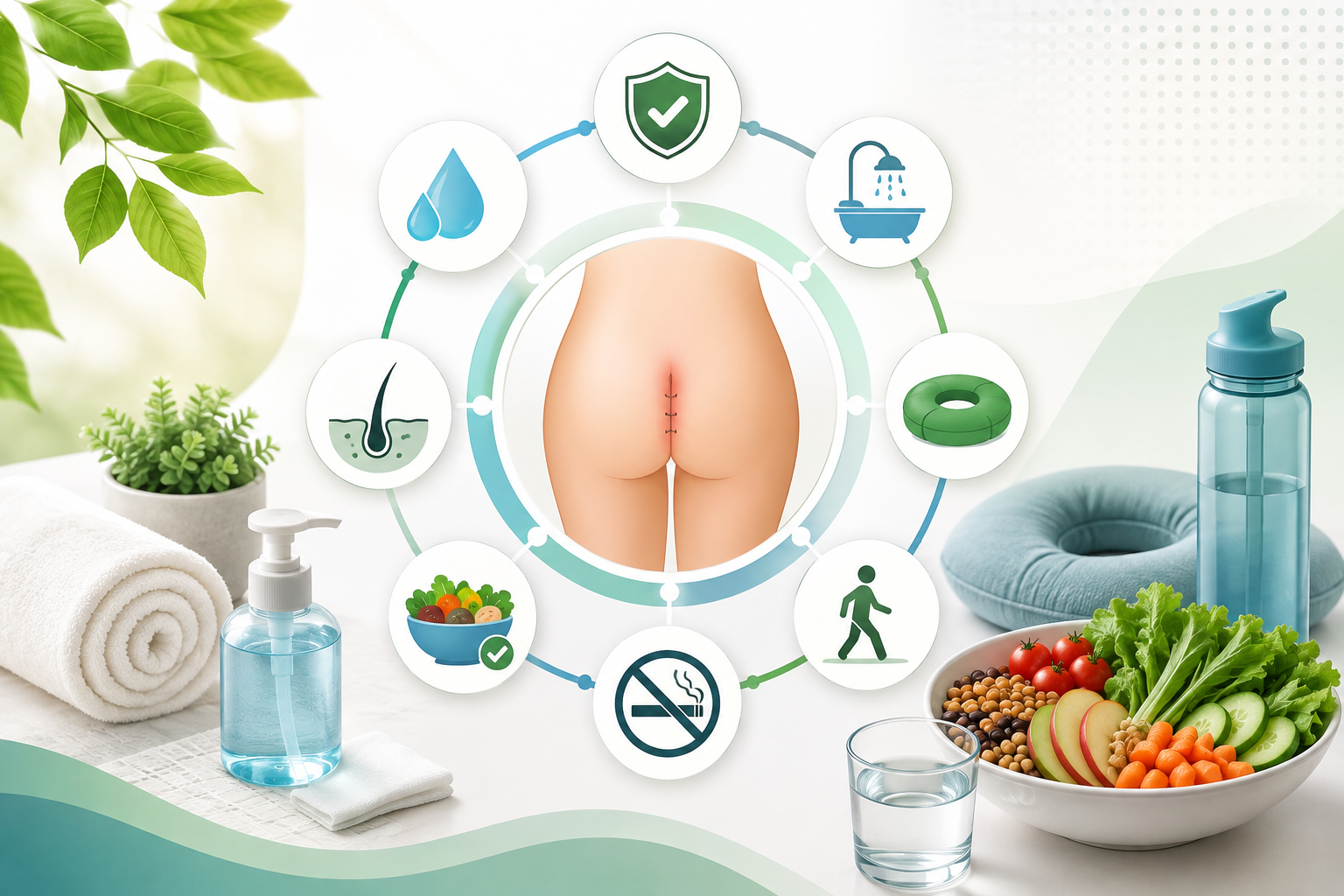
Recovering properly after pilonidal sinus treatment is just as important as the procedure itself. The area near the tailbone experiences pressure, friction, sweating, and movement every day, so following the right aftercare measures can support wound healing and reduce the risk of recurrence.
Whether you have undergone conventional surgery or a minimally invasive procedure, your recovery plan should include proper wound care, hygiene, activity modification, and regular follow-up. Patients undergoing Pilonidal Sinus Treatment in Thrissur should follow the specific instructions provided by their treating surgeon.
What Happens After Pilonidal Treatment?
After treatment, some patients may experience mild pain, tenderness, swelling, or discharge around the treated area. These symptoms can vary depending on the extent of the pilonidal sinus and the type of procedure performed.
Recovery time is different for every patient. A simple sinus may heal relatively quickly, while a complicated or recurrent pilonidal disease may require a longer recovery period.
1. Keep the Area Clean and Dry
Good hygiene is one of the most important aspects of pilonidal sinus recovery. Gently clean the area according to your doctor's instructions and avoid harsh soaps or vigorous scrubbing.
After washing, gently pat the area dry. Keeping the skin clean and dry can reduce moisture, bacterial growth, and irritation around the wound.
2. Follow Your Wound-Care Instructions
Do not change dressings, apply creams, or clean the wound differently from what your surgeon has recommended.
If you have been advised to change the dressing regularly, maintain clean hands and use the recommended materials. Contact your doctor if you notice increasing redness, swelling, severe pain, excessive discharge, or fever.
Proper postoperative wound care is particularly important during the initial healing period.
3. Avoid Prolonged Sitting
Sitting for long periods can place pressure on the treated area, especially during the early stages of recovery.
If your doctor allows you to sit, change your position regularly and take short walking breaks. Avoid spending long periods sitting continuously at work, while travelling, or while using electronic devices.
4. Resume Physical Activity Gradually
Light walking is generally helpful once your doctor permits it. It promotes circulation and helps you return gradually to your normal routine.
However, avoid strenuous exercise, cycling, heavy lifting, or activities that create friction around the tailbone until you have been advised that they are safe.
Your recovery after Laser for Pilonidal Sinus Treatment in Thrissur may be quicker than after some conventional procedures, but activity restrictions should still be followed according to your individual condition.
5. Wear Loose, Breathable Clothing
Tight clothing can increase sweating and friction around the buttock cleft. Choose loose-fitting, breathable cotton clothing during recovery.
Keeping the area cool and dry can make you more comfortable and support healthy skin around the healing wound.
6. Pay Attention to Hair Management
Loose hair entering the healing area can contribute to pilonidal sinus recurrence. Your doctor may recommend an appropriate hair-removal method once the wound has sufficiently healed.
Do not shave or use hair-removal products directly over a fresh wound unless specifically advised. The timing and method should be discussed with your healthcare provider.
7. Maintain a Healthy Diet
A nutritious diet provides the protein, vitamins, minerals, and other nutrients needed for tissue repair.
Include:
-
Fresh fruits and vegetables
-
Whole grains
-
Pulses and legumes
-
Eggs or other protein-rich foods
-
Nuts and seeds
-
Adequate fluids
Good nutrition can support wound healing and help maintain overall health during recovery.
8. Avoid Smoking
Smoking can interfere with wound healing and may increase the risk of postoperative complications. If you smoke, consider discussing ways to stop with your healthcare provider.
Avoiding tobacco during recovery can support better tissue healing.
9. Attend Follow-Up Appointments
Even when you feel better, follow-up appointments are important. Your doctor can check whether the wound is healing properly and identify early signs of infection or recurrence.
An experienced Proctologist in Thrissur can also guide you regarding hygiene, hair management, sitting habits, and when you can safely return to exercise or other activities.
10. Know the Warning Signs
Contact your doctor if you develop:
-
Increasing pain or swelling
-
Persistent bleeding
-
Pus-like discharge
-
Increasing redness around the wound
-
Fever or chills
-
Wound opening
-
A new painful lump near the tailbone
These symptoms may indicate infection or another complication and should not be ignored.
When Is Laser Treatment Considered?
For suitable patients, Laser for Pilonidal Sinus Treatment in Thrissur is a minimally invasive approach that uses controlled laser energy to treat the sinus tract. It may involve smaller wounds and can allow a relatively comfortable recovery in appropriately selected cases.
However, laser treatment is not suitable for every patient. The choice depends on the size, location, complexity, and recurrence of the pilonidal sinus. A proper examination is necessary before deciding on treatment.
Why Choose Dr. Raviram S?
Dr. Raviram S specialises in the management of pilonidal sinus, piles, fissures, and fistulas using modern treatment approaches. He evaluates each patient's condition before recommending an appropriate procedure and recovery plan.
After treatment, Dr. Raviram S focuses on personalised postoperative guidance, including wound care, hygiene, activity modification, and measures that may help reduce recurrence.
Final Thoughts
Good recovery after pilonidal treatment requires patience and consistent aftercare. Keeping the area clean and dry, avoiding prolonged sitting, gradually returning to physical activity, maintaining good nutrition, managing hair appropriately, and attending follow-up appointments can all support healing.
If you have undergone or are considering Pilonidal Sinus Treatment in Thrissur, follow your surgeon's individual instructions rather than relying only on general advice. With appropriate treatment and postoperative care, many patients can return to their normal daily activities comfortably.
For patients who are suitable candidates, Laser for Pilonidal Sinus Treatment in Thrissur can provide a minimally invasive treatment option. Consulting Dr. Raviram S can help you understand the available treatment and recovery options based on your individual condition.

 Arabic
 Français
 Español
 Português
 Deutsch
 Türkçe
 Dutch
Dutch
 Italiano
 Russian
 Romaian