


How Should Laboratories Select Reagents for Reliable, Auditable Results?
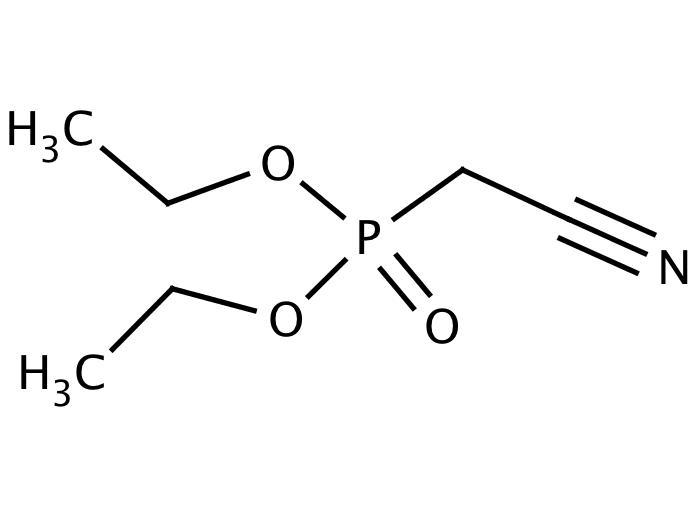
Reliable Reagent Selection Starts with Method Fit
Laboratories achieve dependable results when chemical selection begins with the method, not simply the product name. The right Reagents can support synthesis, biochemical research, pharmaceutical development, materials science and environmental testing. A suitable choice should match the required identity, purity, concentration, physical form and pack size. This fit-for-purpose approach gives researchers a stronger foundation for repeatability, documentation and confident decision-making.
What Does Reagent Grade Actually Tell You?
Reagent grade indicates that a chemical meets a defined quality specification, but the label alone does not prove suitability for every procedure. A general research chemical may perform well in routine preparation yet introduce too much background for trace analysis. Likewise, a highly purified material can add unnecessary cost when the method is not sensitive to minor impurities. Laboratories should compare the specification with the analytical endpoint, instrument sensitivity and accepted method requirements before ordering.
Important details include assay value, water content, trace metals, residue after evaporation, stabilisers and method-specific suitability tests. Powders, crystals and prepared solutions also differ in weighing, dissolution and exposure risk. Reviewing these characteristics before purchase prevents unsuitable choices.
How Does Purity Affect Experimental Performance?
Purity influences background signals, reaction selectivity, yield, colour development and instrument stability. Sensitive workflows often benefit from High purity products when metallic or ionic contaminants could distort a low-level measurement. In identification work, carefully selected Qualitative detection reagents can help produce clearer responses for cation and anion testing without adding unnecessary complexity to routine analysis.
The best grade is therefore the lowest grade that reliably satisfies the validated method. This principle controls cost while protecting data quality. When laboratories change a grade, manufacturer or formulation, they should evaluate the effect through a documented comparison rather than assume equivalent performance from a similar chemical name.
Why Are Documentation and Traceability Essential?
Reliable reagent management connects every result to the material used. Product identity, manufacturer, lot number, date received, date opened, expiry or retest date and storage location should be easy to retrieve. A certificate of analysis can confirm batch-specific properties, while the safety data sheet supports hazard assessment, handling and emergency planning. Both documents should correspond to the exact product and current lot wherever applicable.
Traceability becomes especially important during deviations. If a blank rises, a reaction yield falls or a calibration shifts, complete records help investigators identify whether the reagent, preparation, equipment or sample caused the change. Clear labelling reduces guesswork and supports efficient audits.
How Can Preparation and Calibration Errors Be Reduced?
Prepared solutions require accurate weighing, volumetric control, suitable water quality and a documented preparation sequence. Analysts should record concentration, preparation date, preparer, storage conditions and assigned shelf life. Where instruments or methods require reference points, verified Calibration standards can support performance checks and measurement confidence. For frequently dispensed liquids, compatible Bottle top dispensers can improve repeatability while reducing open pouring and unnecessary exposure.
Preparation containers must also be chemically compatible and clean enough for the intended analysis. Residual detergent, absorbed moisture or leached material can affect a solution even when the starting chemical is suitable. Standard operating procedures should define equipment, mixing order, temperature and acceptance checks for critical preparations.
What Role Does Sampling Play in Reagent Quality?
Incoming inspection is only meaningful when the collected portion represents the original material. Appropriate Sampling tools help laboratories handle liquids, powders, granulates and viscous substances while limiting contamination and supporting chain of custody. Single-use options can be valuable where cleaning verification is difficult or where cross-contamination would have a serious effect.
Before sampling, staff should consider homogeneity, container depth, sample volume and exposure hazards. The container must preserve the chemical during transport and testing. A documented plan ensures that acceptance decisions reflect the supplied material.
How Should Reagents Be Stored and Controlled?
Storage should follow chemical compatibility, temperature limits, light sensitivity, moisture sensitivity and ventilation needs. Suitable Safety cabinets can help separate hazardous materials and organise controlled access, but cabinet choice must reflect the hazards identified in the safety data sheet. Acids, bases, oxidisers, flammables and water-reactive substances may require different storage arrangements.
Teams should keep containers tightly closed, use clean dispensing tools and avoid returning unused material to the original pack. First-expiry, first-out stock rotation reduces waste. Inventory reviews can identify damaged labels, leaks, expired stock and excess quantities.
What Should a Reagent Qualification Checklist Include?
A concise qualification checklist turns technical requirements into a repeatable purchasing decision:
- Confirm the chemical identity, CAS number and required form.
- Match grade and impurity limits to the method's sensitivity.
- Check concentration, stabilisers and relevant suitability tests.
- Review pack size against usage rate and expected shelf life.
- Confirm certificate, safety and traceability requirements.
- Verify container compatibility and required storage conditions.
- Define incoming checks before routine use begins.
This checklist improves communication between scientists, procurement teams and safety personnel. By defining the performance criteria that matter, laboratories make more defensible choices and avoid delays caused by unsuitable substitutions or packaging.
Building a More Reliable Laboratory Workflow
Good reagent control is a complete system that connects selection, receipt, preparation, storage, use and disposal. Laboratories that align specifications with real method needs can reduce troubleshooting, protect instrument performance and improve confidence in every reported result. A structured category-based sourcing approach also makes it easier to compare suitable options without losing sight of purity, documentation or safety. When each reagent is treated as a controlled input, reliable science becomes easier to reproduce, explain and scale.

 Arabic
 Français
 Español
 Português
 Deutsch
 Türkçe
 Dutch
Dutch
 Italiano
 Russian
 Romaian