


How Online Food Ordering Apps Help Restaurants Grow and Win Customers
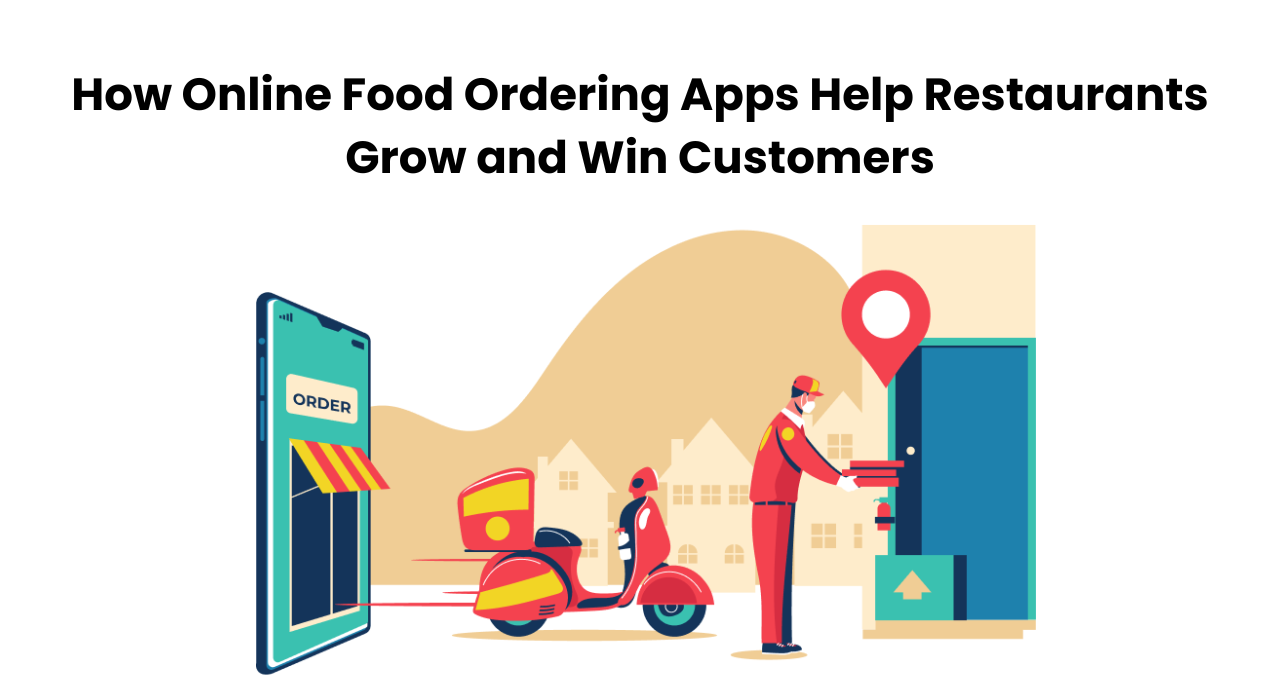
The restaurant industry has changed significantly as customers increasingly prefer ordering meals through digital channels. Convenience, faster service, flexible payment options, and real-time order updates have made online ordering an important part of the modern dining experience. For restaurants, this shift creates an opportunity to reach more customers, increase repeat orders, and build a stronger digital presence.
Online Food Ordering Apps are no longer limited to large restaurant brands. Startups, independent restaurants, restaurant chains, and food entrepreneurs can also use digital ordering platforms to create a convenient ordering experience and compete in a crowded market.
For businesses planning to enter this growing market, the right technology approach can make a major difference. A well-planned online food ordering system can connect customers, restaurants, delivery partners, and administrators through one streamlined platform.
Why Restaurants Are Moving Toward Digital Food Ordering
Traditional restaurant operations depend heavily on customers visiting a physical location or placing orders through phone calls. While these methods still have a place, they can limit how restaurants communicate with customers and manage growing order volumes.
Online Food Ordering Apps give restaurants another channel to serve customers. Customers can browse menus, select meals, customize orders, choose delivery or pickup, and receive updates without making a phone call.
The biggest advantage is convenience. Customers can place an order whenever they want, while restaurants can continue receiving orders through a structured digital process.
According to the changing behavior of food consumers, convenience is becoming a major factor in restaurant selection. Businesses that make ordering simple can create a smoother customer journey and encourage customers to order again.
Key Benefits of Online Food Ordering Apps for Restaurants
1. Reach Customers Beyond the Restaurant
A physical restaurant mainly serves customers within its surrounding area. A digital ordering platform can help restaurants expand their reach across a wider delivery area.
Restaurants can showcase their menus to customers who may never have discovered them through traditional channels. This creates additional opportunities for local growth and customer acquisition.
For restaurant startups, this wider reach can be particularly valuable because establishing visibility is one of the biggest challenges when entering a competitive market.
2. Create a More Convenient Ordering Experience
Customers expect simple and fast digital experiences. They do not want to spend several minutes calling a restaurant, explaining an order, or waiting for confirmation.
Online Food Ordering Apps allow customers to complete the ordering process directly from their smartphones. Menu browsing, item selection, address management, order confirmation, and delivery updates can all be handled within the platform.
A convenient experience can also improve customer satisfaction and increase the possibility of repeat orders.
3. Encourage Repeat Customers
Getting a first-time customer is important, but retaining that customer is even more valuable for long-term restaurant growth.
A digital ordering platform can make repeat purchases easier by allowing customers to view previous orders, save preferred addresses, and quickly reorder popular meals.
Restaurants can also introduce loyalty programs, promotional offers, referral incentives, and personalized deals to encourage customers to return.
4. Support Multiple Ordering Models
Modern restaurants may offer delivery, takeaway, pickup, scheduled orders, or multiple service areas. A flexible platform can support different ordering models based on the restaurant's business requirements.
This flexibility is useful for startups and established businesses that want to test new services without completely changing their existing operations.

Must-Have Features for a Successful Food Ordering Platform
A successful food ordering platform needs more than a digital menu. It should provide useful functionality for customers, restaurant owners, delivery partners, and administrators.
Customer-Friendly Menu Browsing
Customers should be able to quickly find food categories, dishes, prices, descriptions, add-ons, and available options. A clear menu structure reduces confusion and makes the ordering process easier.
Real-Time Order Tracking
Customers want to know what is happening after placing an order. Real-time status updates can show whether the restaurant has accepted the order, started preparing it, handed it to a delivery partner, or completed the delivery.
Multiple Payment Options
Offering different payment methods can make the checkout process more convenient. Depending on the target market, businesses may support cards, digital wallets, cash payments, and other commonly used payment methods.
Ratings and Reviews
Customer reviews help build trust and give restaurants useful feedback. A rating system can also encourage restaurants to maintain consistent food and service quality.
Promotions and Loyalty Programs
Promotional campaigns, discount codes, referral programs, and loyalty rewards can help businesses attract new customers and encourage repeat purchases.
Restaurant Management Tools
Restaurants need practical tools to manage menus, availability, incoming orders, delivery areas, and business operations. Keeping these functions organized can help reduce manual work and improve order accuracy.
How Startups Can Enter the Market With a Clone Solution
Building a food delivery platform from the ground up can require significant planning, development, testing, and continuous improvements. For entrepreneurs who want to enter the market faster, a ready-made clone solution can provide a practical starting point.
A food delivery clone can replicate the core business model used by established food ordering platforms while allowing entrepreneurs to customize the platform according to their target market.
This approach can be useful for businesses that want to launch a local food marketplace, multi-restaurant delivery platform, regional ordering service, or specialized food delivery business.
The objective should not be to simply copy another platform. The better approach is to use a proven business model as a foundation and then introduce features, branding, service options, and customer experiences that make the new platform different.
Choosing the Right Food Delivery App Development Approach
Before starting a project, entrepreneurs should clearly define their target customers, service area, restaurant partnerships, delivery model, and business objectives.
Professional food delivery app development services can help businesses convert these requirements into a structured product strategy. The development approach should focus on usability, scalability, reliability, and the ability to support future business expansion.
For businesses operating across different markets, the platform may also need to support multiple languages, currencies, locations, and regional payment preferences.
The most important point is to avoid building unnecessary features simply because competitors have them. Start with functionality that directly supports the customer and restaurant experience, then expand based on real business requirements.
Building a Scalable On-Demand Food Delivery Business
An on-demand food delivery app development strategy should focus on more than simply connecting customers with restaurants. The platform needs to support the complete ordering journey.
A typical ecosystem may include:
-
Customer application for browsing restaurants and placing orders
-
Restaurant application or dashboard for managing menus and orders
-
Delivery partner application for accepting and completing deliveries
-
Admin management system for overseeing the entire marketplace
This connected structure helps each participant perform their role efficiently.
For entrepreneurs, scalability is especially important. A platform that works for a small number of restaurants should have a clear path for expansion as more restaurants, customers, and delivery partners join the marketplace.

How an Online Food Ordering System Supports Business Growth
An online food ordering system can help restaurants organize orders and provide customers with a consistent digital experience.
Instead of depending entirely on phone calls or manual order management, restaurants can receive digital orders in an organized way. This can reduce communication gaps and make it easier to manage increasing demand.
For restaurant chains, the system can also support multiple locations. Customers can select an appropriate restaurant based on their delivery address, while businesses can manage operations across different service areas.
The data generated through customer orders can also help businesses understand which dishes are popular, when demand increases, and which areas generate more orders. These insights can support better business decisions and menu planning.
Why Online Food Ordering Apps Matter for Future-Ready Restaurants
Customer expectations will continue to evolve. Restaurants that rely only on traditional ordering channels may eventually find it harder to compete with businesses offering convenient digital experiences.
Online Food Ordering Apps provide restaurants with an additional way to connect with customers, manage orders, expand their reach, and create stronger customer relationships.
For startups, this model can also create opportunities to build specialized food marketplaces. Entrepreneurs can focus on specific cuisines, geographic markets, healthy food, local restaurants, corporate meals, or other focused segments.
The key is to identify a genuine market opportunity and build a platform that solves a real customer problem.
Final Thoughts
The growing demand for convenient food ordering is creating new opportunities for restaurants, entrepreneurs, and startups worldwide. Online Food Ordering Apps can help businesses create a direct digital ordering channel while improving convenience for customers.
For entrepreneurs entering this market, choosing the right business model, understanding customer expectations, and selecting a scalable development approach are essential steps.
Whether the goal is to launch a restaurant-specific ordering platform or a multi-vendor marketplace, working with an experienced clone app development company can help turn the concept into a market-ready solution.
The opportunity is not simply about launching another food ordering platform. It is about creating a reliable, convenient, and customer-focused service that restaurants and consumers have a reason to use repeatedly.
Frequently Asked Questions
1. What are Online Food Ordering Apps?
Online Food Ordering Apps are digital platforms that allow customers to browse restaurant menus, select food, place orders, make payments, and receive order updates through a mobile or web-based experience.
2. Are Online Food Ordering Apps useful for small restaurants?
Yes. Small restaurants can use digital ordering platforms to reach more customers, simplify ordering, support delivery or pickup, and encourage repeat purchases without depending entirely on traditional ordering methods.
3. Can startups launch a food delivery platform using a clone solution?
Yes. A clone solution can provide a ready-made foundation based on an established food delivery business model. Startups can customize branding, features, workflows, and service areas according to their business requirements.
4. What should entrepreneurs consider before developing a food ordering platform?
Entrepreneurs should consider their target market, restaurant partnerships, delivery model, service area, customer requirements, payment preferences, scalability, and the features required to support daily operations.
5. Why is an online food ordering system important for restaurants?
An online food ordering system can organize digital orders, improve customer convenience, support multiple ordering channels, and help restaurants manage growing demand more efficiently.

 Arabic
 Français
 Español
 Português
 Deutsch
 Türkçe
 Dutch
Dutch
 Italiano
 Russian
 Romaian