


Can a Root Canal Tooth Last for Years?
When a tooth has been severely damaged by decay, infection, or trauma, many patients wonder whether it can continue functioning for the long term after treatment. The good news is that a properly treated and restored tooth can remain useful for many years.
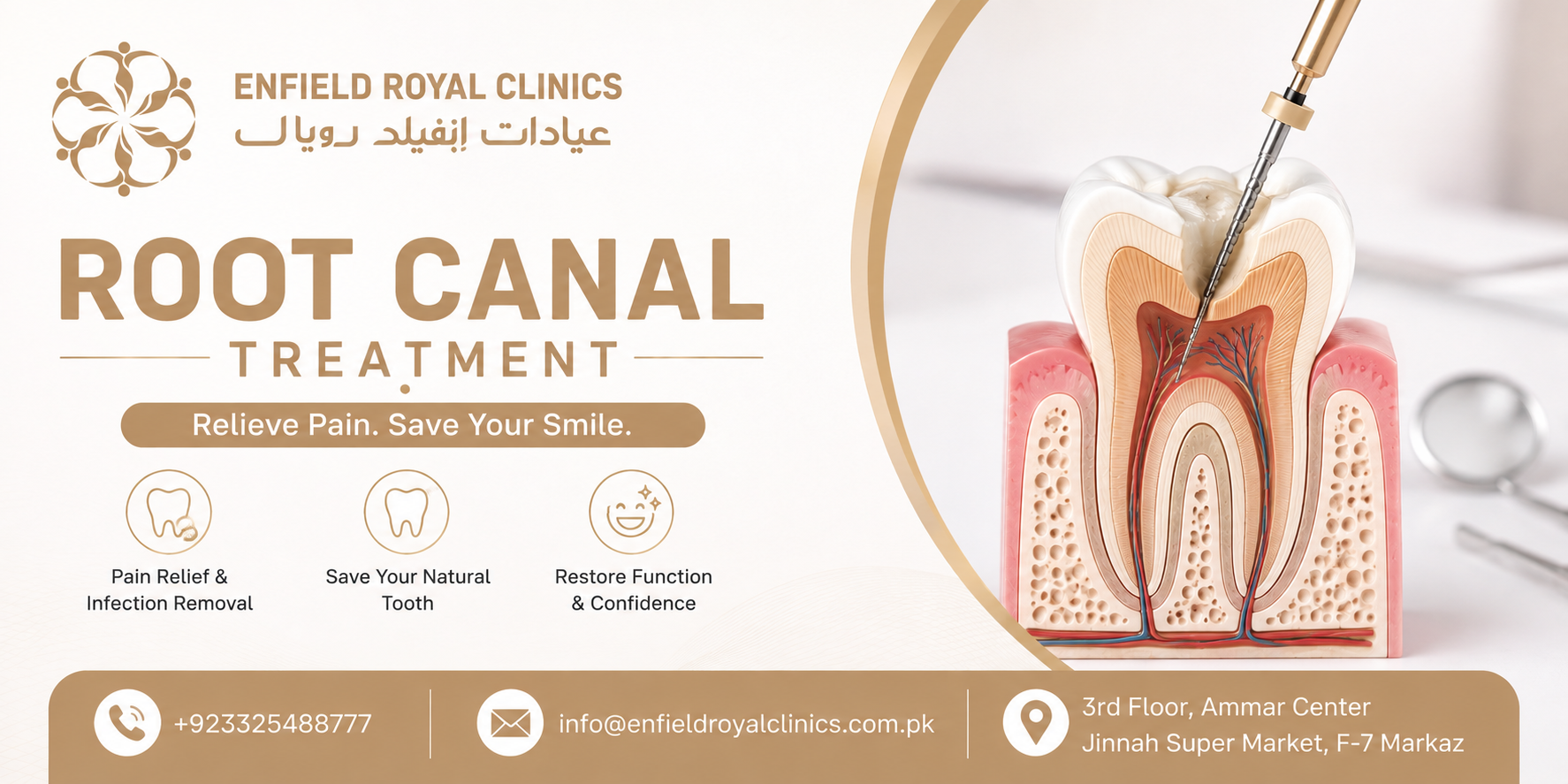
Root Canal Treatment is designed to remove infected or damaged pulp from inside a tooth while preserving the remaining natural structure. However, the long-term success of a treated tooth depends on several factors, including the quality of treatment, the amount of healthy tooth structure left, the final restoration, oral hygiene, and everyday habits.
How Long Can a Treated Tooth Last?
There is no fixed expiration date for a tooth after treatment. Some treated teeth remain functional for many years, while others may develop problems sooner.
The long-term outlook depends greatly on the condition of the tooth before treatment. A tooth with sufficient healthy structure and a stable root may have a more favorable prognosis than one that has experienced extensive decay or fractures.
Good dental care after treatment can also make a significant difference. Regular examinations allow potential problems to be identified before they become more serious.
Why Can a Treated Tooth Remain Functional?
The main purpose of the procedure is to remove the pulp, not the entire tooth. Once the infected tissue has been removed, the canals are cleaned, disinfected, filled, and sealed.
The outer tooth remains in place and can continue to support normal chewing once it has been properly restored.
Although the treated tooth no longer contains living pulp, the surrounding tissues continue to support it. This allows the tooth to remain firmly positioned in the mouth and function much like the neighboring teeth.
What Factors Affect Its Lifespan?
Several factors can influence how long a treated tooth lasts. One of the most important is how much natural tooth structure remains.
A tooth that has lost a large portion of its structure may be more vulnerable to fracture. The quality of the internal treatment and the final restoration are also important.
Other factors include oral hygiene, gum health, bite forces, teeth grinding, diet, and habits that place excessive stress on the teeth.
Regular professional monitoring can help protect the tooth over the long term.
Does a Crown Help a Root Canal Tooth Last Longer?
For some teeth, especially heavily damaged molars and premolars, a crown can provide important protection. Back teeth experience significant chewing forces, and a weakened tooth may be more likely to fracture without adequate coverage.
A crown surrounds the visible portion of the tooth and helps distribute pressure across the remaining structure. It can also restore the tooth's shape and normal chewing function.
Not every treated tooth requires a crown. A front tooth with enough healthy structure may sometimes be restored with a strong permanent filling or another restoration.
The appropriate choice depends on the individual tooth.
What Happens If the Tooth Is Not Restored Properly?
Completing the internal treatment does not necessarily mean the tooth is fully protected. If a weakened tooth remains without an appropriate permanent restoration, normal chewing forces can eventually cause cracks or fractures.
A damaged restoration can also allow bacteria to enter the tooth again. This may lead to new decay or reinfection.
Following the dentist's recommendation for the final restoration is therefore an important part of protecting the results.
Can a Treated Tooth Get Infected Again?
Yes, although successful treatment can provide long-term protection, reinfection is possible.
This may happen if bacteria enter through a damaged filling or crown, if a canal was not fully treated, or if the tooth develops a new crack. In some cases, complex internal anatomy can make certain areas difficult to clean thoroughly.
A previously treated tooth that becomes painful, swollen, or sensitive should be examined. Depending on the cause, retreatment or another procedure may be considered.
Does Oral Hygiene Affect Longevity?
Absolutely. A treated tooth can still develop new decay around its restoration. Maintaining good oral hygiene is therefore essential.
Brush twice daily with fluoride toothpaste and clean carefully between your teeth. Pay attention to the gumline around a crown or filling because plaque can collect in these areas.
Regular dental checkups are equally important. A dentist can examine the treated tooth, restoration, gums, and surrounding structures for early signs of problems.
Can Teeth Grinding Damage the Tooth?
Teeth grinding and clenching can place considerable pressure on both natural teeth and dental restorations. Over time, excessive force may contribute to cracks, wear, or restoration failure.
Patients who grind their teeth may benefit from discussing the habit with a dental professional. A custom protective appliance may be recommended in appropriate cases.
Reducing excessive pressure can help protect a treated tooth and its restoration from unnecessary damage.
What Habits Should You Avoid?
Certain habits can shorten the lifespan of a treated tooth. Chewing ice, biting pens, opening packages with the teeth, or regularly eating extremely hard objects can create excessive force.
These habits can damage natural teeth as well as crowns and fillings.
It is also important not to ignore small changes in the treated tooth. Mild discomfort, a loose crown, or a new crack should be checked promptly rather than allowed to worsen.
Does the Tooth Need Regular Checkups?
Yes. Even when a treated tooth feels completely normal, routine dental examinations remain useful.
Some problems do not cause symptoms immediately. A dentist may identify a damaged restoration, new decay, or changes around the root before they lead to significant pain.
X-rays may sometimes be used during follow-up visits to monitor the surrounding bone and assess the treated area.
Regular monitoring provides an opportunity to manage minor problems before they threaten the tooth.
What Signs May Indicate a Problem?
A previously treated tooth should be checked if you develop persistent pain, swelling, tenderness while chewing, a gum bump, or a noticeable change in the restoration.
New discoloration may also warrant an examination, particularly when combined with other symptoms.
These signs do not automatically mean that the original treatment has failed. The cause could be a new cavity, restoration problem, crack, bite issue, or reinfection.
A professional assessment is needed to determine the exact reason.
Can a Root Canal Tooth Be Used Normally?
Yes. Once the tooth has healed and received an appropriate permanent restoration, it can generally be used for normal chewing.
During the early recovery period, your dentist may recommend avoiding hard foods or excessive pressure. After the final restoration is secure, most patients can return to their usual diet and oral hygiene routine.
The treated tooth should still be cared for just like the rest of your teeth.
Final Thoughts
Yes, a tooth treated with Root Canal Treatment can last for many years when the procedure is performed properly and the tooth receives appropriate restoration and ongoing care. Its lifespan depends on the amount of remaining structure, quality of treatment, restoration, oral hygiene, and everyday chewing habits.
A treated tooth is not completely immune to future problems, so regular dental examinations and prompt attention to new symptoms are important. Protecting the tooth from excessive pressure and maintaining good oral hygiene can improve its chances of remaining functional for the long term.
For more information visit Enfield royal clinic in islamabad

 English
 Arabic
 Français
 Português
 Deutsch
 Türkçe
 Dutch
Dutch
 Italiano
 Russian
 Romaian