


Beyond the Rose Fields: A Pilgrim’s Complete Guide to Taif Ziyarat
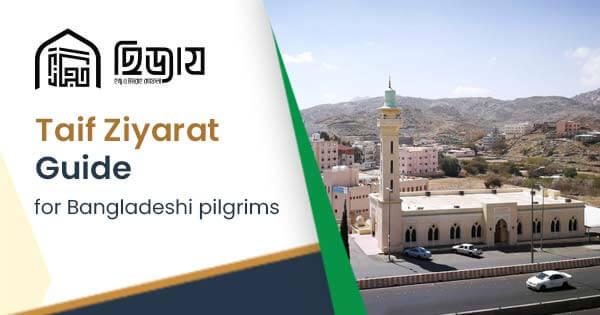
Perched high in the Sarawat Mountains roughly 85 kilometers east of Makkah, the cool city of Taif holds a profound, bittersweet place in Islamic history. While many modern visitors know Taif for its pleasant climate, fruit orchards, and fragrance distilleries, for pilgrims performing Umrah or Hajj, a journey here is a deeply spiritual pilgrimage.
Visiting these historical locations collectively known as Taif ziyarat allows believers to walk the grounds where the Holy Prophet Muhammad ﷺ demonstrated unparalleled patience (Sabr), perseverance, and mercy after facing severe hardship. Planning a day trip from the heat of the lower plains to these elevated valleys offers a sacred opportunity to connect with early prophetic history while reflecting on the sacrifices that shaped the early Islamic community.
The Historical & Spiritual Context of Taif
In the tenth year of Prophethood (Am al-Huzn, the Year of Sorrow), following the passings of Khadijah (RA) and Abu Talib, the Prophet Muhammad ﷺ traveled to Taif on foot accompanied by Zayd ibn Harithah (RA). Seeking protection and support from the leaders of the Thaqif tribe, he was instead rejected and driven away by local mobs.
Despite suffering physical injuries, when the Angel Jibreel (AS) offered to crush the city between the surrounding mountains (Al-Akhshabayn), the Messenger of Allah ﷺ refused, praying instead that Allah would bring forth from their descendants those who would worship Him alone.
This journey of fortitude makes Taif an essential stop for pilgrims seeking to understand the true depth of prophetic compassion.
Must-Visit Historical Sites in Taif
When mapping out your itinerary, these sacred locations and historical landmarks offer an authentic look into early Islamic history and local heritage.
1. Masjid Addas (The Orchard of Refuge)
Located in the verdant Al-Mathnah valley, this quiet mosque marks the garden where the Prophet ﷺ rested after being expelled from the city. It was here that Addas (RA), a Christian slave from Nineveh, brought a platter of grapes to the Prophet ﷺ. Intrigued by the Prophet ﷺ saying "Bismillah" before eating, Addas accepted Islam on the spot. Today, Masjid Addas stands as a gentle reminder of unexpected kindness during times of hardship.
2. Masjid Abdullah ibn Abbas
This prominent mosque is one of the most visited locations in Taif. It is built near the burial site of the Prophet’s cousin, Abdullah ibn Abbas (RA), who was widely revered as Habr al-Ummah (The Scholar of the Nation) and a premier commentator on the Holy Quran. The spacious complex serves as an active place of daily worship and reflection for thousands of local worshippers and international pilgrims.
3. Masjid Al-Kou (The Elbow Mosque)
Situated near the base of the mountains, tradition holds that this site marks the spot where the Prophet ﷺ leaned back or rested against a rock after his arduous trek into the valley. The word Al-Kou references the elbow, marking this humble stone structure as a historic gathering point for travelers seeking a quiet moment of prayer (Nafl).
4. Masjid Al-Madhoun (Qantara Mosque)
Featuring a distinctive cylindrical minaret built during the Ottoman era, this architectural treasure rests amidst the lush fields of Al-Mathnah. Constructed near the ancient orchards where early companions rested, it provides a quiet atmosphere surrounded by traditional stone structures and green farms.
5. Valley of Banu Saad
Located south of Taif, this expansive desert valley is where the Prophet Muhammad ﷺ spent his early childhood years under the care of his foster mother, Halimah al-Sa'diyah (RA). Visiting the valley gives pilgrims an appreciation for the rural, pure bedouin environment where the Prophet ﷺ spent his initial years.
Route Planning, Distance, and Mountain Passes
Getting to Taif from Makkah involves ascending the steep Hijaz cliffs via world-class civil engineering infrastructure.
-
Total Road Distance: Approximately 85 to 90 km from Central Makkah.
-
Average Driving Time: 1.5 to 2 hours depending on road conditions and local stops.
-
Primary Routes:
-
Highway 15 (Al Hada Mountain Road): A dramatic winding mountain pass featuring sweeping hairpins, modern guard rails, and scenic views over the valley. (Note: This route may close briefly during rare instances of heavy fog or torrential rain).
-
Al-Sail Al-Kabeer Route: A slightly longer highway route through northern valleys, preferred by large commercial vehicles and travelers passing through the Miqat at Qarn al-Manazil.
-
Transport Comparison for Pilgrims
Families, elderly pilgrims, and large groups have multiple options for completing the mountain journey.
| Mode of Transport | Duration | Flexibility | Best Suited For | Key Practical Advantage |
| Private Taxi / Minivan | 90 mins | High (Custom stops) | Families, elderly, groups | Direct hotel pickup and custom stop durations |
| Shared Coaster / Bus | 120–150 mins | Low (Fixed route) | Budget solo travelers | Lowest cost per individual ticket |
| Self-Drive Rental | 90 mins | High (Driver-dependent) | Experienced drivers | Total personal schedule control |
Arranging a dedicated ZAM ZAM Umrah Taxi transfer ensures your group travels up the winding mountain pass safely with an experienced local driver accustomed to navigating high-altitude routes.
Practical Advice for First-Time Visitors
-
Check the Weather Before Departure: Taif sits at an altitude of over 1,800 meters above sea level. Temperatures are significantly cooler than in Makkah, especially during winter months (November to February), when lightweight jackets or sweaters are essential.
-
Combine Sacred Sites with Local Heritage: After completing your morning visits to historical mosques, consider stopping at a traditional rose distillery or taking the Al Hada Cable Car (Teleferik) down to Al Kar Tourist Village.
-
Pace Your Journey: Avoid rushing through the valley. Allocate at least 4 to 6 hours for a full-day tour so you can perform voluntary prayers, read Quran at the historical sites, and enjoy lunch without feeling constrained by tight schedules.
-
Mind the Miqat Rules: If you plan to return to Makkah and perform an additional Umrah, ensure your driver stops at the Miqat of Qarn al-Manazil (Al-Sail Al-Kabeer) or Wadi Muharram so you can enter the state of Ihram before crossing the sacred boundary (Meeqat).
Frequently Asked Questions (FAQs)
How far is Taif from Makkah, and how long does it take by road?
Taif is approximately 85 to 90 kilometers east of Makkah. By car or private taxi, the journey usually takes between 1.5 and 2 hours depending on mountain traffic and weather.
What is the most famous mosque to visit during Taif Ziyarat?
Masjid Abdullah ibn Abbas and Masjid Addas are two of the most visited locations due to their deep historical ties to the Prophet Muhammad ﷺ and his noble companions.
Can I assume Ihram in Taif for a second Umrah?
Yes. If you wish to perform another Umrah on your return to Makkah, you can make your intention and enter Ihram at the Miqat point at Wadi Muharram or Qarn al-Manazil located near Taif.
Is the road from Makkah to Taif safe for families?
Yes. Highway 15 (Al Hada Pass) is a modern, multi-lane road equipped with strong safety barriers, bright street lighting, and regular emergency services.
What is the best time of year to undertake Taif Ziyarat?
While visits can be conducted year-round, the spring season (March to April) is particularly pleasant as the famous Taif damask roses bloom across the mountainsides.

 Arabic
 Français
 Español
 Português
 Deutsch
 Türkçe
 Dutch
Dutch
 Italiano
 Russian
 Romaian