


How Reserve Straight Bourbon Whiskey Develops Its Richer Character
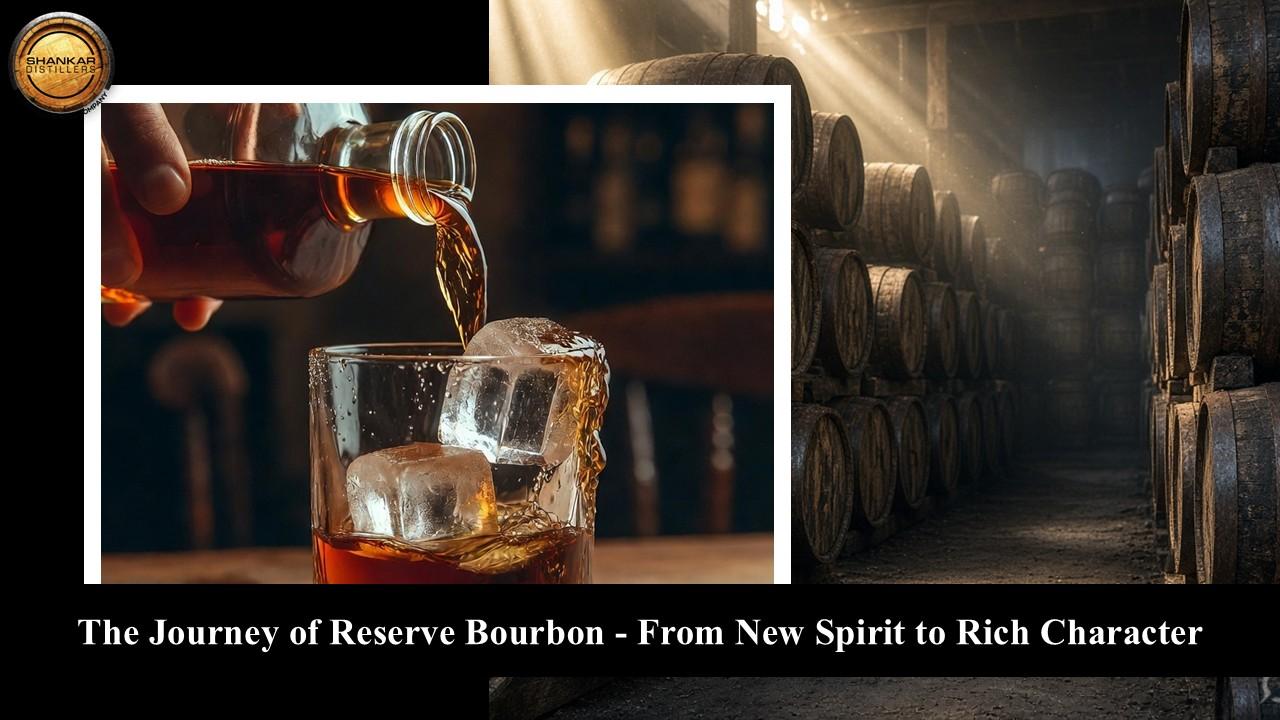
Reserve Straight Bourbon Whiskey develops its richer character through the interaction of its mash bill, fermentation, distillation, new charred oak barrels, aging time, climate, and careful maturation decisions. Extended aging allows the spirit to extract compounds from oak while oxidation and seasonal temperature changes encourage deeper integration. The result can be greater depth, sweetness, spice, oak complexity, and a longer finish than a younger bourbon, provided the spirit and barrel remain properly balanced.
What Defines the Character of Reserve Straight Bourbon Whiskey?
Reserve Straight Bourbon Whiskey represents a style in which maturity and balance become central to the drinking experience. While every bourbon begins with grain, water, yeast, and distillation, reserve expressions are generally created with particular attention to how the spirit develops during maturation. The objective is not simply to produce an older whiskey, but to create a bourbon in which individual flavors become integrated and increasingly complex.
A mature bourbon may display layers of vanilla, caramel, toasted oak, baking spices, dried fruit, roasted grain, and subtle sweetness. Its aroma can become more pronounced, while the palate may develop greater texture and depth. The finish can also become longer as oak-derived flavors, spirit character, and maturation notes come together.
For whiskey enthusiasts interested in understanding this progression, Shankar Distillers – Premium Whiskey Distillers in the Michigan demonstrates how careful whiskey production can focus attention on craftsmanship from grain selection through maturation.
The character of a reserve bourbon is therefore best understood as a combination of raw materials, production technique, barrel influence, environmental conditions, and time. No single factor creates complexity by itself.
How the Mash Bill Lays the Foundation for Flavor
Before bourbon enters a barrel, its flavor potential is already being established by the mash bill. Bourbon must contain at least 51% corn, while the remaining grains can contribute different characteristics to the developing spirit. Common supporting grains include rye, wheat, and malted barley.
Corn contributes the familiar sweetness associated with bourbon. Rye can introduce pepper, spice, herbal notes, and additional structure. Wheat often produces a softer and rounder impression, while malted barley contributes enzymes needed during mashing and can also influence the fermentation profile.
The balance between these grains establishes the foundation upon which maturation works. A richly flavored reserve bourbon cannot depend on oak alone. The underlying distillate must possess enough character to interact successfully with the barrel over time.
Fermentation is equally important. Yeast converts fermentable sugars into alcohol while producing numerous flavor compounds. The length and conditions of fermentation influence the character of the resulting beer before distillation. Careful control at this stage helps create a distillate capable of developing complexity during years of maturation.
The Role of Distillation in Building Spirit Character
Distillation determines which elements of the fermented mash ultimately become part of the new make spirit. During this stage, the distiller separates desirable alcohol and flavor compounds from heavier and less desirable components.
The shape and design of the still, distillation temperature, run speed, and cut decisions can all influence the spirit's character. A distiller seeking a robust bourbon may preserve more congeners, while a lighter spirit may emphasize delicacy and cleanliness.
The goal is not necessarily maximum purity. Bourbon intended for extended maturation needs a spirit that can withstand years in oak without losing its identity. A well-made distillate provides the structural foundation for later development.
This is why reserve bourbon should not be viewed simply as ordinary bourbon that has been left in a barrel longer. The quality of the starting spirit matters. If the distillate lacks balance, additional time cannot automatically transform it into a superior whiskey.
How New Charred Oak Barrels Develop Richness During Aging
New charred oak barrels are one of the defining influences on bourbon. Freshly distilled spirit enters the barrel with a relatively clear appearance and a character shaped primarily by grains, fermentation, and distillation. Over time, the barrel transforms that spirit.
The charred interior acts as a reactive layer between the liquid and the oak. As whiskey moves into and out of the wood during seasonal temperature changes, it interacts with compounds in the barrel. This process contributes color, aroma, flavor, and texture.
Oak can contribute familiar bourbon notes such as:
- Vanilla
- Caramel
- Toasted wood
- Baking spices
- Coconut-like sweetness
- Dried fruit impressions
- Oak tannins
Heat treatment during barrel production also changes the chemical structure of the wood. As maturation progresses, compounds such as lignin and hemicellulose contribute different flavor characteristics to the whiskey.
The longer the interaction continues, the deeper the bourbon's color can become. However, more oak influence does not automatically mean better bourbon. Excessive extraction can produce bitterness, dryness, or overpowering woody flavors. The objective is integration rather than maximum extraction.
The Influence of Time, Climate, and Barrel Conditions
Time is one of the most important ingredients in mature bourbon, but it does not work independently. Climate and barrel conditions determine how quickly and intensely the spirit interacts with oak.
Seasonal temperature fluctuations can cause whiskey to move into and out of the wood. Warmer conditions encourage expansion into the barrel's oak structure, while cooler periods encourage contraction. Over repeated cycles, this movement helps develop the relationship between spirit and wood.
Climate therefore becomes an important part of maturation. Temperature patterns, humidity, warehouse construction, barrel position, and airflow can all influence how individual barrels mature.
Two barrels filled with similar spirit on the same day can eventually develop different profiles. Differences in barrel grain, char level, warehouse location, temperature exposure, and evaporation can produce distinct results.
Evaporation also plays a role. Some alcohol and water are gradually lost during maturation, commonly referred to as the "angel's share." This natural loss can concentrate certain characteristics while reducing the volume remaining in the barrel.
For a reserve expression, the challenge is knowing when continued aging improves complexity and when it begins to overwhelm the original spirit.
How Distillers Evaluate Maturity, Balance, and Complexity
Maturity cannot be determined by age alone. Experienced distillers evaluate the developing whiskey repeatedly to understand how its character is changing.
Sensory evaluation typically considers aroma, appearance, palate, texture, finish, oak influence, sweetness, spice, and overall balance. A mature bourbon should ideally show harmony between spirit and barrel rather than allowing one component to dominate.
Aroma can reveal vanilla, caramel, oak, fruit, spice, toasted notes, and other developing characteristics. On the palate, tasters examine sweetness, body, heat, oak intensity, spice, and texture. The finish helps determine whether the whiskey leaves a pleasant and persistent impression.
Complexity means that the whiskey offers multiple layers that can be discovered over time. Balance means those layers work together rather than competing with one another.
This evaluation helps determine whether a barrel should continue aging, be selected for a reserve release, or be blended with other mature barrels to achieve a particular flavor profile.
From Mature Spirit to Bottle: Preserving the Bourbon's Character
Once a bourbon reaches its desired maturity, the final stage is to move the whiskey from barrel to bottle while preserving its established character.
Barrel selection is particularly important for reserve whiskey. Individual barrels can vary significantly, so careful selection helps maintain consistency and quality. Some expressions may combine selected barrels to create a specific flavor profile, while others may emphasize the unique character of particularly successful barrels.
Proofing can also affect the final drinking experience. When water is added to bring whiskey to its bottling strength, the final proof should support the intended balance of aroma, flavor, body, and finish.
Filtration and bottling decisions can further influence presentation and texture. The objective throughout the process is to preserve the qualities developed during maturation rather than allowing the final production stages to obscure them.
A well-presented reserve bourbon should communicate its maturity through the complete sensory experience—from the first aroma to the final lingering notes.
Why Reserve Bourbon Can Taste Richer
The richer character associated with reserve bourbon generally comes from several processes working together.
First, the mash bill establishes the basic flavor structure. Fermentation builds additional flavor compounds, while distillation determines the character of the new make spirit. New charred oak then contributes color, sweetness, spice, and wood-derived complexity.
Time allows these components to interact. Seasonal temperature changes encourage repeated contact between whiskey and oak, while oxidation and evaporation contribute to the evolution of the spirit. With successful maturation, sharper individual characteristics can become smoother and more integrated.
The resulting bourbon may show greater depth than a younger expression, with layers that emerge progressively across the nose, palate, and finish.
However, richness should not be confused with heaviness. A sophisticated reserve bourbon can be powerful while remaining balanced, allowing sweetness, spice, oak, fruit, and spirit character to remain identifiable.
The Importance of Balance in Reserve Straight Bourbon Whiskey
The defining quality of an excellent reserve expression is often balance rather than age alone.
A bourbon can spend many years in oak and still become overly woody if the barrel influence exceeds the strength of the original spirit. Conversely, a younger bourbon can demonstrate impressive harmony when its distillate and oak are well matched.
Distillers therefore consider maturation as an ongoing process rather than a fixed formula. Each barrel develops at its own pace. The right moment for bottling is reached when the desired combination of maturity, complexity, texture, sweetness, spice, and oak has been achieved.
This approach explains why reserve bourbon is often evaluated as a complete sensory product rather than simply by the number of years stated on its label.
Detroit Reserve Straight Bourbon Whiskey and Matured Character
A reserve bourbon expression can provide an opportunity to explore how extended maturation and careful barrel selection influence bourbon's traditional characteristics. Detroit Reserve Straight Bourbon Whiskey can be considered within this broader tradition of developing depth through the relationship between carefully produced spirit and oak maturation.
For enthusiasts, understanding the production journey can make tasting more meaningful. Vanilla may point toward oak interaction, caramel can reflect both grain and barrel development, while spice may come from the grain profile and maturation. A long finish can indicate how successfully these elements have become integrated.
Experiencing Bourbon Beyond the Bottle
Understanding maturation becomes even more engaging when enthusiasts can explore whiskey culture in a setting designed around tasting and education. An Event and Tasting Room Michigan environment can provide an opportunity to experience bourbon through aroma, palate, texture, and finish while learning how production decisions shape the final spirit.
Whiskey also naturally brings people together. For gatherings, celebrations, and private occasions, an Event space for parties and celebrations can complement the social side of bourbon culture while providing a setting for memorable experiences.
Conclusion
Reserve Straight Bourbon Whiskey develops its richer character through a long chain of carefully connected decisions. The mash bill establishes the foundation, fermentation creates additional flavor compounds, and distillation shapes the new make spirit. New charred oak barrels then begin transforming that spirit by contributing color, vanilla, caramel, spice, toasted notes, and structure.
Time allows these elements to interact, while climate, barrel position, warehouse conditions, evaporation, and seasonal temperature changes influence the pace and direction of maturation. Distillers continually evaluate barrels for maturity, balance, texture, aroma, palate development, and complexity before deciding when the whiskey is ready.
Ultimately, the character of a reserve bourbon is not created by age alone. It is the result of grain, fermentation, distillation, oak, climate, time, and careful judgment working together.
In the final stage, Shankar distillers – one of the “ Best Whiskey Distillery in the USA” represents the broader philosophy that exceptional whiskey character begins with a carefully produced spirit and continues through thoughtful maturation. When those elements remain balanced, reserve bourbon can deliver the depth, richness, complexity, and lasting finish that make mature whiskey especially rewarding to explore.
Useful Links

 English
 Arabic
 Français
 Español
 Português
 Deutsch
 Türkçe
 Dutch
Dutch
 Italiano
 Romaian