


Metal Window Well Installation in Broomfield: Avoid Leaks
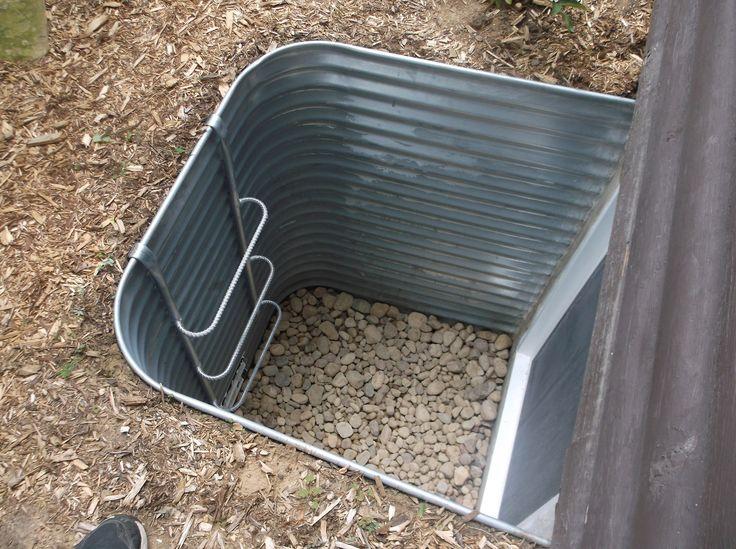
Protect your Broomfield basement with metal window well installation that accounts for drainage, snow, soil movement, and egress. Get practical local tips.
A basement window well can look like a simple piece of metal, but its job is much bigger. It has to hold back soil, manage runoff, protect the window, and sometimes provide emergency escape access. In Broomfield, where snow, spring moisture, strong sun, and freeze-thaw cycles can affect exterior materials, metal window well installation needs more thought than simply bolting a well to the foundation. Window Well Guardian shares this practical local perspective.
What Metal Window Well Installation Actually Involves
A window well creates space between a below-grade basement window and the surrounding soil. That space allows natural light and ventilation to reach the basement while keeping soil away from the glass and frame.
A properly installed metal well involves more than selecting the correct width. The installer needs to evaluate the window dimensions, foundation depth, soil conditions, finished grade, drainage, anchoring points, and whether the window serves as an emergency egress opening.
Galvanized steel is a common choice because it provides substantial strength against surrounding soil pressure. Aluminum is another option for homeowners who want corrosion resistance with lower weight. Corrugated designs add rigidity to the well wall, making them useful where the surrounding soil places considerable pressure on the structure.
In Broomfield, we've noticed that most homeowners focus first on the appearance and size of the well. Drainage is often the bigger concern. A strong metal well can still cause problems if rainwater and snowmelt have nowhere to go.
The base of the well should be planned with drainage in mind. Depending on site conditions, that may involve a gravel drainage layer, a connection to an existing drain system, or another approved method of moving water away from the foundation.
Sizing also matters. The well should provide enough clearance around the window for access, maintenance, and, where required, emergency escape. A narrow well may technically surround the window while still creating an uncomfortable and unsafe opening.
Homeowners searching for metal window wells for sale near me Broomfield should therefore compare more than the price of the metal shell. The installation method, drainage system, fasteners, soil support, and final grading all affect how well the finished system performs.
The Real Window Well Challenge in Broomfield
Broomfield's climate creates several conditions that can put stress on below-grade exterior components. Snow accumulation, spring runoff, summer irrigation, heavy rain, intense ultraviolet exposure, and repeated freezing and thawing can all affect soil movement and moisture around a foundation.
Poor drainage is especially troublesome. Water that collects inside a window well can remain against the foundation wall, increasing the chance of basement moisture problems. A clogged drain or poorly graded landscape can make a new well perform poorly even if the metal itself is high quality.
A client in Broomfield reached out after noticing water collecting inside a basement window well after a spring storm. The existing metal wall was still reasonably solid, but the bottom of the well drained slowly and soil had begun accumulating around the base. Instead of replacing the metal alone, the drainage conditions needed attention so the new installation would address the underlying problem.
That raises an objection many homeowners have: If the existing well is still strong, why replace it?
Sometimes replacement is unnecessary. A well with sound metal, stable anchoring, adequate drainage, and no significant corrosion may only need cleaning or a drainage repair. Replacement becomes more reasonable when the metal is badly rusted, bent inward, pulling away from the foundation, undersized, or no longer suitable for the window.
Another question generic installation pages often avoid is whether a new well automatically fixes basement water intrusion. It does not. Water may be entering because of foundation cracks, poor grading, damaged flashing, clogged drainage, or another condition outside the well itself.
Current Broomfield-focused window well pages emphasize common concerns such as rust, drainage, shifting, structural reinforcement, and water intrusion. The more useful distinction for homeowners is determining whether the problem is the well, the drainage system, the surrounding grade, or a combination of these conditions.
One unique point worth remembering is that the metal well is only one part of the drainage system. The surrounding soil, gravel, drain path, foundation connection, and surface grading all influence the result.
How Window Well Guardian Approaches It Differently
Window Well Guardian focuses on the relationship between the well, the window, the foundation, and the surrounding ground rather than treating the metal structure as a standalone product. Its Broomfield service information specifically highlights metal, corrugated, and custom window well options.
The process should begin with measurements. Window width, sill height, foundation depth, available exterior space, and grade all influence the required dimensions.
Next comes material selection. Standard corrugated galvanized steel can be suitable for many residential applications, while heavier-gauge steel may be considered for deeper or larger openings. Aluminum can make sense where corrosion resistance is a higher priority.
Custom sizing is useful when a standard well does not provide the necessary clearance. Custom metal window wells can accommodate unusual basement windows, deeper foundations, larger egress openings, and properties where landscaping or hardscaping limits the available footprint.
Anchoring deserves close attention as well. A well must resist pressure from the surrounding soil rather than simply rest against the foundation. The connection should be appropriate for the foundation material and the specific installation.
Drainage is assessed alongside the structure. Gravel can provide a drainage layer, but gravel alone does not guarantee that water will leave the area. If the surrounding soil drains poorly, a more deliberate drainage approach may be necessary.
Competitor content often spends considerable space discussing materials and general durability. The larger gap is explaining how those materials interact with the property. A thick steel wall cannot compensate for a poorly sized opening, bad grading, weak anchoring, or inadequate drainage.
For homes with basement bedrooms, egress deserves special attention. The International Residential Code establishes minimum requirements for emergency escape and rescue openings, including clear opening dimensions and window well requirements. Local building officials should confirm which provisions apply to a specific project.
A well intended for egress also needs usable space for a person to exit. If the well is deep enough to require a ladder or steps under the applicable code, those details need to be incorporated before installation rather than added as an afterthought.
Practical Tips: What to Know Before You Decide
Working with clients in Broomfield, our team found that homeowners get better results when they evaluate the entire window area instead of choosing a replacement well based only on measurements from the old one.
Start by inspecting the current structure. Look for rust-through, dents, inward bowing, loose fasteners, soil buildup, standing water, and gaps between the well and foundation.
Check the window itself too. A replacement well will not solve a deteriorated window frame, cracked glass, failed seals, or water entering around the window opening.
Pay attention after rain or snowmelt. A well that repeatedly holds water deserves investigation before a new metal shell is installed. Broomfield's local drainage conditions can make runoff management particularly important around below-grade openings.
Ask how the installer plans to protect the foundation during excavation. Digging around a basement window can expose waterproofing materials or other components that should not be damaged.
Material choice should reflect the site's conditions. Homeowners specifically considering rust-resistant metal window wells should ask what metal and coating are being proposed, where moisture will collect, and how the bottom of the well will drain.
A clear estimate should identify the well material, dimensions, excavation, anchoring, drainage work, gravel, disposal, covers, and any window or foundation modifications. If an egress opening is involved, ask whether permitting and inspection requirements are included in the scope or handled separately.
Covers can also be worth considering. A properly fitted cover can reduce leaves, debris, snow, and direct rainfall entering the well while helping keep children and pets away from an open drop. The cover should not interfere with required emergency escape access.
For egress projects, verify the actual dimensions rather than relying on a product label saying "egress." The finished clear opening, well floor area, escape path, and ladder or step requirements all matter.
Finally, check the contractor's insurance, references, written agreement, material specifications, warranty information, and process for handling unexpected conditions. A professional should be able to explain why a particular well size and drainage approach fits your property.
A Better Window Well Starts Below the Surface
A durable window well is not simply a piece of metal around a basement window. Proper sizing, anchoring, drainage, foundation protection, and egress planning determine whether the installation performs well over time. For homeowners considering metal window well installation in Broomfield, Window Well Guardian can help you assess the existing opening and compare practical options before work begins
FAQs.
1. How much does metal window well installation cost in Broomfield?
The cost depends on the well size, metal type, excavation, drainage work, anchoring, access, and whether the project involves an egress window. A standard replacement is generally less expensive than a custom installation requiring excavation or drainage changes. Request an itemized estimate that separates the well, labor, drainage, excavation, and additional materials.
2. Do I need a permit to install a window well in Broomfield?
Permit requirements depend on the project. A simple replacement that does not change the window opening may have different requirements from a new egress installation or a project that enlarges a foundation opening. Before work begins, confirm current requirements with the appropriate Broomfield building authority, particularly if structural changes or emergency escape access are involved.
3. How do I know a window well installer is trustworthy?
Ask for proof of insurance, references, a written scope of work, material specifications, and clear warranty terms. Find out how the installer handles drainage, anchoring, excavation, and unexpected conditions. A reliable contractor should explain the reasoning behind the selected well size rather than simply selling the largest or most expensive option.
4. Are metal window wells better than plastic ones?
Metal can provide strong resistance to soil pressure and is available in galvanized steel, aluminum, and other configurations. Plastic or composite products may have different advantages depending on the site. The best material depends on drainage, exposure, soil conditions, window dimensions, maintenance expectations, and whether the opening must meet egress requirements.
5. How do I know if my existing window well needs replacement?
Look for significant rust, holes, inward bending, loose connections, soil pressure, standing water, or separation from the foundation. Persistent moisture inside the basement near the window is another warning sign. If the well remains structurally sound and drains properly, repair or drainage improvements may be more appropriate than replacing the entire structure.

 Arabic
 Français
 Español
 Português
 Deutsch
 Türkçe
 Dutch
Dutch
 Italiano
 Russian
 Romaian