


Signs Your Lock Is Failing and Needs a Pro
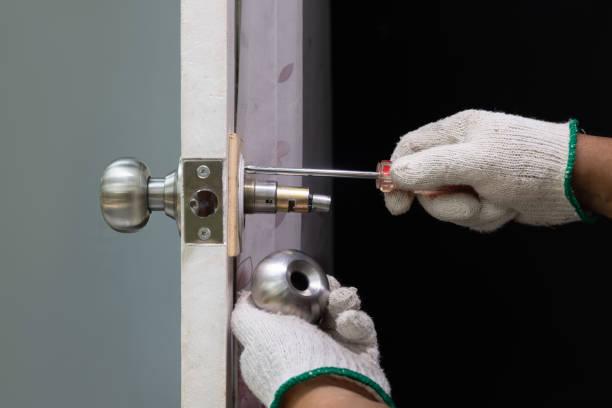
Most people ignore a sticky lock for months. It's annoying, sure, but it still works, so it gets pushed to the bottom of the to-do list. The problem is that some of those quirks aren't just minor wear. They're early warnings that your lock is close to failing completely, or worse, that it's already easier to defeat than you think. Knowing which signs actually matter can save you from a 2 a.m. lockout or a break-in that a working lock would have stopped. If you're in the Lehigh Valley area and something feels off, reaching out to a Locksmith in Allentown PA sooner rather than later is almost always the smarter call.
Physical Warning Signs on Your Door Lock
Start with what you can see and feel. A key that sticks when you insert it, or one that turns with noticeably more resistance than it used to, is telling you the cylinder pins are worn or dirty. That's not always catastrophic on its own, but it's a sign the mechanism is working harder than it should. Sometimes a good cleaning and lubrication fixes it. Other times it doesn't, and you find out the hard way.
Rust and corrosion on the outside of the cylinder are bigger red flags. Surface rust on the door itself is one thing. But once oxidation gets into the keyway or onto the shackle of a padlock, the internal components are probably compromised too. A corroded lock cylinder is weaker, slower to respond, and in some cases can be forced open with much less effort than a healthy one.
Then there's the wobbly deadbolt. If your deadbolt feels loose in the door, doesn't sit flush in the strike plate, or has visible play when you push on it, that's a structural problem. The bolt isn't fully engaging the frame. That gap is exactly what someone with a credit card or a pry bar looks for. Don't wait on that one.
Behavioral Red Flags During Normal Use
Sometimes the problem isn't visible at all. It shows up in how the lock behaves. A lock that only works when you hold the key at a certain angle, or one that requires a little jiggle before the bolt slides, is telling you the internal components are misaligned or worn past their tolerance. It works today. It might not work tomorrow.
Grinding or clicking sounds during normal operation are worth paying attention to. Locks shouldn't make much noise. A grinding sound usually means metal-on-metal contact somewhere inside the cylinder that shouldn't be happening. A clicking or snapping sound when you turn the key can mean a broken pin spring or a worn cam. According to information from the Wikipedia page on security locks, pin tumbler cylinders rely on precise spring tension to function correctly, and once that tension is off, the lock becomes unreliable in ways that aren't always obvious from the outside.
One thing people underestimate is how quickly a misbehaving lock can go from "annoying" to "completely stuck." The mechanism doesn't usually give you a lot of warning. If you're already noticing these behavioral signs, that's your window to get it looked at before it closes on you at the worst moment.
Security Events That Always Warrant a Call
There are a few situations where you shouldn't even spend time wondering. Just call. If someone attempted to break into your home or car, even if they didn't get in, the lock may have been damaged in ways you can't see. A forced entry attempt can bend the bolt, damage the strike plate, or weaken the cylinder enough that it's now much easier to defeat a second time.
Lost or stolen keys are another automatic call. Most people hope for the best and never rekey. That's a real gamble. You don't know who found those keys, whether they know your address, or whether they're planning to use them. A Local Locksmith in Allentown PA can rekey your cylinders so the old keys don't work anymore, usually for less money than you'd expect.
Moving into a previously occupied property is the third one. You have no idea how many copies of those keys are floating around. Former tenants, contractors, neighbors, ex-partners of the previous owner. Rekeying or replacing the locks when you move in isn't paranoia. It's just basic sense.
Vehicle and Smart Lock Warning Signs
Car locks and smart locks have their own set of failure patterns. A key fob that works inconsistently, meaning it opens the car from close range but not from normal distance, usually means the battery is dying. But if a new battery doesn't fix it, the fob itself may need reprogramming or replacement. Don't ignore it. Getting locked out of your car in a parking garage at night is genuinely unpleasant.
A transponder key that the ignition no longer recognizes is a bigger issue. The transponder chip in the key communicates with your car's immobilizer system. If that communication breaks down, the car won't start regardless of whether the key turns the cylinder. That's not a DIY fix. It needs someone with the right programming equipment.
Smart locks that throw repeated error codes, fail to latch electronically, or lose connection to their app are often dismissed as software glitches. Sometimes they are. But a smart lock that keeps failing to latch is leaving your door unsecured in a way you might not notice until morning. If rebooting the device and updating the firmware doesn't clear the issue, get a professional to look at it. PrimeKey Mobile Locksmith handles both traditional and electronic lock problems, which is handy if you're not sure which category your issue falls into.
Why Waiting Raises Your Risk
Here's the thing most people don't realize. A compromised lock cylinder is significantly easier to pick, bump, or force than a healthy one. Worn pins don't set correctly, which means bypass tools work faster. The lock still looks like a lock from the outside, so you feel secure, but the actual resistance it offers is a fraction of what it should be.
A failing mechanism also dramatically increases your odds of a full lockout. Not a partial failure where the key is stiff. A complete lockout where the key goes in and nothing moves, or worse, the key breaks off inside the cylinder. That's a much more expensive and stressful fix than a simple cylinder replacement would have been a month earlier.
If you've spotted any of these signs and you're in the area, a Local Locksmith in Allentown PA can usually do an inspection pretty quickly, and many problems that look serious turn out to be fixable on the spot. The point isn't to scare you. It's to give you enough information to make a decent decision instead of guessing.
Frequently Asked Questions
How do I know if my lock needs to be replaced or just lubricated?
Lubrication helps with stiffness caused by dirt and dry components. If the lock feels smoother after you apply a graphite or Teflon-based lubricant and works normally, you're probably fine for now. But if the stiffness returns quickly, or if you're also noticing wobble, grinding, or angle-dependent operation, that's usually a worn cylinder that needs replacement, not just a cleaning.
Is rekeying cheaper than replacing the whole lock?
Usually, yes. Rekeying changes the internal pins so old keys no longer work, but the hardware stays in place. It's a solid option after a move or a lost key situation. Full replacement makes more sense when the lock itself is damaged, worn out, or you want to upgrade to a better security rating.
Can I replace a lock myself, or should I always call a pro?
Swapping a standard deadbolt on a residential door is something a handy homeowner can do with basic tools. But if the door frame is misaligned, the strike plate needs work, or you're dealing with a high-security lock or a vehicle, a professional will do it faster and without the risk of getting it slightly wrong in a way that leaves the door less secure than before.
What should I do if my key breaks off inside the lock?
Don't try to pull it out with pliers or push it further in. Both usually make it worse. A locksmith can extract the broken key without damaging the cylinder in most cases, and they can cut you a new key on the spot if you need one. Call before you make the situation more complicated.
How often should locks be inspected professionally?
Most residential locks don't need annual inspections if they're working normally. But if a lock is more than ten years old, has been through a security event, or you've noticed any of the warning signs above, that's the right time to get eyes on it. Catching a problem early is almost always cheaper and less stressful than dealing with a failure after the fact.
Locks are one of those things people only think about when they stop working. A bit of attention before that happens goes a long way, and a Locksmith in Allentown PA is a lot easier to call on a Tuesday afternoon than at midnight in the rain.

 Arabic
 Français
 Español
 Português
 Deutsch
 Türkçe
 Dutch
Dutch
 Italiano
 Russian
 Romaian