


How Does Howard Harris Create Techspressionism Art That Changes with Light and Perspective?
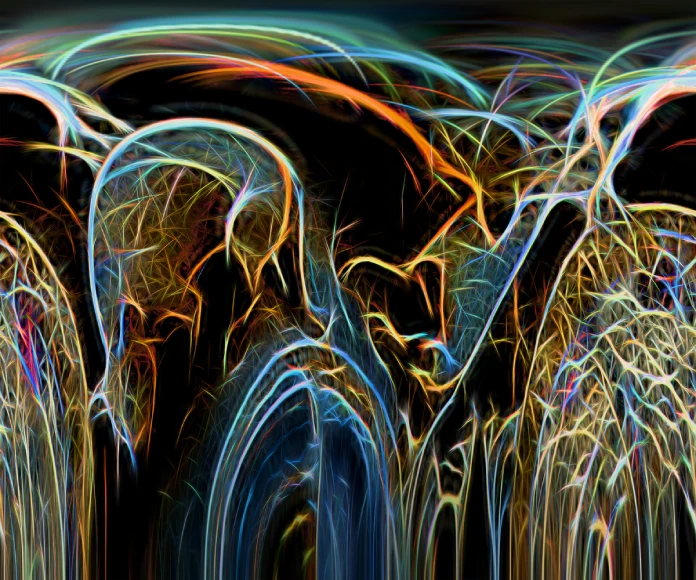
Photography usually captures a single moment, but Techspressionism art creates a new way to experience that moment. Howard Harris transforms photographs into dimensional artworks by combining creative design, technology, and layered construction. These pieces are made to change with light, viewing angle, and the viewer’s position, creating an experience that goes beyond a traditional photo print.
Understanding Techspressionism Art and Its Unique Approach
Howard Harris creates artwork based on the idea that everyone sees things in their own way. A picture can feel different when the lighting changes or when someone views it from another angle.
This style combines:
● Photography with creative design
● Technology with artistic ideas
The purpose is not only to show an image. It is to create an experience that changes as people look at it.
How Photography Becomes Dimensional Artwork
The process starts with a photograph. But the photo is only the first step.
The image is changed and developed to focus on:
● Colors and shapes
● Space and movement
Instead of making a regular flat print, Howard Harris turns the photograph into artwork with depth. The final piece feels more like a mix of photography and modern art.
The Layered Process Behind Howard Harris’s Artwork
A special part of this artwork is the use of multiple layers. Howard Harris created a patented process for building layered artwork.
The artwork uses:
● Different photographic layers
● Clear acrylic pieces
● A fine grid design
These layers are placed together to create a deeper look. The clear acrylic creates space between parts of the image, making the artwork appear more alive. This process makes the artwork different from a normal photograph printed on paper.
How Light and Perspective Change the Viewing Experience
One unique feature of Techspressionism art is that it can change as people move around it.
The artwork can look different because of:
● Where the viewer stands
● How light reaches the surface
● The space around the artwork
A person standing in one place may notice details that another person sees differently. This makes the viewer part of the experience.
The Role of Technology and Design in Creating Art
Howard Harris uses technology to create new possibilities in photography. His background in industrial design also influences how each piece is planned and built.
The artwork focuses on:
● Balance
● Structure
● Beauty
● The connection between different elements
Technology and design work together to create something beyond a standard photo.
Why Techspressionism Art Stands Apart from Traditional Photography
Traditional photography usually follows a simple process: take a photo, print it, and display it. This approach is different. The photograph is transformed with layers and materials to create a piece that interacts with light and space. Techspressionism art is not only about what people see. It is also about how they experience the artwork.
How Collectors Experience This Modern Form of Artwork
Collectors are drawn to this artwork because it offers something unique. It is created through a special process that combines creativity, technology, and careful design. These pieces can add a strong visual presence to homes, offices, and collections. The artwork is not just something to hang on a wall. It gives people something new to notice each time they view it.
Final Thoughts
Howard Harris creates Techspressionism art by changing the way people experience photography. Through photographs, layers, acrylic surfaces, and design, each piece creates depth and movement. Instead of showing a picture that stays the same, this artwork creates a changing experience based on light, perspective, and the viewer’s own way of seeing.

 English
 Arabic
 Français
 Português
 Deutsch
 Türkçe
 Dutch
Dutch
 Italiano
 Russian
 Romaian