


HR Software: Building a Smarter and More Efficient Workplace
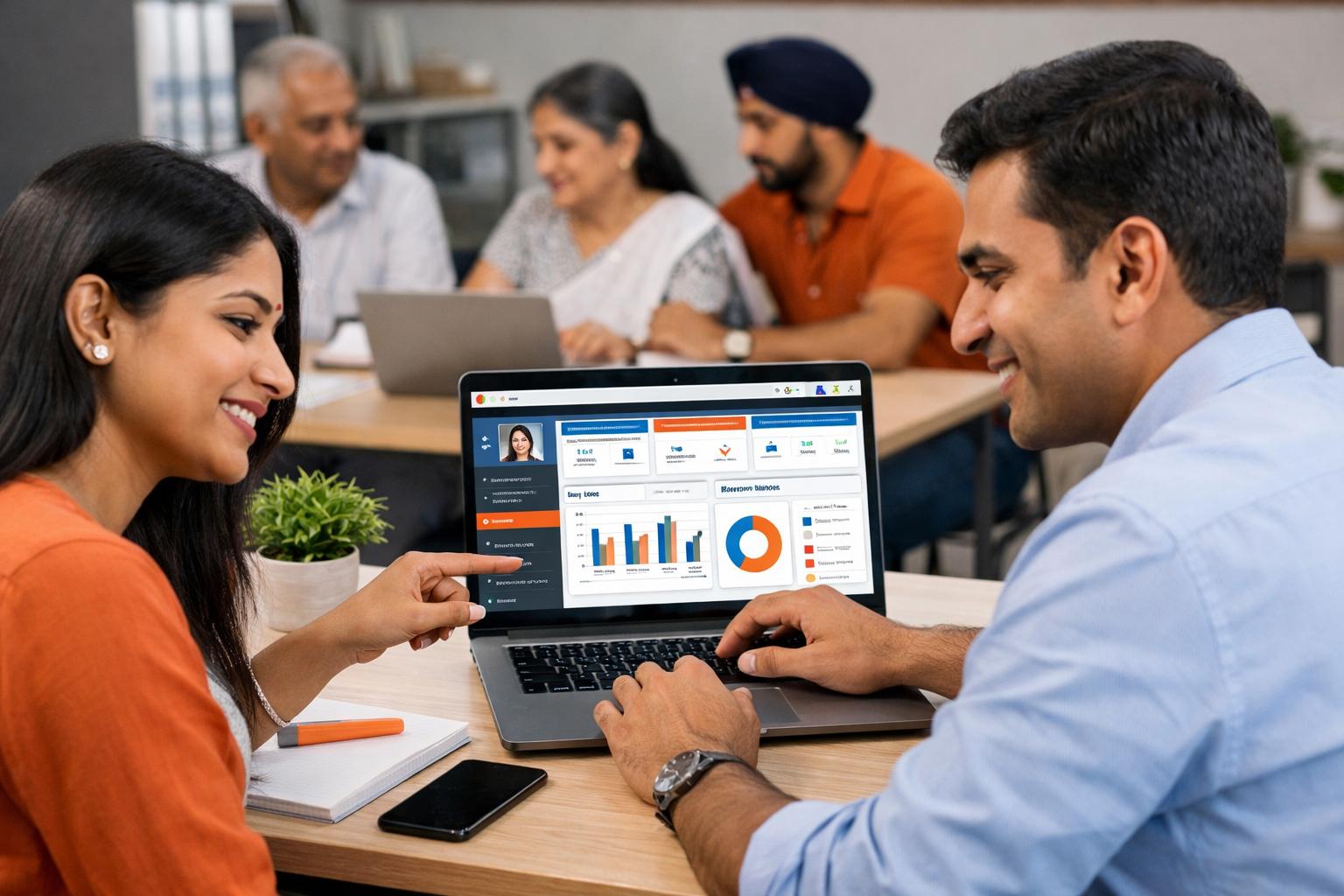
Human resource management plays an important role in every growing organization. HR professionals are responsible for much more than maintaining employee records. They manage recruitment, attendance, leave, payroll, performance, employee engagement, documentation, and compliance. As the workforce expands, handling these activities manually can become time-consuming and difficult to manage.
Modern HR Software helps businesses bring these responsibilities together through a centralized digital platform. By automating repetitive processes and organizing workforce information, HR teams can improve productivity, reduce administrative effort, and create smoother experiences for both employees and managers.
What Is HR Software?
HR software is a digital solution designed to support and automate human resource activities. Depending on the platform, it can include employee management, attendance tracking, leave management, payroll, recruitment, onboarding, performance management, employee self-service, reporting, and other HR functions.
Instead of relying on spreadsheets and paper-based records, businesses can store important workforce information in a structured digital environment.
Why Businesses Are Moving Toward HR Automation
Manual HR processes often require employees to enter the same information multiple times. Attendance data may be maintained separately from payroll, while leave records may be managed through emails or spreadsheets. This can create inconsistencies and make reporting difficult.
HR automation connects these processes. For example, attendance and leave information can contribute to payroll calculations, reducing repetitive data entry.
Automation also helps HR teams spend less time on routine administrative activities and more time on strategic priorities such as employee development, engagement, and workforce planning.
Essential Features of Modern HR Software
Employee Information Management
A centralized employee database makes it easier to maintain employee profiles, documents, departments, designations, salary details, and other relevant information.
HR professionals can quickly locate information instead of searching through physical files or multiple spreadsheets.
Attendance Management
Attendance management is an important part of workforce administration. Digital systems can help organizations track employee attendance, working hours, shifts, late arrivals, and absences.
Depending on the platform, attendance can be recorded through web or mobile applications and connected with other HR processes.
Leave Management
Managing leave manually can create confusion, particularly when organizations have multiple teams and approval levels.
With digital leave management, employees can submit requests online, managers can review them, and HR teams can monitor leave balances from a centralized dashboard.
Payroll Processing
Payroll requires accuracy because it directly affects employees. HR software can simplify salary calculations by using information such as attendance, leave, salary structures, deductions, and applicable statutory components.
Indian organizations can also benefit from systems designed to support relevant payroll and compliance processes.
Recruitment and Onboarding
Recruitment tools can help HR teams organize job openings, candidates, interviews, and hiring stages. Once candidates are selected, digital onboarding workflows can simplify documentation and joining processes.
This provides HR teams with a structured way to manage the employee journey from recruitment to joining.
Performance Management
Performance management features can support goal setting, reviews, feedback, and appraisal processes. A digital system can make it easier for managers to track progress and conduct structured performance discussions.
Employee Self-Service
Employee self-service allows employees to complete common HR activities without contacting HR for every request. Depending on the system, employees may access payslips, view attendance, apply for leave, update information, and submit requests through a web or mobile interface.
This reduces administrative workload while improving convenience.
Benefits for HR Teams
The most immediate advantage of HR software is efficiency. Automated workflows reduce repetitive administrative tasks and allow HR professionals to handle more activities within less time.
Centralized information also improves visibility. HR managers can generate reports and analyze workforce information without manually collecting data from different sources.
Better organization can also reduce errors. Standardized workflows help ensure that processes are completed consistently across departments.
Benefits for Employees
Employees benefit from faster and more transparent HR processes. Instead of submitting paper forms or sending multiple emails, they can often complete common requests through self-service tools.
Easy access to attendance records, leave information, payslips, and other HR services can improve employee convenience.
Mobile accessibility is particularly useful for employees who work outside traditional office environments or across different locations.
Security and Data Protection
HR systems manage sensitive employee information, so security should be an important consideration when selecting a platform.
Businesses should look for features such as role-based access, secure authentication, data backups, audit trails, and controlled permissions. Only authorized users should have access to sensitive information based on their responsibilities.
Selecting the Right HR Platform
The best solution depends on an organization's size, workforce structure, processes, and future requirements.
Businesses should evaluate ease of use, scalability, automation, reporting, mobile access, integrations, security, customer support, and pricing before making a decision.
It is also useful to consider whether the software can support multiple departments and locations without making HR processes unnecessarily complicated.
The Role of HR Software in Business Growth
As companies grow, HR administration becomes more complex. More employees mean more attendance records, leave requests, payroll calculations, documents, and compliance responsibilities.
A centralized HR platform provides the foundation needed to manage this growth more effectively. Instead of continuously adding manual processes, businesses can use automation to create consistent and scalable workflows.
Conclusion
HR technology is becoming an important part of modern workforce management. By connecting employee information, attendance, leave, payroll, recruitment, performance, and self-service, businesses can build more efficient HR operations. Choosing a solution that is secure, scalable, user-friendly, and aligned with business requirements can create long-term value. Organizations exploring modern workforce solutions should also consider HR Software Mumbai when evaluating technology options suited to businesses operating in major Indian markets.

 Arabic
 Français
 Español
 Português
 Deutsch
 Türkçe
 Dutch
Dutch
 Italiano
 Russian
 Romaian