


Mineral Sunscreen: A Gentle Approach to Daily Sun Protection
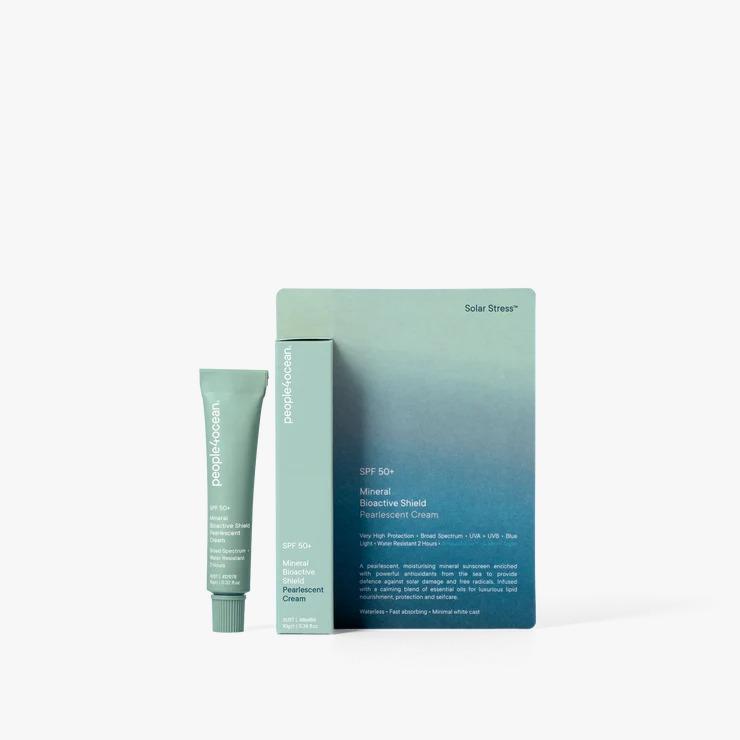
Mineral Sunscreen is a popular type of sunscreen designed to help protect the skin from ultraviolet (UV) radiation. It is often chosen by people who prefer skincare products containing mineral-based active ingredients. With regular use and proper application, sunscreen can be an important part of a broader sun-protection routine.
What Is Mineral Sunscreen?
Mineral Sunscreen, also called physical sunscreen, generally uses mineral active ingredients such as Zinc Oxide and Titanium Dioxide. These ingredients sit on the surface of the skin and help reduce UV exposure by absorbing, reflecting, and scattering UV radiation.
Mineral formulas are available in lotions, creams, sticks, and other convenient formats. Their different textures make it possible to choose a product according to personal preference and skincare needs.
How Does Mineral Sunscreen Work?
The active ingredients in Mineral Sunscreen interact with UV radiation at the skin's surface. Zinc oxide and titanium dioxide provide broad-spectrum protection when formulated and tested appropriately.
Broad-Spectrum Protection is an important feature to look for because it indicates that a sunscreen protects against both UVA and UVB radiation. UVB is a major cause of sunburn, while UVA contributes significantly to premature skin aging and can penetrate deeper into the skin.
Benefits of Mineral Sunscreen
One benefit of Mineral Sunscreen is that it can be suitable for people who find certain sunscreen formulas irritating. Mineral ingredients are commonly used in products designed for sensitive skin, although individual reactions can vary.
Mineral sunscreens also come in many different formulations. Some are lightweight and designed for daily facial use, while others are thicker and intended for outdoor activities. Tinted Mineral Sunscreens may also help reduce the visible white cast that some traditional mineral formulas can leave on the skin.
Choosing the Right Product
When selecting Mineral Sunscreen, check the product label for the active ingredients and protection information. A broad-spectrum product with an appropriate SPF can provide useful protection against UV radiation.
Consider your skin type and lifestyle as well. Someone with dry skin may prefer a moisturizing formula, while a person with oily skin might prefer a lightweight or non-comedogenic product. For outdoor activities, a water-resistant formulation may be more practical.
People with sensitive skin should introduce new skincare products carefully and stop using a product if significant irritation develops.
How to Apply Mineral Sunscreen
Correct application is essential. Apply Sunscreen generously to exposed areas of skin before going outdoors, following the instructions on the product label. Commonly missed areas include the ears, neck, hands, and the tops of the feet.
Sunscreen can wear away through swimming, sweating, or towel drying. Reapplication should follow the product's directions, especially after these activities.
Using sunscreen should not be the only form of sun protection. Protective Clothing, hats, sunglasses, and shade can provide additional protection when spending time outside.
Mineral Sunscreen for the Face
Facial Sunscreen is available in specialized mineral formulas that are designed to feel comfortable on the face. Some products include moisturizing ingredients, while others are formulated with a matte finish.
Tinted products can be particularly appealing for people who want to minimize the white appearance that can sometimes occur with mineral ingredients. However, the most important consideration remains adequate broad-spectrum protection and correct application.
Mineral vs. Other Sunscreens
The main difference between Mineral Sunscreen and chemical sunscreen is the type of active ingredients used. Mineral sunscreens primarily use zinc oxide and/or titanium dioxide, while chemical sunscreens use organic UV filters.
Neither category is automatically the best choice for everyone. The most useful sunscreen is one that provides suitable broad-spectrum protection and that a person can apply generously and consistently.
Conclusion
Mineral Sunscreen offers an effective option for people looking to include mineral-based UV protection in their skincare routine. Formulas containing zinc oxide or titanium dioxide can provide broad-spectrum protection when properly formulated and used as directed. By combining sunscreen with shade, protective clothing, and other sun-safe habits, you can build a more complete approach to everyday sun protection.

 English
 Français
 Español
 Português
 Deutsch
 Türkçe
 Dutch
Dutch
 Italiano
 Russian
 Romaian