


Metal Window Well Installation for Safer Thornton Basements
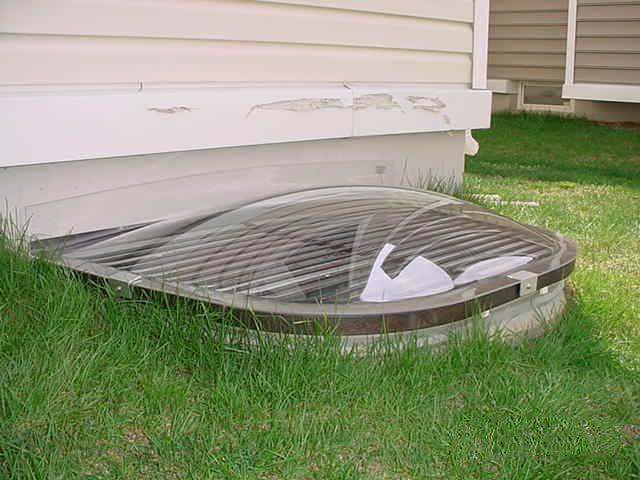
Protect your Thornton basement with metal window well installation. Learn about drainage, egress, materials, costs, and choosing the right local installer.
A basement window can provide valuable daylight and emergency access, but an aging or poorly installed well can create drainage, safety, and maintenance problems. In Thornton, snowmelt, summer storms, freeze-thaw cycles, and changing soil conditions make proper installation especially important. Window Well Guardian shares this perspective from the standpoint of building metal window wells that protect the window while fitting the needs of the property.
What Metal Window Well Installation Actually Includes
A window well is more than a curved piece of steel placed against a foundation wall. It creates a protected area around a below-grade window, allowing light and ventilation into the basement while helping keep soil away from the opening.
A proper installation can involve measuring the window, excavating around the foundation, preparing drainage, positioning the well, anchoring it securely, backfilling, and checking the finished grade. If the window serves as an emergency escape and rescue opening, the dimensions of the well and window must also work together.
Thornton's building materials for basement finishing identify specific emergency escape and rescue requirements. The city guide states that a qualifying window well must provide at least 9 square feet of area, with a minimum dimension of 36 inches, and a permanently attached ladder is required when the well exceeds 44 inches in depth.
The window itself has separate requirements for net clear opening, width, height, sill height, and operation. Current Thornton code information should always be checked before construction because the city adopted the 2024 International Residential Code with local amendments effective July 1, 2025.
Material selection is another part of the decision. Galvanized or coated steel can provide strength while keeping the profile relatively compact. Fiberglass and other materials may work for certain properties, but metal is often selected when homeowners want a strong, conventional exterior solution.
In Thornton, we've noticed that most homeowners initially focus on the height and shape of the well. Those measurements matter, but the drainage system underneath it can have just as much influence on the long-term result.
A well should not become a small basin that collects water against the foundation. Proper drainage may involve a connection to an existing drainage system, a suitable gravel base, or another site-specific method. The correct approach depends on the property and applicable requirements.
The Real Challenge in Thornton
Thornton's Front Range climate creates a combination of conditions that window wells must handle. Snow can accumulate around exterior walls before melting into the ground. Summer thunderstorms can produce concentrated runoff, while winter freezing and thawing can move soil and place pressure on exterior components.
Ground conditions can also vary from one property to another. A well installed in stable, properly prepared soil behaves differently from one placed beside loose fill or an area where water regularly collects.
A client in Thornton reached out after noticing rust along the lower edge of an older steel well and water collecting inside after storms. The problem was not simply the appearance of the metal. The drainage and surrounding soil needed to be assessed before deciding whether replacing the well alone would solve the issue. The replacement plan focused on improving the overall installation rather than covering up the original problem.
That leads to an objection homeowners often have: If the old well is still attached to the house, why not simply replace the metal shell? Sometimes that is enough, but not always. Corrosion may be a symptom of prolonged moisture exposure, poor drainage, damaged coatings, or installation details that allow water to remain against the metal.
A new well placed into the same problematic conditions may eventually develop similar issues.
Current Thornton search results show several providers serving the area with egress-window and window-well work, including Window Well Guardian and other contractors offering steel, fiberglass, timber, or upgraded well systems. The less obvious question is what happens beneath the visible well after installation.
Drainage is therefore one of the most useful subjects to discuss before accepting an estimate. A contractor should be able to explain where water is expected to go and how the well will interact with the surrounding grade.
Egress adds another layer. A well that looks large enough visually may not meet the required clear dimensions for emergency escape. Covers, grates, and other protective devices must also be considered carefully because they cannot block the required opening or prevent occupants from escaping.
Thornton's adopted code amendments address emergency escape and rescue openings and require qualifying bars, grilles, covers, or screens to remain releasable or removable from inside without a key, tool, or excessive force.
How Window Well Guardian Approaches It Differently
Window Well Guardian approaches a project by treating the well, foundation area, drainage, and window access as connected parts of the installation rather than as separate pieces. Its service information specifically covers metal, fiberglass, and wooden window wells, along with custom replacement work in the Thornton area.
The first step is measuring the existing opening and reviewing the surrounding area. Dimensions affect the well profile, while the depth of the excavation influences access, drainage, ladder requirements, and the amount of material needed.
The next consideration is the condition of the existing well. Surface rust is not necessarily the same as structural corrosion. A heavily deteriorated flange, perforated steel, distorted wall, or loose connection may call for replacement rather than cosmetic treatment.
Custom fabrication can be useful when standard sizes do not fit the foundation opening or landscaping. Custom metal window wells can be designed around unusual dimensions, window locations, retaining features, or property constraints.
Anchoring also deserves attention. The well needs to remain stable against the foundation as soil pressure changes. Installation hardware, the relationship to the foundation, and the surrounding backfill should be considered together rather than treating the well as a freestanding object.
One competitor gap worth highlighting is the lack of discussion about corrosion at connection points. Metal window wells can experience premature corrosion if moisture remains trapped or if installation creates an unintended electrical path involving reinforcing steel. Industry discussions have specifically raised this concern around metal well anchoring, which makes installation details worth asking about before work begins.
The exterior finish matters, too. Rust-resistant metal window wells in Thornton can provide longer service life, but the phrase should not be treated as a guarantee that metal can never corrode. Coating quality, scratches, soil contact, drainage, fasteners, and maintenance all influence how the material ages.
Another overlooked detail is backfilling. Soil should not simply be pushed against the well without considering drainage and compaction. Poorly placed backfill can settle, change the finished grade, or put unnecessary pressure on the well.
For homeowners shopping online, searches such as Metal window wells for sale near me can produce plenty of product-only options. Buying the shell is not the same as creating a properly functioning window-well system. Measurements, excavation, drainage, anchoring, egress dimensions, and final grading all have to work together.
Practical Tips: What to Know Before You Decide
Start by identifying the reason for the project. A homeowner may be replacing a rusted well, adding a new basement window, creating emergency escape access, improving drainage, or simply upgrading an outdated exterior feature.
Take measurements before requesting estimates, but do not assume those measurements are sufficient for ordering a replacement. The window opening, foundation wall, existing well, finished grade, and required egress clearance all affect the final dimensions.
Working with clients in Thornton, our team found that homeowners often compare window-well estimates based only on the price of the metal. That misses much of the actual work.
Ask each installer whether the estimate includes:
-
Removal of the existing well
-
Excavation and soil removal
-
Drainage preparation
-
Gravel or other base material
-
New well and hardware
-
Foundation anchoring
-
Backfilling
-
Finish grading
-
Ladder or steps where required
-
Window-well cover or grate
-
Cleanup and debris removal
-
Permit-related responsibilities, where applicable
The drainage question deserves special attention. Ask where water will go after installation and whether the existing drainage system is suitable. If the answer is simply "the gravel will absorb it," ask for more detail about the site's soil and drainage conditions.
Thornton requires permits for many construction activities, and the city states that permit requirements depend on the type and scope of work. Its building department also verifies contractor licensing as part of permit issuance. If the project involves a new basement opening, foundation modification, or other structural work, confirm the applicable permit requirements before work starts.
An egress project deserves even more planning. The window must open properly, the clear opening must meet applicable dimensions, and the well must provide enough space for emergency escape. A ladder may be necessary depending on well depth.
Covers are useful for keeping leaves, snow, pets, and debris out, but they should not compromise emergency access. If the well serves an egress window, ask how the cover opens from inside and whether it maintains the required clear opening.
Think about landscaping before excavation begins. Irrigation lines, edging, shrubs, patios, and underground utilities can affect access and restoration. Thornton's infrastructure guidance also emphasizes designated utility information for applicable construction work, so underground conditions should be addressed before excavation.
Cost varies according to the size and material of the well, excavation depth, soil conditions, access, drainage work, removal of an existing structure, and whether the project includes a new egress window. Product price alone does not represent the full installation cost.
A useful local planning tip is to schedule exterior excavation when the ground is reasonably workable. Frozen soil can make digging difficult, while saturated ground after heavy precipitation can complicate excavation and backfill. Weather may affect the schedule even when the metal component itself is ready.
Maintenance is relatively simple but should not be ignored. Keep leaves and debris out of the well, check drainage after major storms, inspect the metal for scratches or corrosion, and make sure covers and ladders remain secure.
Build the Well Around the Whole Basement Opening
A window well should protect more than the glass. It needs to support drainage, safe access, appropriate egress, stable anchoring, and long-term exterior performance. If you are considering metal window well installation in Thornton, Window Well Guardian can assess the existing opening and help determine the right replacement or installation approach for the property.
4. FAQs
1. How much does metal window well installation cost in Thornton?
The cost depends on well size, steel type and finish, excavation depth, soil conditions, drainage work, removal of an old well, anchoring, and whether an egress window is included. A simple replacement can cost much less than creating a new basement opening. Request an itemized estimate covering both materials and installation.
2. Do metal window wells need drainage?
Yes, drainage deserves careful planning because the well sits below surrounding grade and can collect rain or snowmelt. The appropriate method depends on the property, soil, existing drainage, and applicable construction requirements. A good installer should explain where water will go rather than assuming gravel alone will solve every drainage problem.
3. Can I install a metal window well myself?
A basic replacement may appear straightforward, but excavation, foundation anchoring, drainage, and egress requirements can make the project more involved. If a new opening is being created in a foundation, professional assessment is especially wise. Thornton requires permits for many types of construction work, so confirm local requirements before beginning.
4. How do I know a window well installer is trustworthy?
Ask for proof of insurance, applicable licensing, recent project examples, written estimates, warranty information, and clear explanations of drainage and anchoring. For egress projects, ask how the installation will meet current requirements. A reliable installer should be willing to explain the work beneath the visible metal rather than discussing only appearance.
5. Are metal window wells better than fiberglass?
Neither material is automatically better for every property. Steel can provide strength and a familiar structural profile, while fiberglass can offer different corrosion and maintenance characteristics. The right choice depends on dimensions, soil pressure, drainage, appearance, egress needs, and budget. The installation method can matter just as much as the material.

 English
 Arabic
 Français
 Português
 Deutsch
 Türkçe
 Dutch
Dutch
 Italiano
 Russian
 Romaian