


How to Become a Model

To become models, we need to explore various paths like runway, commercial, and fitness. Practicing our skills is essential, so let’s watch established models and practice poses in front of a mirror. Building a diverse portfolio with high-quality images showcases our versatility. We should also look for casting calls and find an agent that matches our style. Understanding key terms will help us navigate the industry. There’s so much more to learn about success in modeling!
Understanding the Modeling Industry and Career Path

When we immerse ourselves in the modeling industry, it’s essential to recognize the diverse paths available to aspiring models. We can explore runway, commercial, print, fitness, and niche markets, each requiring different skills and looks.
For instance, runway modeling typically favors taller individuals with strong poses, while commercial modeling thrives on relatable looks for ads.
Training plays a crucial role in our success; many successful models have formal training, which helps us navigate the industry’s complexities. Even if we don’t find modeling schools nearby, seeking programs linked to agencies in neighboring cities can be beneficial.
With passion and motivation, we can commence on this exciting journey while staying aware of potential scams that often target newcomers.
Practicing Modeling Skills and Building Experience

To build our modeling skills and gain valuable experience, consistent practice is essential.
We should watch videos of established models to study their poses and movements. Practicing in front of a full-length mirror helps us identify our best angles and refine our expressions. Seeking constructive criticism from friends or mentors can provide valuable insights for improvement.
Participating in test shoots allows us to gain practical experience and add to our portfolios. Taking runway classes can enhance our skills before important shoots, giving us the confidence to perform well.
Remember, accumulating experience in front of the camera is crucial before approaching agents, as practical experience is irreplaceable in this competitive industry.
Let’s stay motivated and dedicated to our growth!
Building a Modeling Portfolio

Building a modeling portfolio is vital for showcasing our versatility and attracting potential opportunities. We should start with a variety of high-quality images, including headshots, full-body shots, and different styled looks.
Hiring a professional photographer can help us capture our best angles and expressions, but collaborating with emerging photographers can be beneficial too. It’s important to include a mix of professional and candid shots to highlight our range.
Regularly updating the portfolio reflects our growth and style changes. Additionally, attending local gigs and participating in trade-for-print (TFP) shoots can help us gain experience and strengthen our network.
Let’s make certain our portfolio truly represents who we’re and what we can offer in the modeling industry.
Navigating Casting Calls and Finding an Agent

Steering through casting calls and finding an agent can feel intimidating, yet it’s essential for advancing our modeling careers.
We can start by using online platforms like Backstage to discover local casting calls. When we arrive, we should dress appropriately and present a polished appearance, ready to impress the casting team.
Researching agencies that align with our look and style is imperative, so we comprehend their submission requirements. Once we’ve gained enough experience, we should approach agents, as having one can open doors to higher-profile modeling opportunities.
Building a professional relationship with our agent is essential for growth, and following up after casting calls can lead to exciting opportunities.
Let’s stay proactive and confident as we navigate this journey together!
Key Modeling Terms and Resources

Understanding key modeling terms and resources can greatly enhance our professionalism in the industry. Familiarizing ourselves with terms like “book” (portfolio), “go-see,” and “tear sheet” helps us communicate effectively.
Additionally, we should keep our portfolios updated with high-quality images that showcase our versatility. Resources like Backstage offer valuable modeling listings and casting calls, while organizations like the Model Alliance advocate for our rights and protections.
Engaging with industry professionals through networking can open doors to new opportunities and insights. As we navigate our modeling journeys, continuous learning and adapting to trends are essential for success.
Let’s stay informed and connected to build our careers in this dynamic field.
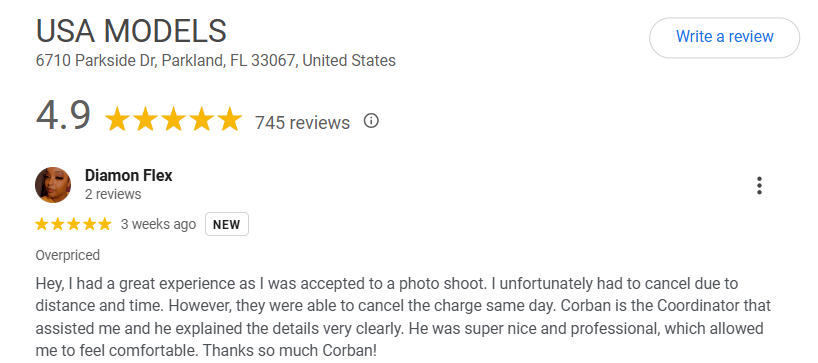
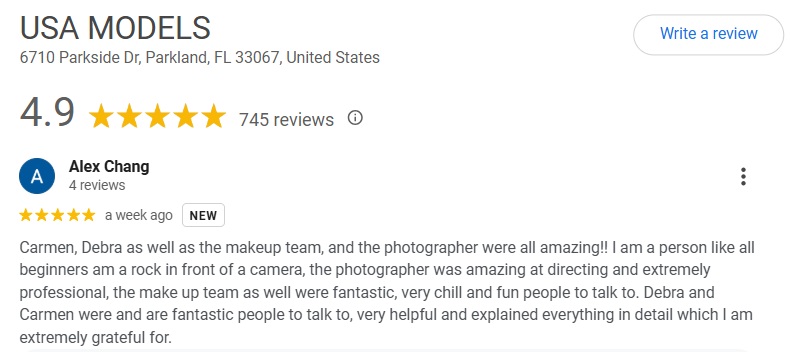
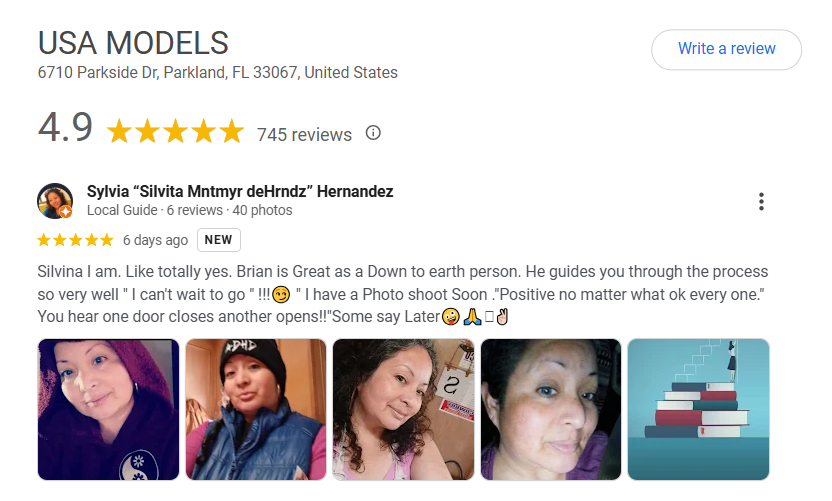
Hear From Our Clients at USA Models Photography
We love hearing from our clients! Here are some reviews from various platforms, including Google My Business, sharing their experiences with USA Models Photography. Our team is committed to helping models shine and succeed. These testimonials reflect our passion for capturing unique talents and providing support along the way. For more details on how we can help you, visit USA Models Photography.
Frequently Asked Questions
What Are the Age Requirements for Modeling?
When it comes to age requirements for modeling, we typically see a range from 16 to 30 years old, depending on the type. However, various niches may welcome models outside this range, so it’s worth exploring!
How Do Body Measurements Affect Modeling Opportunities?
Body measurements play an essential role in modeling opportunities. They often determine which types of modeling we can pursue. Understanding these requirements helps us tailor our approach and find the best fit for our unique attributes.
Is Prior Experience Necessary to Start Modeling?
We believe prior experience isn’t strictly necessary to start modeling. Many successful models begin without it. Instead, we can focus on honing our skills, building a portfolio, and gaining confidence through practice and dedication.
Can I Model Part-Time While Maintaining Another Job?
Absolutely, we can model part-time while keeping another job. Many models balance their passion with other careers, allowing flexibility to pursue opportunities and build experience without fully committing until they’re ready for a more serious endeavor.
What Should I Do if I Face Rejection in Modeling?
When we face rejection, let’s remember it’s part of the journey. We’ll learn from feedback, stay persistent, and keep improving our skills. Together, we’ll turn setbacks into stepping stones towards success in modeling.
Conclusion
As we wrap up our journey into the modeling world, remember that persistence and passion are key. By understanding the industry, honing our skills, and building a strong portfolio, we can make our mark. Networking and seeking the right opportunities will open doors, while embracing our unique qualities will set us apart. Let’s stay confident and motivated, knowing that with each step we take, we’re one step closer to turning our modeling dreams into reality!
Note: We love sharing creative inspiration, photography tips, and industry insights to help you capture life’s best moments! However, the services, styles, and equipment mentioned in our articles are for informational purposes only and may not reflect our current offerings. For the latest on our photography services and portfolio, visit USA Models. Let’s create something beautiful together!
 Deutsch
 English
 Arabic
 Français
 Español
 Português
 Türkçe
 Dutch
Dutch
 Italiano
 Russian
 Romaian