


Metal Cladding Installation: What Waco Property Owners Need
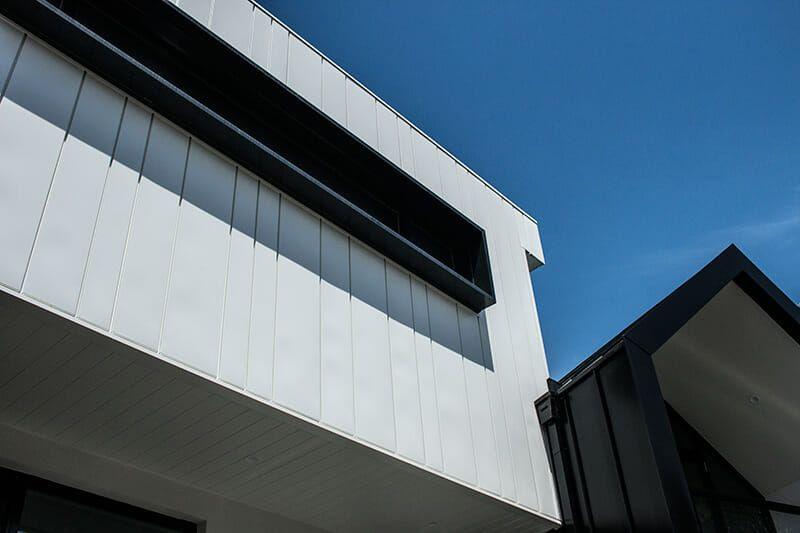
Protect and refresh Waco properties with metal cladding installation. Learn about materials, costs, weather concerns, and planning before your project starts.
A worn exterior can make a property look older than it really is, while exposed walls can take a beating from Texas weather. For Waco property owners, metal cladding installation can provide a durable exterior finish while adding a distinct architectural appearance. Alvator Custom Fab approaches these projects with attention to material selection, attachment methods, measurements, and the conditions surrounding each building.
Metal cladding is not simply a decorative layer placed over a wall. The finished system needs to work with the building envelope, manage moisture, accommodate movement, and withstand the local environment.
What Metal Cladding Installation Involves
Metal cladding is an exterior covering made from materials such as aluminum, steel, zinc, or other architectural metals. Panels can be installed over suitable substrates to create a protective outer surface while changing the appearance of a residential or commercial property.
Depending on the design, a system may include concealed fasteners, exposed fasteners, clips, rails, support framing, weather barriers, flashing, trim, and carefully formed joints. Panel orientation and joint placement can also affect how the finished wall looks from different angles.
The substrate underneath deserves just as much attention as the visible metal. Uneven framing, damaged sheathing, moisture intrusion, or poor drainage can create problems after installation if they are not identified beforehand.
In Waco, we've noticed that most homeowners initially focus on color and panel style. Those choices matter, but the more important questions often involve substrate condition, drainage, expansion, attachment, and how the material will respond to prolonged sun exposure.
Metal also expands and contracts with temperature changes. Proper joint spacing and attachment details allow the system to accommodate normal movement rather than forcing panels to remain completely rigid.
Residential applications may include accent walls, exterior sections, porch areas, garages, additions, and architectural features. Commercial properties may use cladding across larger elevations, storefront elements, office buildings, restaurants, warehouses, or mixed-use developments.
The Real Challenge in Waco, TX
Waco's climate creates several considerations for exterior metalwork. Long periods of intense summer heat can expose building materials to substantial temperature changes, while thunderstorms, wind, and occasional hail can put additional stress on exterior surfaces.
A poorly planned installation can develop loose panels, visible oil-canning, water intrusion, premature finish deterioration, or problems around windows and doors. Those issues are not always caused by the metal itself. Installation details frequently determine how well the finished system performs.
A client in Waco reached out after noticing movement and staining around an exterior wall section that had previously been covered with metal panels. The visible issue appeared minor, but inspection showed that water was entering near a transition between materials. Correcting the underlying drainage and flashing details was necessary before the exterior finish could be properly addressed.
One objection property owners often have is that metal cladding may look too industrial for a home. That depends heavily on the profile, finish, panel size, color, joint pattern, and where the material is used. Metal can serve as a small architectural accent rather than covering an entire building.
Another question that deserves a direct answer is how long the finish will remain attractive. There is no universal lifespan because coating type, metal selection, exposure, installation quality, maintenance, and local weather all matter. A south- or west-facing wall may experience more heat and UV exposure than a shaded elevation.
Drainage is another commonly overlooked issue. Windows, doors, roof edges, penetrations, corners, and transitions between siding materials need properly planned flashing. Water should have a controlled path away from vulnerable portions of the wall.
The best-looking panel system can still fail if water is allowed behind it without a suitable drainage strategy.
How Alvator Custom Fab Approaches It Differently
Alvator Custom Fab treats the fabrication and installation process as connected parts of the same project. Measurements taken in the field influence how panels, trims, edges, returns, and transitions are prepared.
The process starts with understanding the existing wall condition. Dimensions, substrate, openings, corners, roof intersections, and adjoining materials all need to be considered before fabrication begins.
Material selection follows the demands of the property. Aluminum can offer corrosion resistance and relatively low weight, while steel can provide a substantial, durable surface. The right choice depends on the design, exposure, structural requirements, budget, and desired appearance.
Fabrication accuracy matters as well. Panels that are cut, bent, drilled, or formed incorrectly can create unnecessary seams or difficult field adjustments. Careful shop preparation can reduce those problems before materials reach the jobsite.
A major gap in generic cladding advice is the transition between different building materials. A metal wall meeting brick, stucco, masonry, wood siding, concrete, or roofing needs more thought than a standard uninterrupted panel field. Differences in movement, thickness, drainage, and fastening can create weak points.
The same principle applies to openings. Windows and doors require precise detailing around their perimeter so the exterior finish does not become a path for moisture.
For larger projects, Commercial & Residential metal fabrication may include custom panels, trims, brackets, frames, guards, supports, and other components that need to fit the building rather than relying entirely on stock dimensions.
Residential projects can benefit from the same level of fabrication precision. Residential metal fabrication may involve custom exterior features, decorative panels, gates, railings, privacy screens, and structural or architectural components.
The objective is not to add metal simply because it looks modern. Good fabrication starts with the building, the intended use, and the conditions the material will face after installation.
Practical Tips: What to Know Before You Decide
Start by deciding what problem the cladding should solve. Are you mainly changing the appearance, protecting an exposed wall, covering an addition, creating an architectural accent, or addressing a damaged exterior? A clear purpose makes material and design decisions easier.
Ask what substrate preparation will be required. Existing walls may need repairs before new panels can be installed. Covering a damaged surface does not automatically correct the condition underneath it.
Working with clients in Waco, our team found that many property owners also underestimate the importance of trim and edge details. Large wall panels may receive most of the attention during design, but corners, window surrounds, base conditions, and transitions often determine whether the finished project looks professionally executed.
Consider the direction of the building's exposure. Strong afternoon sun can affect finishes and surface temperatures, particularly on west-facing walls. Ask about the coating, expected maintenance, and how the selected material performs under prolonged UV exposure.
Another practical consideration is access. Large commercial elevations may require lifts, staging, or specialized equipment. Residential properties can present their own challenges around landscaping, driveways, porches, utility lines, and neighboring structures.
For projects involving Interior metal railing services, the same design principles apply even though the installation environment changes. Railings need proper measurements, secure attachment points, appropriate finishes, and a design that works with the surrounding architecture.
The budget should account for more than the panel material. Labor, fabrication, substrate preparation, trim, flashing, fasteners, equipment, transportation, and finishing details can all influence the final cost.
Property owners should also ask how maintenance will work after installation. Metal cladding generally requires less upkeep than some exterior materials, but it still benefits from periodic inspection. Dirt, debris, damaged coatings, loose fasteners, and failed sealants should be addressed before small problems become larger ones.
For Waco properties, it is also wise to plan around severe weather. A properly installed system can withstand normal environmental exposure, but no exterior material is immune to extreme events. After major hail or wind, inspect the property for dents, displaced panels, damaged trim, and water-entry points.
Finally, ask for a clear scope of work. The proposal should identify the metal type, finish, panel profile, substrate preparation, installation method, trim, flashing, and any exclusions. That level of detail makes it easier to compare estimates based on the actual work rather than just the headline price.
A Cladding Plan That Starts With the Building
Metal cladding works best when appearance and building performance are considered together. Waco's heat, sun, storms, and temperature changes make proper substrate preparation, drainage, fastening, and material selection especially relevant. For metal cladding installation in Waco, TX, Alvator Custom Fab can help property owners assess the project requirements and determine the right next step before fabrication begins.
4. FAQs
1. How much does metal cladding installation cost in Waco?
The cost varies based on metal type, panel profile, wall area, fabrication requirements, substrate condition, trim, flashing, access, and labor. Custom-fabricated panels can cost more than standard products because they require additional shop work. A reliable estimate should separate material, fabrication, preparation, installation, and related exterior work.
2. Is metal cladding suitable for residential properties?
Yes. Metal can work well on homes as a full exterior finish or as an accent around entries, garages, additions, porches, or architectural features. Aluminum and steel are common choices, with finish and profile options that can create anything from a clean modern appearance to a more traditional look.
3. How long does metal cladding typically last?
Service life depends on the metal, coating, installation quality, exposure, maintenance, and surrounding conditions. Proper drainage and fastening are just as important as material selection. Waco's intense sun and seasonal storms can increase exterior exposure, so periodic inspections can help identify loose components, coating damage, or moisture problems early.
4. How do I know a metal fabrication contractor is legitimate?
Ask for proof of insurance, a written scope, examples of comparable projects, clear material specifications, and references when available. A reputable contractor should explain fabrication and installation methods rather than only providing a total price. Clear communication about substrate preparation, warranties, finishes, and exclusions is also a useful trust indicator.
5. Can metal cladding be installed over an existing exterior?
Sometimes, but the existing wall must first be evaluated. The substrate needs to provide an appropriate base, and the installation must account for moisture management, attachment, wall thickness, and transitions around openings. Covering a damaged or wet wall without correcting the underlying problem can hide defects and create larger issues later.

 Arabic
 Français
 Español
 Português
 Deutsch
 Türkçe
 Dutch
Dutch
 Italiano
 Russian
 Romaian