


Facial Rejuvenation Options Explained
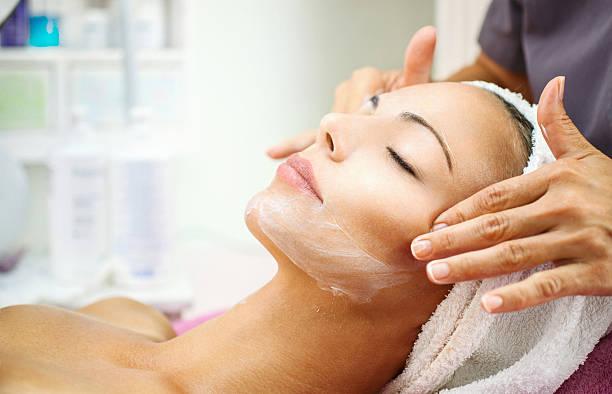
Walking into a med spa consultation and seeing a menu of fifteen different treatments is honestly a little paralyzing. Botox, lasers, peels, microneedling, fillers... each one sounds good, and every staff member seems excited about a different one. The problem isn't a lack of options. It's figuring out which option actually makes sense for your skin, your schedule, and what you're trying to fix. This guide breaks it down in plain terms. If you're already thinking about booking somewhere, a Medical Spa in Newport News VA is a solid starting point, but you'll get more out of any consultation if you walk in knowing what questions to ask and what tradeoffs to expect.
The Main Categories of Facial Rejuvenation Treatments
There are five categories most people run into. Energy-based devices use heat or sound waves to tighten skin and stimulate collagen. Dermal fillers add volume back where the face has hollowed out over time. Chemical peels remove damaged surface layers to improve tone and texture. Microneedling creates tiny controlled injuries that trigger healing and collagen production. And laser resurfacing does something similar to peels but with more precision and, usually, more downtime. Each category has a different job. Mixing them up leads to disappointment, because you can't fill a hollow cheek with a laser any more than you can fix a textured scar with a filler.
Energy-based devices, like radiofrequency or ultrasound treatments, are best for skin that's starting to loosen but hasn't lost significant volume yet. They're popular because the downtime is minimal. But results are gradual and usually take two or three months to fully show. Don't expect to walk out looking different the next day.
Laser resurfacing sits on the opposite end of the spectrum. More aggressive, more recovery, and more dramatic results. Ablative lasers essentially wound the surface of the skin so it regenerates with better texture and tone. Non-ablative options are gentler but require more sessions. Worth researching how the FDA classifies and regulates laser cosmetic devices if you want to understand what you're agreeing to.
Matching Your Concern to the Right Treatment
Here's where most people go wrong. They pick a treatment they've heard of rather than one that matches their actual concern. So let's map it out simply.
-
Volume loss (hollow cheeks, flat lips, sunken under-eyes): Dermal fillers. Full stop. Nothing else replaces lost volume as directly or as fast.
-
Fine lines and early wrinkles: Botox for movement-based lines. For texture-related lines, microneedling or light peels work better.
-
Pigmentation, sun spots, uneven tone: Chemical peels and laser resurfacing are the two strongest options. Peels are usually cheaper but may need more sessions.
-
Rough or scarred texture: Microneedling, especially with PRP (platelet-rich plasma), is a go-to. Ablative lasers can go deeper if the scarring is significant.
-
Skin laxity and sagging: Energy-based devices like Ultherapy or Morpheus8, or in more serious cases, a surgical consult is more honest advice.
Knowing your primary concern before you book gives you a filter. If a provider is pushing you toward a treatment that doesn't logically address your stated concern, that's a red flag worth noting.
How to Compare Options on Practical Terms
Beyond what a treatment targets, you need to weigh four real-world factors: downtime, longevity, discomfort, and how many sessions you'll need.
Downtime is probably the most underestimated factor. Fillers have almost none. A medium-depth chemical peel can leave you red and peeling for a week. Ablative laser resurfacing? Plan for ten days to two weeks of looking like you have a bad sunburn. If you've got a wedding or a big event coming up, timing matters a lot. Most providers recommend finishing any aggressive treatment at least six weeks before the event so your skin has time to settle.
Longevity varies wildly too. Botox lasts about three to four months. Fillers depending on the product and location, anywhere from six months to two years. Chemical peel results, especially for pigmentation, can hold for a year or more with good sun protection. Laser results for texture can last years. Energy-based tightening often needs a maintenance session once a year. The longer-lasting the result, generally, the more upfront discomfort or cost involved. That's just the honest tradeoff.
Questions to Ask Before You Book Anything
A good provider will answer these without hesitation. If they're vague or dismissive, walk.
First, ask specifically why they're recommending this treatment for your concern. Not why the treatment is good in general. Why for your skin, your concern, and your history. Second, ask what results are realistic in a single session versus a full series. Honest providers will tell you some things take three to six sessions to show real change. Third, ask about contraindications. Do you have a history of cold sores? Certain lasers can trigger an outbreak. Are you on any blood thinners or acne medications like isotretinoin? These matter. And fourth, ask to see before and after photos of patients with similar skin tones and concerns to yours. If they can't produce any, that tells you something.
If you're in the area, Colonial Med Spa and Family Practice is one place where these kinds of conversations seem to happen naturally as part of the consultation process, which is what you want before spending real money on any treatment.
Combining Treatments vs. Going With One
Everyone loves the idea of combining treatments for some kind of supercharged result. And sometimes it genuinely makes sense. Botox and fillers together, for example, is one of the most common combinations and works well because they address different things at the same time. Microneedling done after a series of peels can speed up results for texture. But not everything stacks neatly.
Stacking aggressive treatments too close together can backfire. Skin needs time to heal. Doing an ablative laser peel and then microneedling a few weeks later is the kind of thing that leads to irritation, prolonged redness, or worse. Any provider worth their fee will tell you to slow down. A phased plan, one treatment at a time with proper recovery built in, usually gets better results than trying to do everything in one month.
Budget matters here too. Combining treatments adds up fast. If you're working with a limited budget, pick the one treatment that addresses your primary concern, do it properly, and see where you land before adding more. That's not a compromise. It's actually the smarter approach for most people.
Frequently Asked Questions
How do I know which facial rejuvenation treatment is right for me?
Start with your main concern, whether that's volume, texture, tone, or laxity, and match the treatment category to that. Then factor in how much downtime you can realistically handle and how many sessions you're willing to commit to. A good consultation at a Medical Spa in Newport News VA will help you work through this, but going in with a rough idea already saves time and helps you spot whether the provider's recommendation actually makes sense for you.
Is it safe to combine multiple treatments at once?
Some combinations are safe and common, like Botox plus fillers. Others, like stacking laser resurfacing with microneedling too close together, can stress the skin and slow healing. Always ask your provider to explain the timing and why certain treatments should be spaced out. If they want to do everything in a single session, ask more questions.
How long do facial rejuvenation results usually last?
It depends on the treatment. Botox typically lasts three to four months. Fillers can hold anywhere from six months to two years. Chemical peel results for pigmentation often last a year or more with SPF diligence. Laser texture improvements can last several years. The more you protect your skin from the sun afterward, the longer most results hold.
What's the difference between a med spa and a regular spa for these treatments?
A med spa operates under medical supervision and can offer treatments that require medical-grade equipment or injectables. A regular day spa typically offers facials, waxing, and relaxation services. For anything involving lasers, injectables, or chemical peels beyond the most superficial level, you want a med spa with licensed and trained medical staff.
Does facial rejuvenation work for all skin tones?
Most treatments can be performed across a range of skin tones, but certain lasers carry a higher risk of hyperpigmentation for deeper skin tones if the settings aren't calibrated carefully. This is why asking to see before and after photos of patients with similar complexions is so important. A skilled provider adjusts the approach based on your skin tone, not a one-size-fits-all protocol.
The bottom line is that these treatments all work. They just work on different things. Get clear on what you're actually trying to fix, understand the real tradeoffs, and don't let anyone rush you into booking before you feel ready.

 Arabic
 Français
 Español
 Português
 Deutsch
 Türkçe
 Dutch
Dutch
 Italiano
 Russian
 Romaian