


What Are the Key Differences Between Editorial and Commercial Modeling?
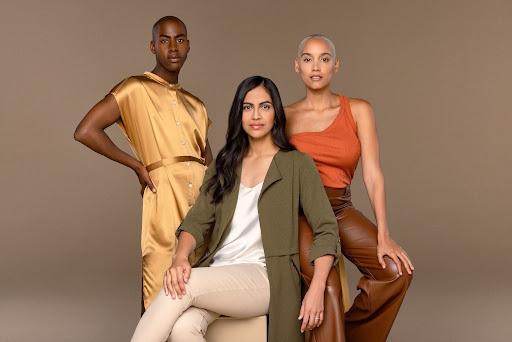
When we compare editorial and commercial modeling, we notice key differences. Editorial modeling emphasizes artistic expression and storytelling through dramatic visuals, while commercial modeling focuses on relatability and market appeal to connect with consumers. Editorial aims for high fashion aesthetics, often adhering to stricter standards, whereas commercial promotes inclusivity across various demographics. Typically, commercial modeling offers better compensation linked to sales, while editorial enhances portfolios with creative collaboration. There’s so much more to explore about these modeling avenues!
Understanding Editorial Modeling

When we think about editorial modeling, we often envision striking images that tell a story or convey an artistic vision. This form of modeling focuses on creative expression and emotion, placing models in high-fashion magazines and inventive campaigns.
It’s all about collaboration with photographers, stylists, and creative teams to bring unique concepts to life. We get to showcase our versatility and artistry through dramatic poses and strong facial expressions, which are essential skills for this niche.
Though the standards can be strict, the experience enhances our portfolios and opens doors to future opportunities. By staying updated on fashion trends and actively networking, we can elevate our presence in the competitive world of editorial modeling.
Exploring Commercial Modeling
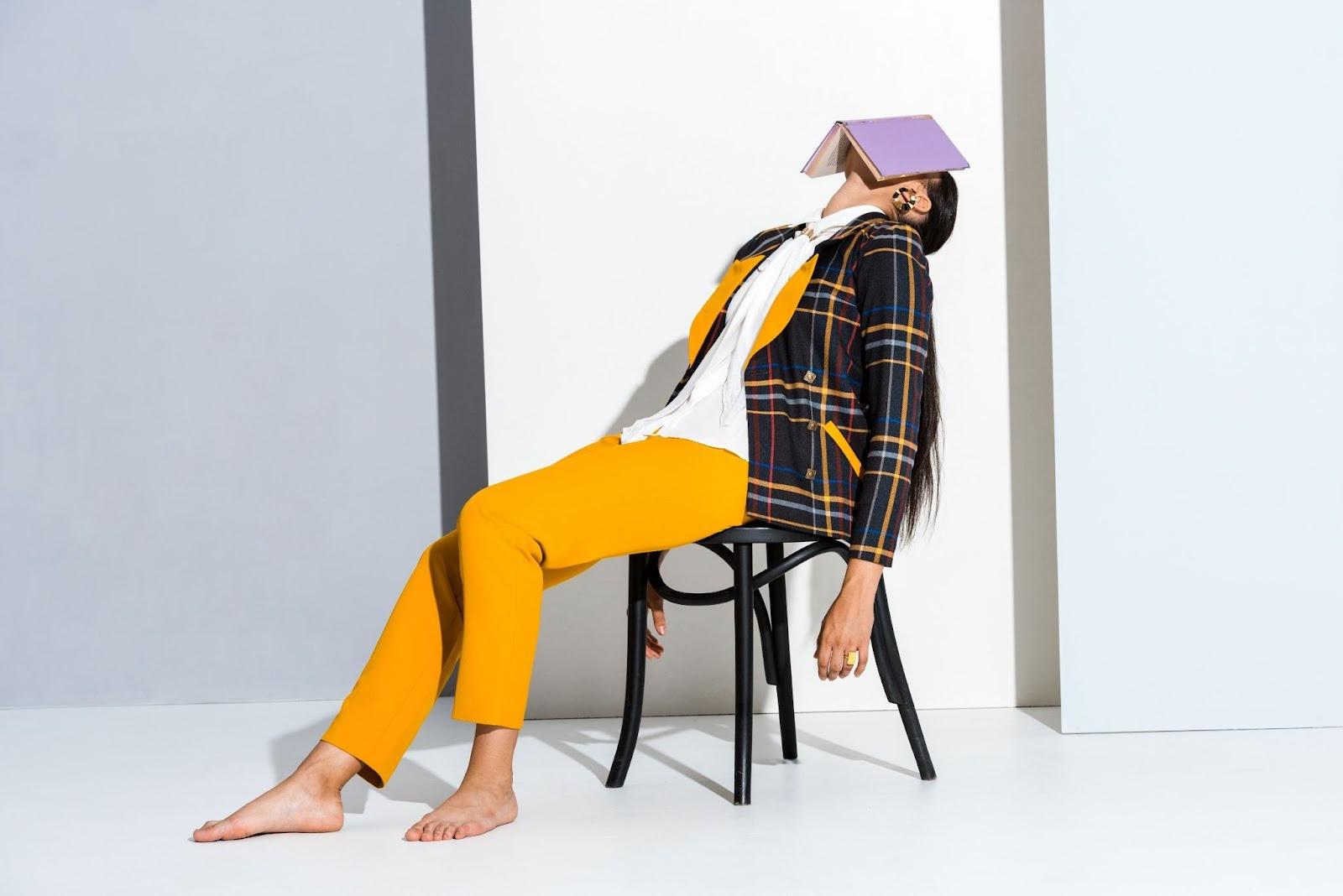
Diving into commercial modeling, we discover a dynamic field that emphasizes relatability and accessibility. Unlike editorial modeling, which often highlights artistic expression, commercial modeling connects directly with consumers through advertisements, billboards, and catalogs.
Here, we showcase products and lifestyles that resonate with everyday people. It’s essential for us to embody authenticity, as clients seek models who reflect their target audience’s diversity in ethnicity, size, and age. This approach fosters broader appeal and strengthens brand connections.
Additionally, commercial models often enjoy better compensation and benefits, making it a more lucrative option. As we navigate this exciting field, our ability to adapt and connect with viewers is key to our success in promoting the products we represent.
Creative Expression vs. Market Appeal

While we navigate the domains of modeling, the contrast between creative expression and market appeal becomes evident.
In editorial modeling, we immerse ourselves in artistic storytelling, showcasing striking visuals that evoke emotions and challenge beauty norms. Here, our focus lies on collaboration with talented creatives to produce enchanting imagery that resonates with niche audiences.
Conversely, in commercial modeling, our role shifts to promoting relatable lifestyles and products. We aim for a broader appeal, connecting authentically with everyday consumers. This path emphasizes approachability and consistency, as we endeavor to embody brand messages that resonate across diverse demographics.
Ultimately, both avenues require distinct skills, yet they each celebrate different facets of our artistry and marketability in the modeling world.
Standards and Inclusivity in Modeling
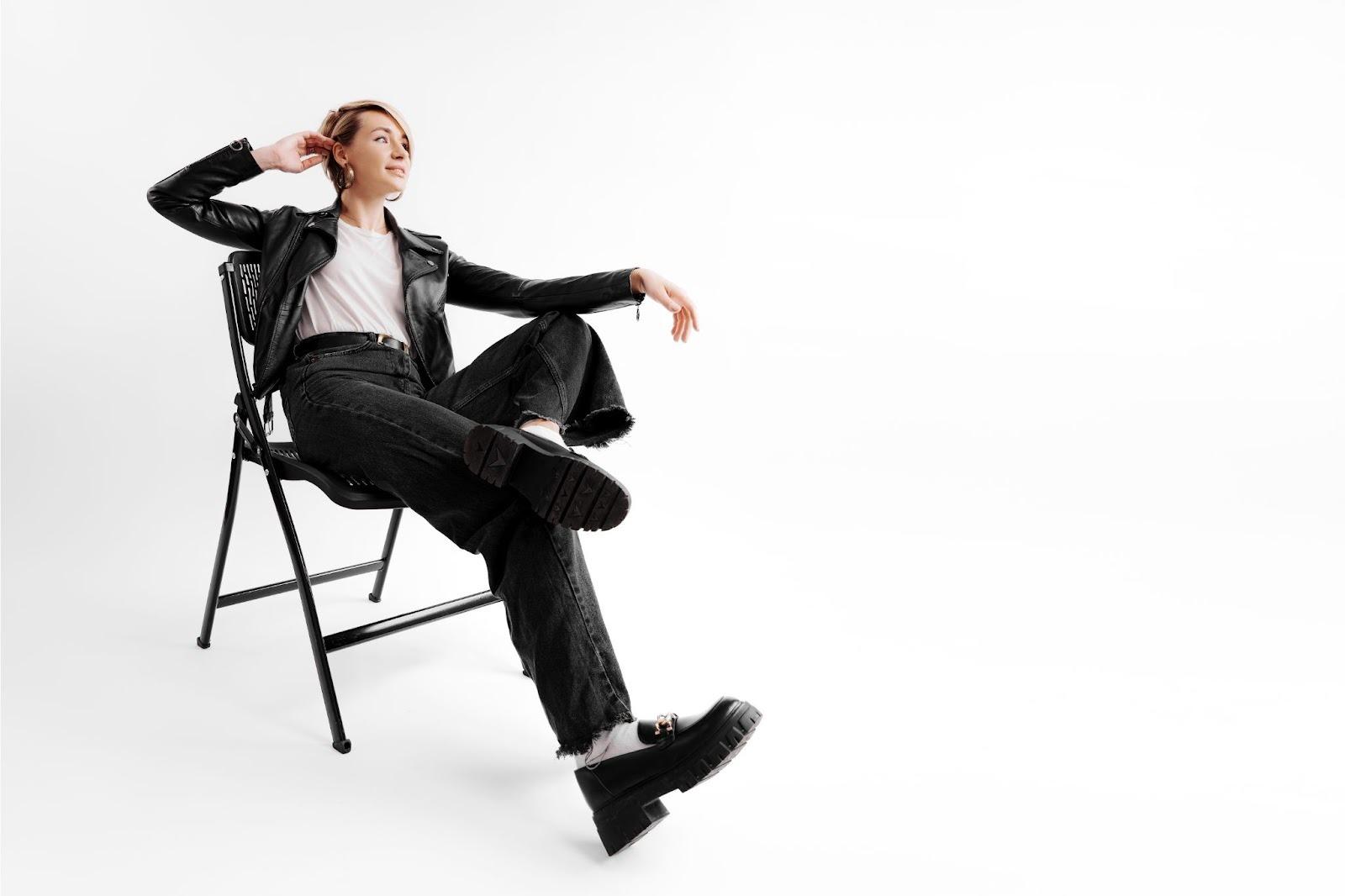
As we explore the landscape of modeling, the conversation naturally shifts to the standards and inclusivity that define our industry.
In editorial modeling, we often find stricter height and beauty standards, focusing on high fashion and designer aesthetics. This can limit diversity in physical characteristics, making it challenging for many aspiring models.
On the other hand, commercial modeling embraces a broader range of ethnicities, sizes, and ages, allowing for more relatable representations.
In markets like Wichita, professionalism becomes more essential than strict physical traits, emphasizing the need for models to adapt to client needs.
Ultimately, understanding these standards can help us navigate our paths in modeling, fostering a more inclusive environment for all.
Compensation and Career Opportunities
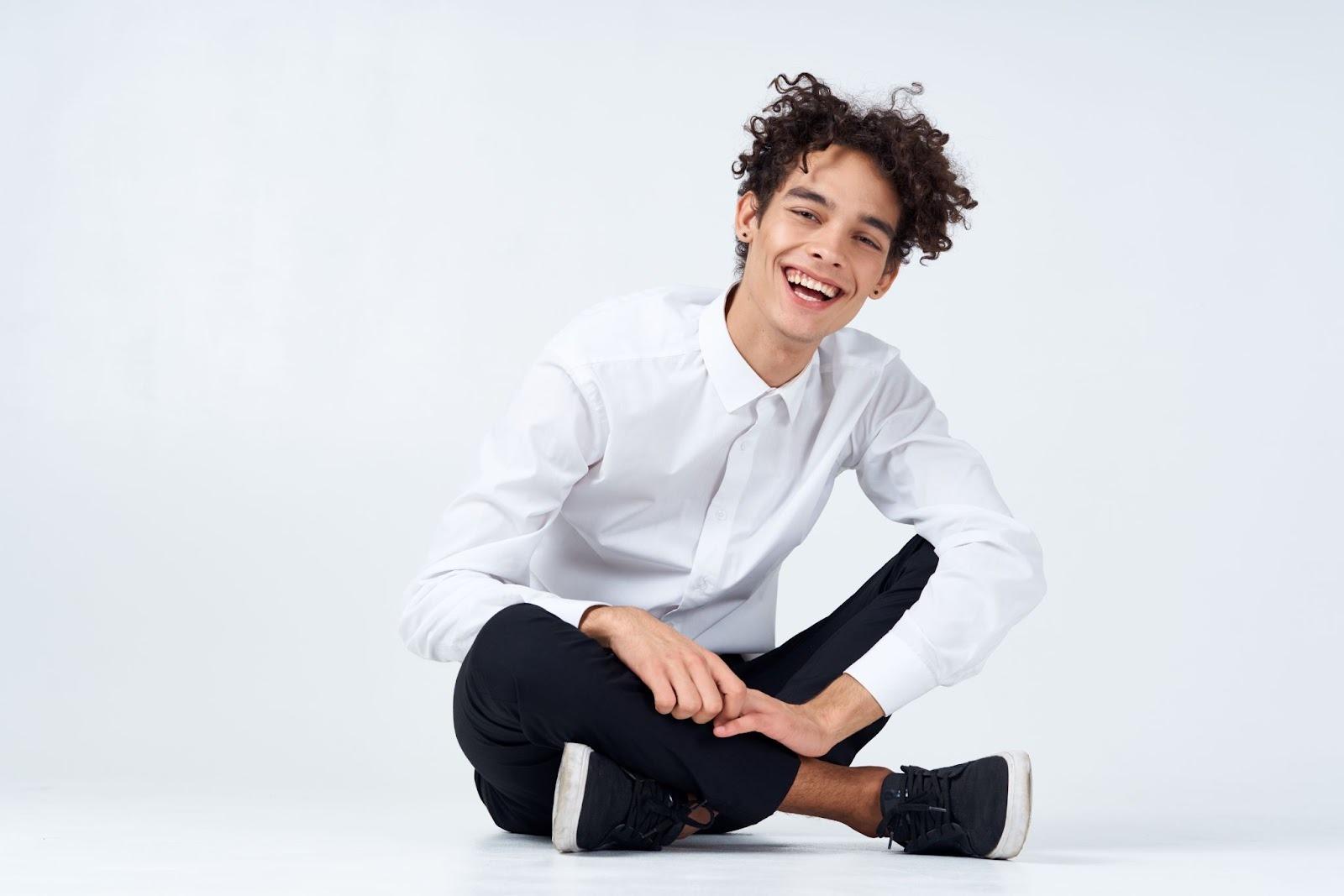
Compensation and career opportunities in modeling vary considerably between editorial and commercial domains, affecting how we approach our careers.
Editorial modeling often comes with lower pay, particularly for newcomers, as it prioritizes artistic expression over financial gain. It provides exposure and enhances our portfolios but may not offer the stability we need.
In contrast, commercial modeling typically offers better compensation, as it directly correlates with product sales. This field values relatability and accessibility, opening doors for a diverse range of models.
By building a well-rounded portfolio that showcases both editorial and commercial work, we increase our chances of securing lucrative gigs and a sustainable career in the industry.
Balancing both paths can lead to exciting opportunities.
What Our Clients Have to Say: Reviews of Studio1 Photography
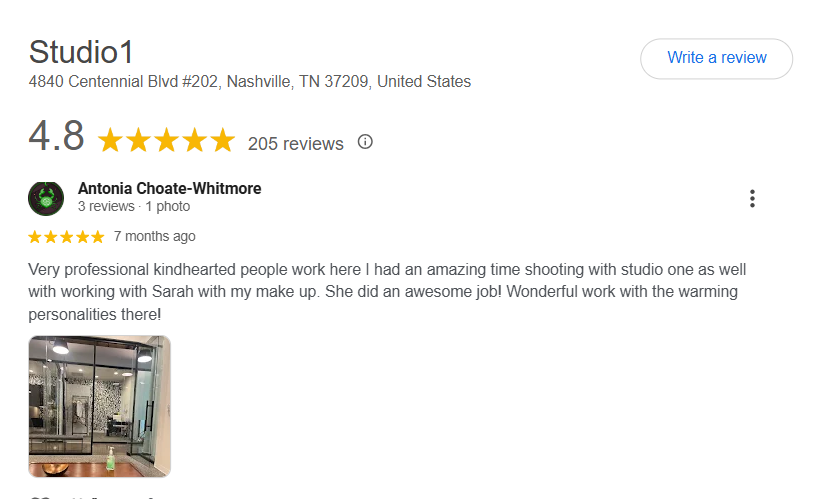
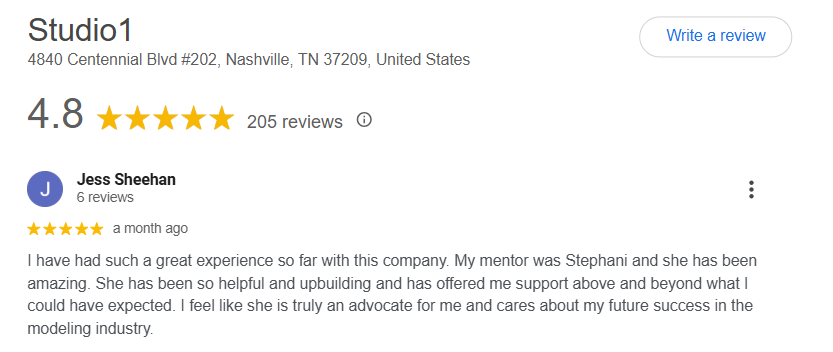
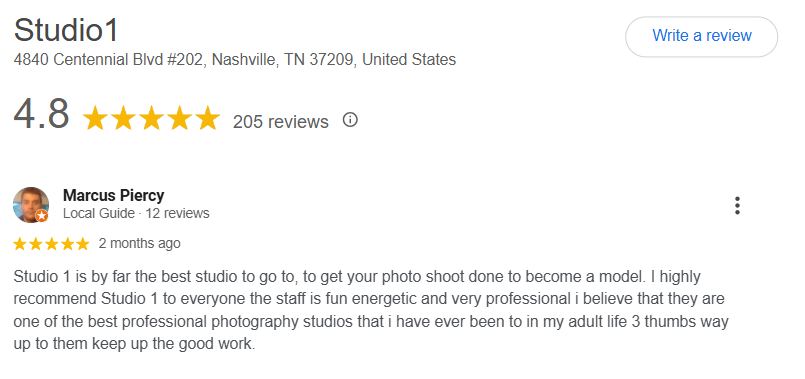
At Studio1 Photography, we take pride in the positive experiences shared by our clients. We’re excited to showcase some recent reviews from platforms like Google My Business. These testimonials reflect how our services have helped models understand the differences between editorial and commercial modeling while feeling supported throughout their experience. Take a moment to look at the screenshots below to see why our clients trust us. For more information, visit Studio1 Photography.
Frequently Asked Questions
What Type of Modeling Is More Competitive?
In our experience, editorial modeling tends to be more competitive due to its artistic nature and high standards. It often attracts many aspiring models, making it challenging to stand out in this niche market.
How Do Models Build a Portfolio for Each Type?
To build a strong portfolio, we should focus on diverse projects. For editorial work, we’ll collaborate with photographers and stylists, while for commercial, we’ll showcase relatable lifestyle images that connect with consumers effectively.
Are There Age Limits for Editorial or Commercial Modeling?
Age limits in modeling vary, but we’ve noticed that while editorial modeling often favors younger models, commercial modeling embraces diverse ages. It’s essential to explore opportunities across both fields, regardless of age.
Can a Model Transition From Editorial to Commercial Work?
Absolutely, we can shift from editorial to commercial work! Many models successfully navigate both domains by showcasing their versatility, adapting their skills, and understanding the different demands of each type of modeling. Let’s embrace this journey together!
What Role Does Social Media Play in Modeling Today?
Social media’s revolutionized modeling, hasn’t it? We use platforms to showcase our portfolios, connect with brands, and engage with fans. It’s essential for visibility, networking, and staying relevant in today’s competitive industry landscape.
Conclusion
In summation, steering through the worlds of editorial and commercial modeling reveals distinct paths, each with its own rewards and challenges. While editorial modeling thrives on creative expression and artistic vision, commercial modeling focuses on relatable market appeal. By understanding these differences, we can better align our aspirations with the modeling sector that suits us best. Whether we choose to embrace the artistry of editorial work or the consumer connection of commercial modeling, both paths offer exciting opportunities for growth and success.
Visit Studio 1 photography for more information.
Note: We love sharing creative inspiration, photography tips, and industry insights to help you capture life’s best moments! However, the services, styles, and equipment mentioned in our articles are for informational purposes only and may not reflect our current offerings. For the latest on our photography services and portfolio, visit Studio -1.us. Let’s create something beautiful together!

 English
 Français
 Español
 Português
 Deutsch
 Türkçe
 Dutch
Dutch
 Italiano
 Russian
 Romaian