


CPEng Chartered Professional Engineer Australia | Trusted Specialists
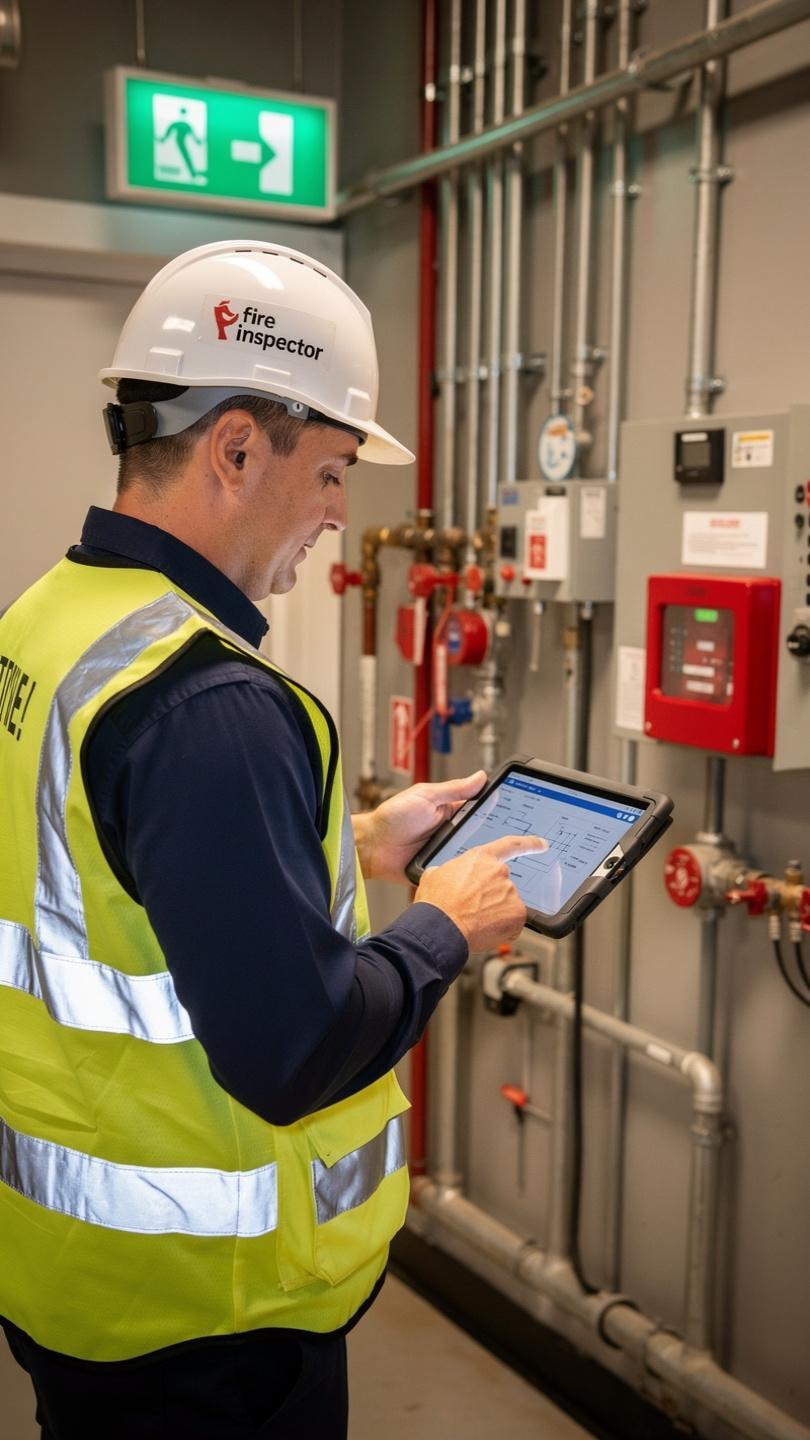
Modern buildings are larger, more complex, and more connected. Fire safety therefore cannot depend only on alarms, extinguishers, or evacuation signs. A strong strategy combines engineering judgment, building regulations, risk assessment, human behaviour, and practical emergency procedures. A Chartered Professional Engineer can help identify hazards early and develop solutions that protect people, property, and business operations. Vortex Fire combines technical expertise with practical, defensible advice for complex projects.
The Value of Qualified Fire Engineering Expertise
Fire safety engineering involves decisions that can directly affect life safety. Qualified professionals need technical knowledge, sound judgment, ethical responsibility, and continuing development. A chartered professional engineer has demonstrated advanced competence and the ability to take responsibility for complex engineering work. For fire safety projects, this expertise can include fire dynamics, smoke behaviour, evacuation science, performance-based design, fire protection systems, code interpretation, risk assessment, and coordination with other disciplines.
Professional recognition gives clients greater confidence when engineering decisions are reviewed by authorities, regulators, or project stakeholders. Vortex Fire states that its senior engineers include professionals with Chartered status in Fire Safety Engineering, supporting technical leadership, peer review, assurance, and oversight on complex projects.
How Fire Safety Engineering Supports Building Design
Effective fire protection begins during design. Fire engineers can work with architects, structural engineers, mechanical consultants, electrical teams, and building owners to understand how different systems interact. This approach helps identify fire hazards, smoke movement, occupant risks, escape limitations, and conflicts between design objectives and safety requirements.
A performance-based strategy may suit unusual geometry, complex occupancy, innovative construction, or conditions not addressed effectively by prescriptive solutions. Engineering analysis can justify a safe outcome while considering applicable building and fire codes. The objective is not simply paperwork. It is to create a defensible strategy that supports life safety and workable building design.
Key Elements of Emergency Evacuation Planning
An effective fire emergency evacuation plan gives occupants clear instructions before and during an emergency. It should identify suitable escape routes, emergency exits, assembly areas, alarm and communication procedures, and responsibilities for people managing the response. The plan should consider occupants who may require assistance because of disability, reduced mobility, age, or other circumstances.
Complex buildings may require project-specific emergency response procedures based on their occupancy, layout, systems, and foreseeable hazards. These procedures can cover fire, gas leaks, natural disasters, and other threats. Vortex Fire explains that comprehensive plans can include evacuation routes, assembly points, staff responsibilities, communication protocols, assistance procedures, and scheduled drills.
Why Fire Drills and Testing Are Essential
A procedure is useful only when people understand how to follow it. Fire drills help occupants and emergency coordinators test response arrangements under realistic conditions. Drills can reveal unclear instructions, blocked routes, communication problems, delays, or difficulties assisting vulnerable occupants.
Testing should be treated as a learning process, not simply a compliance exercise. After each drill, teams can review evacuation times, occupant behaviour, communication, alarm performance, and weaknesses. Lessons can then be used to improve procedures, training, signage, and emergency coordination. Review is especially important when building use, staffing, occupancy, layouts, or safety systems change.
Integrating Compliance, Risk, and Human Behaviour
Fire safety decisions should consider both technical requirements and how people actually behave. Occupants may delay evacuation, become confused by unfamiliar routes, or respond differently depending on the type of emergency. Fire and smoke behaviour also changes rapidly, making early warning, suitable compartmentation, detection, alarm systems, and protected escape paths important parts of an overall strategy.
Professional fire engineering brings these factors together through risk assessment and technical analysis. It helps teams understand design consequences and select proportionate mitigation measures. This approach is valuable for new buildings, alterations, refurbishments, and complex developments where safety requirements need careful coordination.
Choosing the Right Fire Safety Partner
Selecting a competent fire safety consultant is an important project decision. Look for relevant engineering qualifications, professional registration, project experience, technical capability, and knowledge of applicable codes and standards. Strong consultants should also communicate clearly with architects, contractors, authorities, building owners, and other stakeholders.
Vortex Fire identifies professional recognition, technical leadership, peer review, performance-based analysis, authority engagement, and ethical engineering as important parts of its practice. Its senior engineers provide guidance intended to support compliant, constructible, and defensible design outcomes. For clients managing complex fire safety risks, this combination can provide confidence.
Conclusion
Safe buildings require more than individual fire protection products. They need coordinated engineering, practical emergency procedures, trained occupants, effective testing, and ongoing review. A chartered professional engineer can provide accountable technical leadership when complex fire safety decisions require advanced judgment and specialist knowledge. Equally, a project-specific fire emergency evacuation plan helps occupants understand how to respond quickly and safely during an emergency. By integrating risk assessment, building code knowledge, evacuation science, fire protection design, and regular drills, organisations can create stronger life safety strategies and more resilient buildings.
FAQs
What does a chartered fire engineer do?
A chartered fire engineer applies advanced engineering knowledge to fire risk, fire behaviour, evacuation, protection systems, building codes, and performance-based design. They may also provide technical leadership, peer review, and professional assurance for complex projects.
Why is an emergency evacuation plan important?
It provides clear instructions for reporting emergencies, raising alarms, evacuating occupants, reaching assembly points, assigning responsibilities, and supporting people who need assistance. Regular testing helps ensure the procedures remain practical and effective.
When should an evacuation plan be reviewed?
It should be reviewed whenever there are significant changes to building layout, occupancy, staffing, access routes, safety systems, or emergency responsibilities. Regular drills can also identify improvements that should be incorporated into the plan.
Can fire engineering support performance-based design?
Yes. Fire engineering analysis can help address complex design conditions by assessing fire scenarios, smoke behaviour, occupant evacuation, structural considerations, and fire protection measures against applicable requirements.
What should businesses look for in a fire safety consultant?
Consider professional qualifications, relevant registration, fire safety experience, technical expertise, knowledge of applicable codes, communication skills, and the ability to coordinate effectively with project stakeholders and authorities.

 English
 Arabic
 Español
 Português
 Deutsch
 Türkçe
 Dutch
Dutch
 Italiano
 Russian
 Romaian