


Mild Hybrid Vehicles: A Promising Transition Technology Towards Electrification
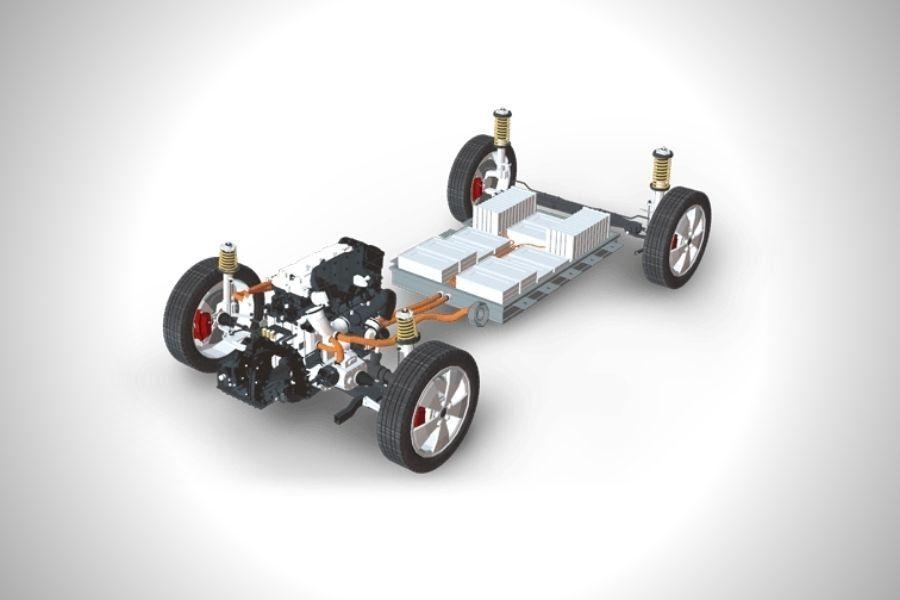
Introduction to Mild Hybrid Systems
Mild hybrid systems aim to improve fuel efficiency through micro hybridization. These systems pair a small electric motor, typically 10-20 kW, with a combustion engine and add features like start-stop, regenerative braking and torque assist. By recovering and reusing brake energy, mild hybrids can achieve 5-15% improved fuel economy compared to a conventional vehicle.
System Components
A mild hybrid powertrain consists of the following key components:
- Start-Stop System: Automatically shuts off the engine at idle and restarts it smoothly when needed. This avoids wasteful idling emissions.
- Regenerative Braking: During deceleration, the electric motor acts as a generator to recharge the battery by capturing kinetic energy that would otherwise be lost through braking.
- Battery Pack: Lithium-ion or lead-acid batteries with a capacity of 0.5-1 kWh are typically used to store braking energy and power electrical accessories.
- Electric Motor: Located near the engine, the 10-20 kW electric motor provides torque assist and powers the start-stop system. It does not directly propel the vehicle.
- Power Electronics: A DC/DC converter manages power flows between the high-voltage battery and low-voltage electrical system. Its control unit orchestrates hybrid functions.
Advantages Over Conventional Vehicles
Mild Hybrid Vehicles achieve emissions reductions and fuel savings by recovering energy lost during braking and shutting off the engine during idle with the start-stop feature. Some key advantages include:
- Improved Fuel Economy: Studies show 5-15% better fuel efficiency compared to similar gasoline vehicles without a hybrid system. Savings come from capturing braking energy and avoiding idling burns.
- Lower Emissions: By reducing fuel usage and engine run-time, CO2 emissions are cut by 10-15% on average. There are accompanying reductions in other tailpipe pollutants as well.
- Power and Torque Boost: The electric assist provides a shot of instant torque to make acceleration and passing maneuvers smoother. This reduces driver frustration.
- Regenerative Braking: By feeding captured braking energy back into the battery instead of wasting it as heat, the hybrid cycle improves energy recovery rates noticeably versus a non-hybrid vehicle.
Applications and Market Adoption
With their ability to deliver efficiency upgrades at a relatively lower cost than full hybrids or plug-in hybrids, mild hybrids have seen applications across different vehicle categories:
- Passenger Cars: Mainstream automakers have deployed mild hybrid tech on a variety of gas-powered cars ranging from compacts to SUVs. Examples include the Honda Insight and Toyota RAV4.
- Commercial Vehicles: For company or government fleets, mild hybrids deliver promising returns on investment thanks to high annual mileage use. Delivery trucks are utilizing the technology.
- Premium Vehicles: Even luxury cars are embracing mild hybridization. For example, variants of the Mercedes-Benz S-Class, BMW 7 Series and Audi A8 are now available with mild hybrid powertrains.
- Aftermarket Systems: Independent manufacturers supply compact mild hybrid retrofit kits that can boost the efficiency of older gas vehicles still on the road today.
According to various estimates, mild hybrid vehicle sales have grown at an annual rate of 15-20% over the last 5 years. Looking ahead, they are expected to account for 15-20% of global new passenger vehicle production by 2030.
Role in Transition to Electrified Transport
While plug-in hybrids and full battery electric vehicles offer higher efficiency gains or local emissions-free driving, their costs remain higher for now versus mild hybrids. As such, mild hybridization serves as an affordable transitional technology to expose more drivers and fleets to hybrid functionality at scale before advanced electrified solutions become widely accessible.
By capturing low-hanging efficiency upgrades available through light hybridization approaches, automakers can buy time to develop affordable long-range EVs for the masses while still responding to tightening emissions regulations. Governments too stand to benefit from the near-term emissions cuts mild hybrids enable as their nations work towards sustainability targets over the next decade.
Overall, mild hybrid vehicles represent a pragmatic compromise technology that delivers environmental benefits today while the electrified transport transition continues evolving worldwide. Their broad applications across model lineups make them a promising candidate to serve as hybrids for the people until battery electrics achieve price parity with gasoline cars.
Get more insights on this topic: Mild Hybrid Vehicles
Explore More Articles: Kidney Cancer Drugs Market

 English
 Arabic
 Français
 Español
 Deutsch
 Türkçe
 Dutch
Dutch
 Italiano
 Russian
 Romaian