


Mastering iPhone App Development: The Ultimate Handbook
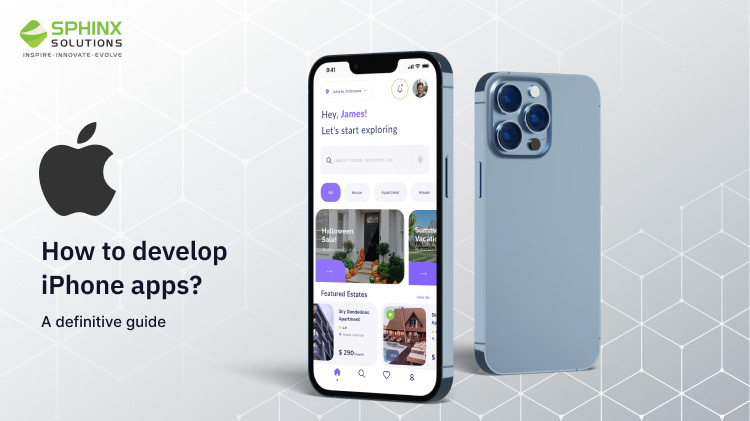
In today's digital landscape, iOS app development has emerged as a cornerstone of modern business strategies, especially with the ever-expanding user base of iOS devices. With a focus on user-centric design and cutting-edge innovations, the iOS app market, including iPad app development, offers immense opportunities for businesses to connect with their audiences. Let's delve into the intricacies of iPhone app development and explore the key steps involved.
Understanding iPhone App Development
iPhone app development encompasses the process of designing, developing, and deploying mobile applications tailored for iOS-compatible devices such as iPhones and iPads. From conceptualization to deployment, this journey involves several crucial phases.
Planning and Ideation: Before diving into development, it's essential to define project objectives, identify target audiences, and conduct thorough market research to address specific user needs and preferences. A detailed plan outlining app features, functionalities, and user interface sets the foundation for the project.
User Interface Designing: The UI/UX design plays a pivotal role in the success of iOS apps. Adhering to Apple's design principles and guidelines ensures a seamless user experience. Prioritize responsiveness, accessibility, and intuitive navigation to enhance user engagement.
Development with Swift: Leveraging Swift, Apple's preferred programming language, app developers create native iOS apps known for their seamless integration and optimal performance within the Apple ecosystem. Swift's concise syntax facilitates efficient coding, contributing to the development process's agility.
Testing: Rigorous testing and quality assurance are imperative to identify and rectify bugs, ensuring the application's stability and functionality. Utilize Xcode's advanced testing tools, including UI and unit testing, to build robust and feature-rich applications. Beta testing provides valuable feedback before the final release.
App Store Submission: The culmination of the development process involves publishing the app on the Apple App Store. Adhere to submission guidelines, including metadata, screenshots, and app descriptions. Apple's review process ensures compliance with security and quality standards before the app's release.
Best Practices for iOS App Development
Follow Apple's Design Guidelines: Consistency with Apple's Human Interface Guidelines enhances user experience and contributes to the app's functionality.
Optimize for Various iOS Devices: Design and test the app for different screen sizes and resolutions, ensuring compatibility across iPhones and iPads.
Focus on App Performance: Optimize code for efficiency and regularly analyze app performance using Xcode's built-in tools to maintain optimal user experience.
Ensure Security: Prioritize user privacy and data security by implementing secure coding practices, transparent user permissions, and regular updates to address vulnerabilities.
How to Develop iPhone Apps
Set up Your Development Environment: Acquire necessary tools and technologies, including Xcode, the official IDE for iOS app development.
Register for a Developer Account: Sign up for an Apple developer account to access testing and publishing capabilities on the App Store.
App User Interface Design: Utilize Xcode's visual interface to design the app's UI elements and create a storyboard outlining the app's flow.
Coding with Swift: Write the application logic using Swift programming language within Xcode, ensuring functionality aligns with design elements.
Testing Your Application: Utilize Xcode's simulator to mimic iOS device functionalities and conduct real-device testing to ensure optimal performance.
Publish The App on The App Store: Prepare the app listing with compelling descriptions, engaging screenshots, and metadata, adhering to Apple's guidelines for submission.
Final Thoughts
iOS app development is a dynamic journey that demands technical expertise, creativity, and adherence to best practices. Staying updated with the latest trends and technologies is essential for creating advanced iOS applications that resonate with users. Partnering with a professional iOS development team can streamline the development process and bring your app ideas to life effectively. Embrace the opportunities offered by iOS app development to propel your business into the digital realm.

 English
 Arabic
 Français
 Português
 Deutsch
 Türkçe
 Dutch
Dutch
 Italiano
 Russian
 Romaian