


Endoscopic Submucosal Dissection Market Emerging Technologies and Market Evolution
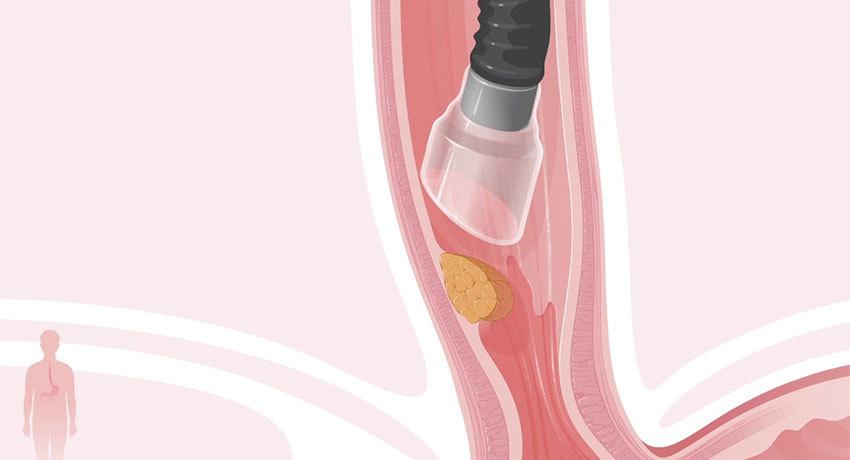
Endoscopic Submucosal Dissection Market Outlook
The global market for endoscopic submucosal dissection reached a valuation of US$ 245.9 million by the end of 2022, with a projected compound annual growth rate (CAGR) of 7.2% over the next decade, indicating robust market expansion. According to Persistence Market Research, revenue from this sector is anticipated to reach US$ 532.6 million by 2032.
In 2021, stomach cancer alone contributed US$ 199.1 million to the market, with hospitals capturing a significant 44.8% share globally. Endoscopic submucosal dissection market accounted for approximately 7.9% of the global endoscopy device market in 2021, growing at a CAGR of 6.6% during the historical period from 2014 to 2021.
Endoscopic submucosal dissection (ESD) is a pivotal technique in gastrointestinal (GI) endoscopy, primarily used for the treatment of early-stage cancers and precancerous lesions. This article explores the emerging technologies driving advancements in ESD and the evolution of the ESD market, highlighting trends and future prospects.
Emerging Technologies in ESD
-
Advanced Endoscopic Tools:
- Electrosurgical Knives: Innovations in electrosurgical knives, such as insulated-tip knives and dual knives, enhance precision and control during dissection, reducing the risk of complications.
- Hemostatic Devices: New hemostatic devices and techniques improve the management of intraoperative bleeding, a common challenge in ESD, thereby enhancing procedural safety.
-
Enhanced Imaging Modalities:
- High-Definition Endoscopes: The advent of high-definition endoscopes with superior resolution and image quality facilitates the accurate identification and delineation of lesions.
- Narrow-Band Imaging (NBI): NBI and other virtual chromoendoscopy techniques improve contrast and visualization of mucosal patterns, aiding in the precise detection of abnormal tissue.
-
Robotic-Assisted ESD:
- Robotic Platforms: The integration of robotic platforms in ESD offers enhanced dexterity, stability, and precision. Robotic-assisted ESD systems enable finer movements and better control, potentially reducing procedural time and improving outcomes.
-
Artificial Intelligence (AI) and Machine Learning:
- AI-Driven Diagnostics: AI algorithms are being developed to assist in real-time lesion detection and classification, providing endoscopists with valuable diagnostic support.
- Machine Learning Models: Predictive models utilizing machine learning can aid in assessing patient suitability for ESD and predicting potential complications, optimizing patient selection and procedural planning.
Market Evolution
-
Increasing Adoption of ESD:
- Growing Awareness: Increased awareness among healthcare providers and patients about the benefits of ESD, such as its minimally invasive nature and high success rates, is driving its adoption.
- Expanding Indications: The indications for ESD are expanding beyond early-stage cancers to include a wider range of GI lesions, broadening the scope of its application.
-
Global Market Expansion:
- Emerging Markets: The ESD market is witnessing significant growth in emerging economies, driven by improvements in healthcare infrastructure and access to advanced endoscopic technologies.
- Regulatory Support: Favorable regulatory frameworks and reimbursement policies in various regions are facilitating the integration of ESD into standard clinical practice.
-
Training and Education:
- Skill Development Programs: Comprehensive training programs and workshops are essential to standardize ESD techniques and ensure high proficiency among endoscopists.
- Global Collaborations: International collaborations and knowledge exchange initiatives are promoting the dissemination of best practices and advancements in ESD.
-
Patient-Centric Approaches:
- Personalized Medicine: The adoption of personalized treatment plans based on individual patient characteristics and lesion specifics is enhancing the efficacy and safety of ESD procedures.
- Improved Patient Outcomes: Enhanced recovery protocols and supportive care measures are contributing to better patient outcomes and overall satisfaction.
Future Prospects
-
Technological Innovations:
- Next-Generation Endoscopes: The development of next-generation endoscopes with integrated AI capabilities and advanced imaging features is expected to further improve diagnostic accuracy and procedural efficiency.
- Miniaturized Robotic Systems: Advances in miniaturized robotic systems may enable more widespread use of robotic-assisted ESD, making the technique accessible to a larger patient population.
-
Research and Development:
- Clinical Trials: Ongoing clinical trials and research studies are critical in validating new technologies and techniques, ensuring their safety and efficacy in clinical practice.
- Innovation Hubs: The establishment of innovation hubs and research centers dedicated to endoscopic technologies will drive continuous advancements in ESD.
-
Market Trends:
- Increased Investments: Growing investments in healthcare technology and endoscopic research are propelling the development of innovative ESD solutions.
- Collaborative Ecosystems: Collaboration between medical device manufacturers, healthcare providers, and academic institutions is fostering a dynamic ecosystem for the advancement of ESD technologies.
Conclusion
The endoscopic submucosal dissection market is undergoing a transformative evolution driven by emerging technologies and expanding clinical applications. As advancements in endoscopic tools, imaging modalities, and AI-driven diagnostics continue to enhance procedural precision and safety, the future of ESD looks promising. The market's evolution is marked by increased adoption, global expansion, and patient-centric approaches, paving the way for continued growth and innovation in gastrointestinal endoscopy.
In conclusion, the integration of cutting-edge technologies and collaborative efforts in research and training are set to redefine the landscape of ESD, offering patients effective, minimally invasive treatment options with improved outcomes.

 English
 Arabic
 Français
 Español
 Português
 Deutsch
 Türkçe
 Dutch
Dutch
 Russian
 Romaian