


Meat Substitute: Meatless But Meaty Exploring Meat analogue
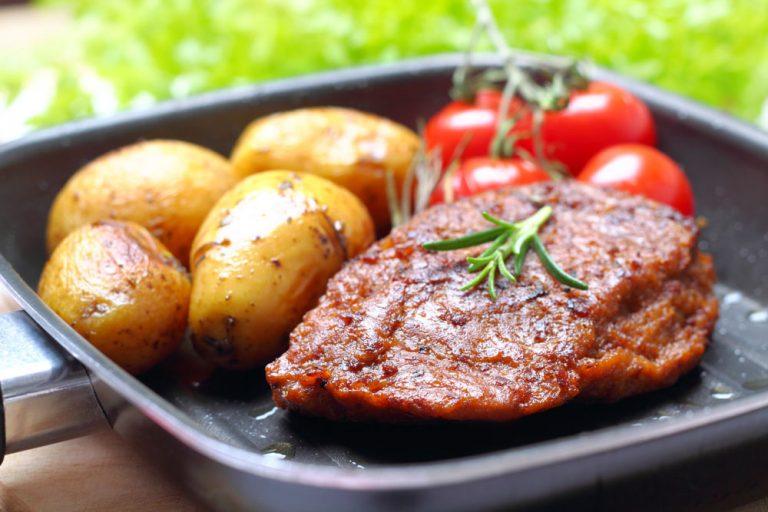
The Rise of Meat Substitute
Recent years have seen increased awareness of the environmental and health impacts of industrial meat production. As a result, demand for meat analogues made from plant-based ingredients like soy, wheat, and pea protein has risen dramatically. Major food companies have taken notice, introducing an array of new faux meat products aimed at replicating the taste, texture, and cooking experience of real meat.
Nutritional Profile of Meat Substitute
Many Meat Substitute analogues are highly processed but offer certain nutritional benefits over meat. While they lack meat's saturated fat and cholesterol content, many options provide comparable amounts of protein. Soy-based substitutes in particular are a complete plant-based source of protein containing all essential amino acids. They also supply fiber, vitamins, and minerals like iron, calcium, and vitamin B12 lacking in some vegan diets. However, highly processed meat alternatives may also contain additives, salt, and sugar. Consumers should check nutrition labels and choose options best aligning with their dietary needs and restrictions.
Soy-Based Meat analogues
Soybeans have long been utilized as a meat alternative across Asian cuisines like tofu, tempeh, and textured vegetable protein (TVP). Modern food manufacturing has developed highly processed soy meat analogues made to resemble specific cuts of beef, chicken or pork. Products like soy crumbles, sausages, fillets and grounds are made from isolated soy protein, wheat gluten, and other binders that achieve meat-like textures when cooked. Soy substitutes provide protein, iron, and fiber at lower calorie and saturated fat levels than meat while eliciting similar tastes through seasoning and smoking. Prepared soy items require only basic cooking techniques like frying, baking or adding to dishes.
Wheat and Gluten-Based Meat analogues
Gluten, the naturally occurring protein found in wheat, has extraordinary binding and shear properties that enable it to simulate meat textures when hydrated. Gluten is the primary ingredient in many commercial seitan products, made by rinsing wheat dough which extracts the starch and leaves behind concentrated, chewy strips or chunks of gluten protein. Seitan can approximate meaty dishes like stir fries, stews and BBQ when sliced or diced. Beyond seitan, wheat protein in the form of vital wheat gluten is incorporated into vegetarian sausages and deli cuts for its fat- and cholesterol-free meatiness. These substitutes typically require no special preparation other than heating as called for in recipes.
Get More Insights on- Meat Substitute

 Arabic
 Français
 Español
 Português
 Deutsch
 Türkçe
 Dutch
Dutch
 Italiano
 Russian
 Romaian