A myomectomy is a surgical procedure designed to remove uterine fibroids while preserving the uterus. As fibroids can cause a range of symptoms, including heavy menstrual bleeding, pelvic pain, and frequent urination, a myomectomy can provide significant relief and improve quality of life. However, undergoing this surgery can also lead to various body changes after myomectomy. This article will explore what to expect in terms of physical and hormonal changes, recovery, and long-term effects after a myomectomy.
What is a Myomectomy?
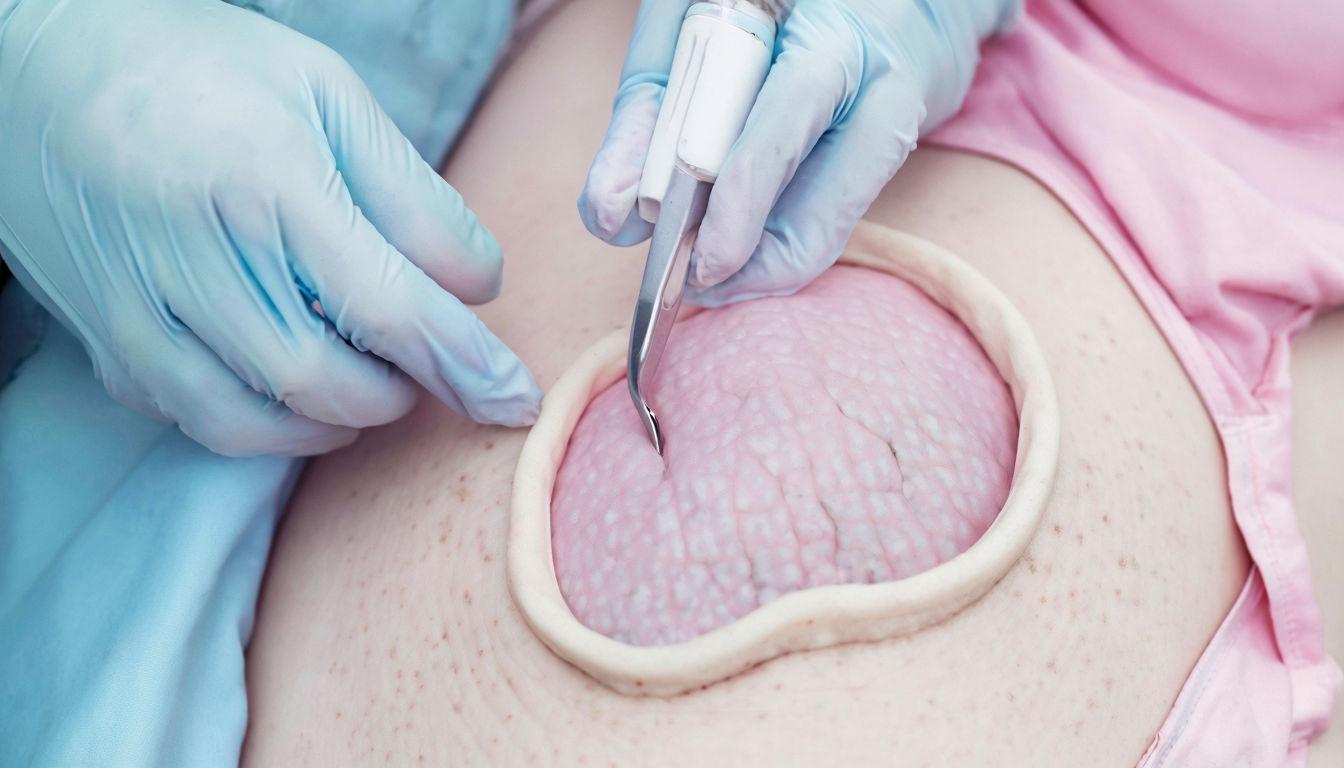
A myomectomy involves the removal of uterine fibroids while preserving the uterus. It can be performed through different approaches: abdominal myomectomy, laparoscopic (or minimally invasive) myomectomy, and hysteroscopic myomectomy. The choice of procedure depends on the size, number, and location of the fibroids.
Immediate Post-Operative Changes
-
Pain and Discomfort: After a myomectomy, you might experience pain and discomfort in the abdominal area. This is normal and should gradually subside as you heal. Pain management with prescribed medications can help alleviate these symptoms.
-
Swelling and Bruising: Swelling and bruising around the incision site or abdominal area are common. These symptoms should diminish as your body recovers from the surgery.
-
Changes in Menstrual Cycle: One of the notable body changes after myomectomy is a potential shift in your menstrual cycle. Initially, your periods may be irregular, and you might experience lighter or heavier bleeding than before. Monitoring these changes is important, and any significant abnormalities should be discussed with your healthcare provider.
Hormonal and Reproductive Changes
-
Hormonal Fluctuations: Removing fibroids can lead to hormonal changes, especially if the fibroids were producing estrogen. This shift may result in alterations to your menstrual flow, mood swings, or hot flashes. Over time, your body will adjust to these body changes after myomectomy.
-
Fertility Considerations: A significant benefit of a myomectomy is the potential improvement in fertility. Many women find that their ability to conceive improves after the procedure. However, individual outcomes can vary based on the location and size of the fibroids and the extent of the surgery.
Recovery and Lifestyle Adjustments
-
Recovery Time: Full recovery from a myomectomy can take several weeks to months. Your doctor will provide specific guidelines on when you can resume normal activities, including exercise and sexual activity.
-
Physical Activity: Initially, you'll need to limit strenuous activities and heavy lifting. Gradually, you can reintroduce physical activity based on your doctor’s advice. Light exercise, such as walking, can aid in recovery.
-
Diet and Hydration: Maintaining a balanced diet and staying hydrated are crucial during your recovery period. Eating a nutritious diet can help your body heal more efficiently.
-
Follow-Up Appointments: Regular follow-up appointments with your healthcare provider are essential to monitor your recovery and address any concerns. These visits will help ensure that your uterus is healing properly and that no complications have arisen.
Long-Term Effects and Considerations
-
Uterine Health: After a myomectomy, your uterus should function normally, and the removal of fibroids often alleviates the symptoms caused by them. However, new fibroids can develop over time, so ongoing monitoring may be necessary.
-
Potential Risks: As with any surgery, there are potential risks, including infection, bleeding, or scarring. Discuss these risks with your healthcare provider and follow their advice to minimize complications.
-
Emotional Impact: The emotional impact of undergoing a myomectomy can vary. Some women feel a sense of relief and improved well-being, while others may experience anxiety or depression related to their recovery. Support from friends, family, or a therapist can be beneficial.
Conclusion
Understanding the body changes after myomectomy can help you navigate your recovery and adjust to life after the procedure. While you may experience a range of physical and hormonal changes, being informed and following your healthcare provider’s recommendations can ensure a smoother recovery process. For personalized advice and support, always consult with your healthcare provider, who can provide guidance tailored to your specific situation.




 English
 Arabic
 Français
 Español
 Português
 Deutsch
 Türkçe
 Dutch
Dutch
 Italiano
 Romaian