


Leveraging Core ML and Vision Implementing Machine Learning in iOS Apps
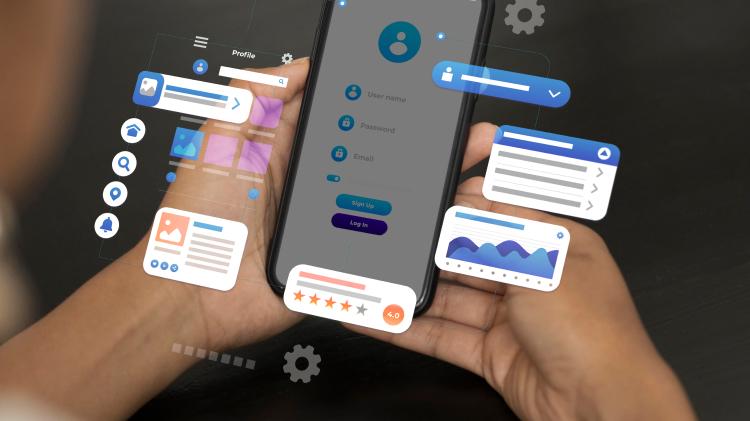
As an iOS app development company, we've witnessed the growing impact of machine learning on mobile app development. Core ML and Vision frameworks, introduced by Apple, have revolutionized the way developers integrate ML capabilities into their iOS apps. By leveraging these powerful tools, you can create dynamic, intelligent, and personalized user experiences that set your app apart in the competitive market.
In this blog post, we'll explore the key aspects of implementing machine learning in iOS apps using Core ML and Vision, and how it can benefit your business.
What are Core ML and Vision?
Core ML is a powerful framework that allows you to integrate machine learning models directly into your iOS apps. It supports a wide range of model formats, including those created with popular ML libraries like Tensor Flow, Caffe, and Keras. Core ML ensures fast and efficient on-device processing, enabling real-time predictions and preserving user privacy.
Vision, on the other hand, is a high-level framework built on top of Core ML. It provides a set of APIs for common computer vision tasks such as object detection, image classification, and face detection. Vision simplifies the process of integrating ML-powered computer vision capabilities into your app, allowing you to focus on building innovative features.
If you're ready to take your iOS app to the next level by leveraging machine learning, book an appointment with our team of experts. We'll help you identify the best use cases for machine learning in your app, develop custom ML models, and integrate them seamlessly using Core ML and Vision frameworks.
Benefits of Implementing Machine Learning in iOS Apps
- Personalized User Experiences: By training ML models on user data, you can create personalized recommendations, content suggestions, and adaptive features that cater to individual preferences.
- Intelligent Decision-Making: ML algorithms can analyze user behavior, preferences, and contextual data to make smart decisions and provide relevant recommendations.
- Enhanced User Engagement: Intelligent and personalized features keep users engaged and coming back to your app, leading to increased user retention and loyalty.
- Competitive Advantage: Implementing ML in your iOS app can give you a competitive edge by offering unique and innovative features that set your app apart from others in the market.
How to Implement Machine Learning in iOS Apps
- Identify Use Cases: Determine the specific areas in your app where machine learning can be applied to enhance user experience, such as personalization, image recognition, or natural language processing.
- Collect and Prepare Data: Gather relevant data for training your ML models. Ensure that the data is clean, structured, and representative of the problem you're trying to solve.
- Choose ML Models: Select appropriate ML models based on your use case and the type of data you have. Core ML supports a wide range of model types, including neural networks, decision trees, and support vector machines.
- Train Models: Train your ML models using popular ML libraries like TensorFlow or Keras. Ensure that the models are optimized for on-device deployment and meet performance and accuracy requirements.
- Integrate with Core ML: Convert your trained models to the Core ML format and integrate them into your iOS app using the Core ML APIs. Core ML provides tools for converting models from various formats and optimizing them for on-device deployment.
- Leverage Vision Framework: If your use case involves computer vision tasks, utilize the Vision framework to simplify the integration process. Vision provides high-level APIs for common computer vision tasks, making it easier to implement features like object detection, image classification, and face recognition.
- Test and Optimize: Test your ML-powered features thoroughly to ensure they provide accurate and reliable results. Monitor user feedback and usage data to identify areas for improvement and optimize the models accordingly.
When it comes to implementing machine learning in your iOS app, the cost can vary depending on several factors, such as:
- Complexity of the ML models: More complex models may require more computational resources and development time.
- Amount of data: The volume and quality of data used for training the models can impact the development cost.
- Integration complexity: The level of integration required between the ML models and the app's functionality can affect the development cost.
To get a more accurate estimate of the cost to implement machine learning in your iOS app, consider using an iOS app cost calculator or consulting with an experienced custom iPhone app development company.
Contact us today to learn more about our custom iPhone app development services and how we can help you create an intelligent and engaging app that stands out in the market.

 English
 Arabic
 Français
 Español
 Português
 Deutsch
 Türkçe
 Dutch
Dutch
 Russian
 Romaian