Introduction
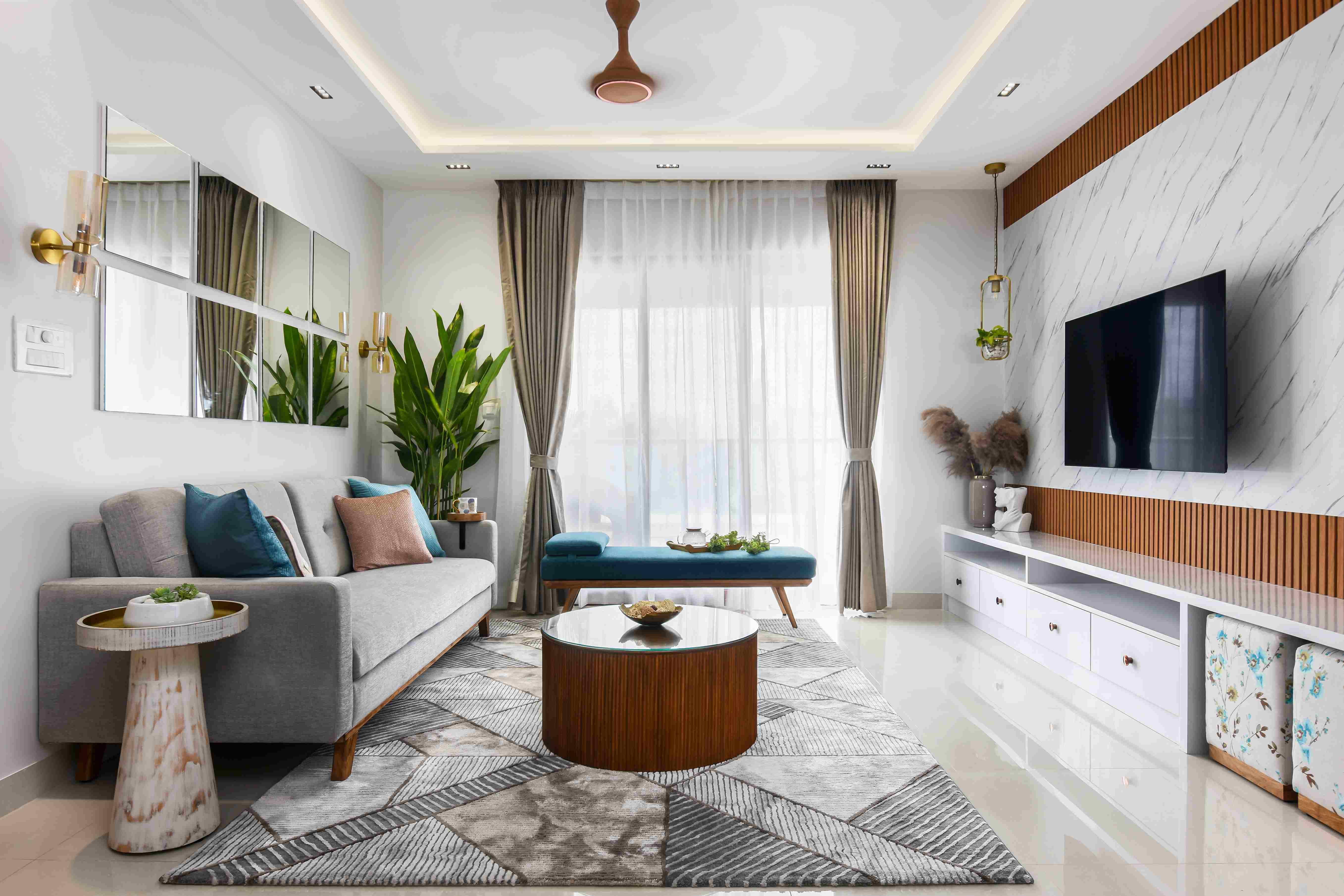
The living room is often the heart of the home—a space where you relax, entertain guests, and create lasting memories. A well-designed living room enhances both the aesthetic appeal and functionality of your home, making it a crucial space to get right. Whether you’re starting from scratch or looking to refresh your current space, there are essential tips and tricks to ensure your living room interior design reflects your personal style and meets your needs. In this guide, we’ll walk you through the top 10 must-know tips for perfect living room interior design, providing expert advice on how to create a harmonious, stylish, and functional space that suits your lifestyle.
1. Start with a Clear Vision
Before diving into furniture selections, colors, and accessories, it's essential to have a clear vision of what you want for your living room. Your vision will serve as the foundation for all your design choices, ensuring a cohesive and purposeful outcome.
- Define the Function: Think about how you use the living room. Is it a space for watching movies, entertaining guests, or a combination of both? Understanding the primary function of the room helps inform your furniture layout and design choices.
- Choose a Style: Whether you prefer a modern, rustic, minimalist, or eclectic style, deciding on a design direction will keep you focused and prevent your living room from feeling cluttered or mismatched.
2. Choose the Right Color Palette
Color is one of the most powerful elements in interior design. The right colors can set the mood, create a sense of space, and tie the room together.
- Neutral Tones: Neutral colors like beige, gray, and white are timeless and versatile. They serve as a great foundation for other design elements, allowing you to experiment with accent colors in pillows, rugs, and artwork.
- Accent Colors: If you prefer a more vibrant look, choose one or two accent colors that complement your neutral base. Bold hues like teal, mustard, or navy can add depth and personality to the room without overwhelming it.
- Consider Natural Light: Natural light can drastically affect how colors appear. If your living room has plenty of natural light, consider incorporating cooler tones like blues and greens. For darker rooms, warmer tones like soft yellows or light greys can help brighten the space.
3. Create a Focal Point
Every well-designed living room needs a focal point—a visual anchor that draws attention and sets the tone for the entire room. Without a focal point, the space can feel disjointed or lack direction.
- Fireplace: If your living room has a fireplace, it naturally becomes the focal point. Arrange your furniture to face the fireplace and complement it with artwork or decorative elements that enhance its presence.
- Artwork or a Statement Piece: A large piece of art or a bold statement piece of furniture, such as an oversized sofa or a unique coffee table, can also serve as the room’s focal point.
- Media Center: If the TV is the main attraction in your living room, make sure it’s strategically placed on a feature wall. Surround it with bookshelves, media consoles, or artwork to avoid it feeling like an eyesore.
4. Invest in Quality Furniture
Furniture is the backbone of any living room interior design. It’s important to invest in pieces that combine both comfort and style. Keep in mind that you don’t need to buy everything at once—focus on the essentials first and add other elements over time.
- Sofa and Chairs: The sofa is often the largest piece of furniture in the living room, so choose one that’s comfortable, durable, and in line with your design style. Don’t forget to add complementary chairs for extra seating.
- Coffee Table: A well-chosen coffee table can serve as both a functional and decorative element. Consider materials like wood, metal, or glass depending on your room’s style.
- Storage Solutions: Look for pieces that offer both storage and style, such as ottomans with hidden compartments or media consoles with built-in shelving.
5. Focus on Lighting
Lighting is a crucial element that affects both the atmosphere and functionality of your living room. A well-lit room can look bigger, warmer, and more inviting.
- Layered Lighting: Incorporate three types of lighting to create a balanced ambiance: ambient lighting (overhead or recessed lighting), task lighting (table lamps or floor lamps), and accent lighting (wall sconces or spotlights).
- Natural Light: Maximize natural light by using light, airy curtains or blinds. Position your furniture to make the most of the daylight available, and avoid blocking windows with large furniture pieces.
- Statement Lighting: A chandelier or statement light fixture can serve as a focal point while providing ample lighting. Choose a fixture that complements the room’s overall style.
6. Use Textures to Add Depth
Adding a variety of textures to your living room interior design can elevate the space and make it feel more inviting and dynamic.
- Soft Fabrics: Incorporate plush cushions, throws, and rugs to add comfort and warmth to your living room. These elements can also be used to introduce color and pattern into the space.
- Natural Elements: Consider introducing wood, stone, or plants into your design. Wooden furniture or a stone fireplace adds texture and visual interest, while plants bring life and freshness to the room.
- Metal and Glass: Incorporating metallic accents or glass elements (like coffee tables or light fixtures) can create contrast and add a touch of sophistication.
7. Pay Attention to Scale and Proportion
One of the most important aspects of living room interior design is ensuring that furniture and accessories are the right size for the room. Overly large furniture in a small space can make the room feel cramped, while too-small pieces in a large room can make it feel empty.
- Balance Furniture: Ensure that your furniture pieces are in proportion to the room’s size. For a larger living room, consider incorporating bigger furniture items and accessories to fill the space. In a smaller room, opt for more compact, streamlined pieces that won’t overwhelm the area.
- Avoid Overcrowding: Leave space between furniture pieces to allow for easy movement and create a sense of openness.
8. Incorporate Personal Style and Personality
Your living room should reflect your unique style and personality. It’s the one space in your home where you can truly express yourself through design.
- Artwork and Photos: Displaying personal art pieces or family photos can add warmth and character to your space. Frame your favorite artworks or create a gallery wall to showcase your personal tastes.
- Collectibles and Antiques: If you have treasured collections, consider incorporating them into your living room design. Whether it's vintage decor, sculptures, or souvenirs from your travels, adding personal items can make the space feel more inviting and special.
- Mix and Match: Don’t be afraid to mix different textures, colors, and styles. Eclectic designs often feel more lived-in and genuine, making the space uniquely yours.
9. Create Functional Zones
If your living room serves multiple purposes—like entertaining guests, working, or watching TV—create functional zones within the room. This helps ensure that each area of the space serves its purpose while maintaining a cohesive look.
- Reading Nook: Set up a small, cozy corner with a comfortable chair, a reading light, and a small side table. This can serve as a quiet space for reading or relaxing.
- Entertainment Area: Position your sofa and media equipment in a way that’s conducive to watching TV or playing games. Arrange the seating to face the screen, and add a console for storing media accessories.
10. Add Greenery and Plants
Plants are an affordable and easy way to bring life into your living room. They not only add color and texture but also contribute to a sense of well-being.
- Large Statement Plants: Consider adding large plants like a fiddle leaf fig or a snake plant in a statement pot to make an impact.
- Smaller Plants: Incorporate smaller plants on shelves, tables, or windowsills. Succulents, herbs, and trailing plants add freshness and texture without requiring a lot of space.
Conclusion
Designing the perfect living room is all about balancing style, function, and comfort. By following these 10 essential tips for living room interior design, you can create a space that’s both inviting and visually appealing. Whether you’re working with a small living room or a spacious one, these tips will help you make thoughtful design choices that reflect your personality and meet your practical needs. Take your time, plan your layout, and choose colors, furniture, and decor that speak to you. With a little effort and creativity, you’ll have the perfect living room in no time.




 Arabic
 Français
 Español
 Português
 Deutsch
 Türkçe
 Dutch
Dutch
 Italiano
 Russian
 Romaian