


Why Pipe Racking is Essential for Industrial Efficiency
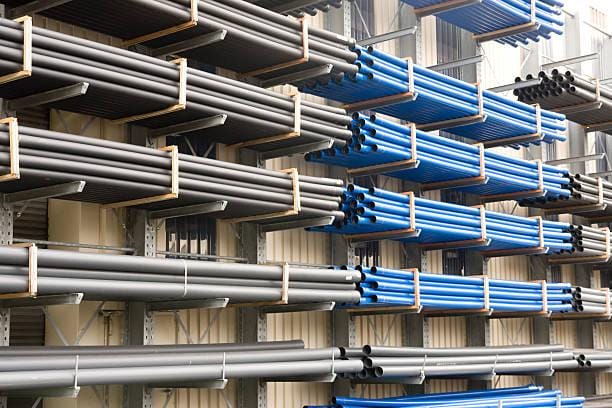
Pipe racking systems play a pivotal role in enhancing industrial efficiency across various sectors, from oil and gas to chemical plants and manufacturing facilities. Proper pipe racking not only ensures the organization and safety of the infrastructure but also improves workflow, maintenance, and space utilization. In this article, we’ll explore the many reasons why pipe racking is essential for maximizing efficiency in industrial environments.
1. Optimizes Space Utilization
In any industrial setting, space is often limited and highly valuable. Pipe racking systems are designed to optimize vertical and horizontal space by organizing pipes in a neat and efficient manner. Instead of allowing pipes to clutter the floor or taking up unnecessary horizontal space, pipe racks arrange the pipes in a way that makes the best use of available space. This allows for more room to store other equipment, materials, or machinery, enhancing the overall layout and functionality of the facility.
For instance, double-tier or overhead pipe racks maximize vertical space, reducing the need for extensive ground area. This organization is especially beneficial in chemical plants or refineries, where efficient use of space is critical for high-volume operations.
2. Reduces Downtime and Improves Workflow
When pipes are organized and secured using a racking system, maintenance teams can quickly identify and access specific pipes for inspection, repair, or replacement. This reduces the time spent searching for the correct pipes, allowing work to continue uninterrupted. Efficient access to pipes also reduces the chances of delays caused by mishandling, confusion, or misplacement of materials.
For example, in industries like oil and gas, where operations are highly time-sensitive, having a clear, organized pipe racking system ensures that workers can quickly perform routine checks or emergency repairs, reducing downtime and keeping the workflow steady.
3. Enhances Safety
Safety is a top priority in any industrial setting. A cluttered environment with pipes scattered across the floor increases the likelihood of accidents, such as tripping hazards or pipe damage. By using a pipe racking system, pipes are securely stored and less likely to be accidentally moved or damaged. This helps mitigate risks, protect workers, and reduce costly accidents.
For instance, offshore oil rigs and power plants often experience harsh environments, where environmental factors like corrosion or extreme weather conditions can pose additional challenges. Proper pipe racking helps to keep pipes secure and aligned, preventing accidents and injuries in these demanding environments.
4. Simplifies Maintenance and Inspection
One of the most significant advantages of pipe racking systems is that they streamline maintenance and inspection processes. When pipes are organized on racks, maintenance crews can easily access and inspect pipes without the hassle of shifting or moving obstacles. Routine checks for leaks, wear, and corrosion become much easier, enabling preventive maintenance that reduces the likelihood of system failures.
Furthermore, by maintaining an organized pipe racking system, facility managers can quickly identify problem areas, allowing them to take action before minor issues turn into costly repairs or system downtimes. This preventive maintenance approach not only extends the life of the pipes but also improves overall operational efficiency.
5. Increases Durability and Longevity of Pipes
Properly mounted pipes on racks are less likely to suffer from damage caused by environmental factors or accidental impacts. For instance, in facilities where pipes are exposed to extreme temperatures or corrosive materials, a pipe racking system can help mitigate these risks by preventing excessive wear and tear. Additionally, racks that offer secure support reduce the strain on pipes, preventing sagging or bending that might lead to cracks or other forms of damage.
In sectors like chemical processing, where pipes are subject to harsh chemicals or temperature fluctuations, the durability provided by an efficient pipe racking system is invaluable. The racks can also be designed with corrosion-resistant materials to ensure the protection of pipes in challenging conditions.
6. Supports Efficient Expansion and Upgrades
As industrial operations grow and expand, so do the requirements for additional piping systems. A well-designed pipe racking system allows for easy integration of new pipes and accessories, supporting future upgrades without disrupting the current infrastructure. Modular pipe racking systems, in particular, are ideal for facilities that anticipate growth, as they can be easily adjusted or expanded as needed.
This flexibility is crucial for businesses that may need to scale their operations in response to increased demand or changing regulatory requirements. With the right pipe racking system in place, the transition to larger or more complex systems can be achieved smoothly, without significant downtime or disruption. Roller tracks are designed to facilitate the smooth movement of goods or materials in warehouses and manufacturing facilities.
7. Ensures Compliance with Industry Standards
In many industries, adherence to safety and quality standards is a legal requirement. Pipe racking systems are designed to meet specific regulations, ensuring that your infrastructure is compliant with the necessary codes and industry guidelines. This is particularly important in industries such as oil and gas, pharmaceuticals, and food processing, where safety and operational integrity are critical.
A compliant pipe racking system not only ensures that your facility meets legal requirements but also guarantees that your operations are conducted with the highest safety and efficiency standards. This can help avoid penalties, enhance your company’s reputation, and ensure the safety of workers.
8. Customization to Meet Specific Needs
One of the key advantages of modern pipe racking systems is their flexibility and customization. Depending on the size of your pipes, the nature of the fluids they carry, and the conditions they will be exposed to, pipe racking systems can be tailored to meet specific needs. Custom-built racks can accommodate various pipe sizes, materials, and configurations, ensuring optimal organization and security.
For example, chemical plants often require racks that can handle a variety of pipe types, including those that carry corrosive or high-pressure fluids. A customized pipe racking system ensures that these unique needs are met, providing tailored solutions for maximum operational efficiency.
Conclusion
Pipe racking systems are integral to enhancing industrial efficiency, improving safety, and supporting long-term maintenance. By optimizing space, improving workflow, and ensuring proper pipe support, these systems play a crucial role in maintaining streamlined operations in various industries. Whether you are designing a new facility or upgrading an existing one, investing in a reliable and well-designed pipe racking system can provide significant benefits for your business.

 English
 Arabic
 Français
 Español
 Deutsch
 Türkçe
 Dutch
Dutch
 Italiano
 Russian
 Romaian